
Ac Or Dc Which Is More Dangerous

Ever found yourself staring at a wall socket, then maybe at a AA battery, and wondering: what’s the difference here? Beyond the obvious shapes and sizes, there’s a fundamental distinction in the electrical juice they provide. We’re talking about the epic showdown between Alternating Current (AC) and Direct Current (DC). It’s a classic rivalry, like Batman vs. Superman, or cats vs. dogs. But today, we’re not just admiring their power; we’re diving into a slightly more electrifying (pun intended!) question: Which one is more dangerous?
Now, before you picture dramatic lightning bolts and mad scientists, let’s keep it chill. We’re not here to fear electricity, but to understand and respect it. Because, let's be real, electricity is pretty cool. It powers everything from our morning coffee to our late-night Netflix binges. So, grab a comfy seat, and let’s zap into this intriguing topic with a healthy dose of curiosity.
Meet the Contenders: AC and DC
First, a quick introduction to our electrical stars. Think of AC as the energetic, constantly changing current. It’s like ocean waves, ebbing and flowing, reversing direction many times a second. This is the electricity that flows from your wall outlets, lighting up your home and charging your laptop. AC is a real team player for the big jobs, able to travel long distances without losing too much oomph.
Must Read
Then we have DC, the steady, reliable current. Imagine a calm, predictable river flowing in one direction. This is what you get from batteries – think your phone, remote control, or flashlight. DC is fantastic for powering all our portable gadgets and anything that needs a consistent, unwavering flow of power.
So, we have the wavy wanderer (AC) and the steady stream (DC). Both incredibly useful, both fundamental to our modern lives. But when it comes to potential hazards, does one really pack a nastier punch?

The Big Question: Who's the Bad Guy?
Our instinct might tell us: higher voltage means more danger, right? And while voltage is definitely a key player, it's not the whole story. When we talk about electrical danger, we also need to consider the current (how much electricity is flowing) and the path it takes through your body. But here's where AC and DC start to show their different personalities when things go wrong.
Why AC Can Feel Like a Punch
Many folks lean towards AC being the more dangerous one, and there's some good reasoning behind it. Our household electricity is AC, and most accidental shocks come from it. Here’s the kicker: AC, particularly at common frequencies like 50 or 60 Hertz (Hz), has a nasty habit of causing muscle contraction. Imagine touching a live AC wire – your muscles might involuntarily clench, making it incredibly difficult to let go. It's like the electricity is forcing you to hold on, giving it more time to do damage. It can essentially throw you across the room or lock you onto the circuit. Not exactly a fun ride, is it?

This muscle tetany is a big deal because sustained contact can disrupt your heart's rhythm, leading to ventricular fibrillation – which is basically your heart doing a confused little dance instead of pumping blood efficiently. Plus, AC is quite effective at heating tissues, leading to internal burns.
Why DC Can Be a Sticky Situation
So, AC throws you around. Does DC just let you off easy? Not so fast! While DC might not cause the same kind of muscle contraction that locks you onto a circuit, it has its own terrifying party trick. DC tends to cause a powerful "sticking" sensation rather than a convulsion that releases you. If you touch a high-voltage DC source, it can hold you in place, leading to prolonged exposure and very severe, deep burns. Think of AC as a quick, violent slap, and DC as a sustained, burning bear hug you can't escape.

Another fascinating (and scary) aspect of DC is its tendency to produce a significant arc flash, especially at higher voltages. When a DC circuit is interrupted, the current can jump across an air gap, creating an incredibly hot, intense plasma arc. This arc can cause severe burns, ignite flammable materials, and even launch molten metal. It’s why you see special precautions and equipment in places like electric vehicle charging stations or large battery banks.
The Verdict: It's Complicated!
So, which is more dangerous? The truth is, it's not a simple answer. Both AC and DC, at sufficient voltage and current, are incredibly dangerous and can be lethal. It really depends on the specific circumstances:
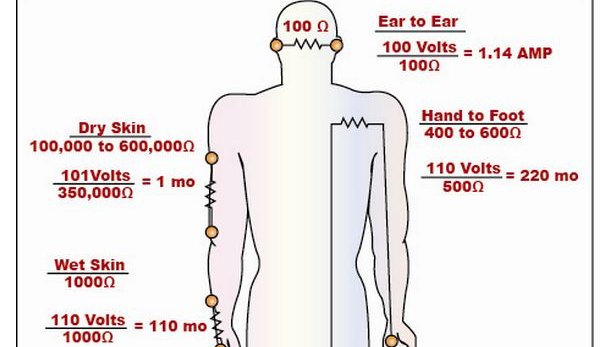
- Voltage and Current: Higher numbers in both always mean higher risk, regardless of AC or DC.
- Frequency (for AC): The 50-60 Hz range is particularly problematic for the human heart.
- Duration of Contact: The longer the electricity flows through you, the worse the outcome.
- Path Through the Body: Electricity passing through vital organs (like your heart or brain) is obviously far more dangerous.
Generally speaking, for a given voltage and current, AC is often considered more dangerous to humans due to its ability to cause muscle tetany and disrupt heart rhythm at common frequencies. However, high-voltage DC can cause more severe, deeper burns and incredibly dangerous arc flashes because of its steady, unrelenting flow and difficulty in extinguishing arcs.
Respect the Power!
Ultimately, this isn't a competition we want either side to win. Both AC and DC are vital to our world, and both demand our respect. Think of it like comparing a fast-moving river to a deep, still lake – both can be incredibly dangerous if you don’t treat them with caution and understanding. The key takeaway here isn't to pick a "most dangerous" winner, but to appreciate the unique ways electricity can harm us and, more importantly, to learn how to stay safe around it.
So, next time you plug in your phone or flip a light switch, take a moment to appreciate the invisible forces at play. They’re pretty amazing, aren’t they? Just remember: always be curious, but always be safe!