
Abnormal Development Or Growth Especially Of Cells Is Known As
Ever wondered what happens when things just… go a little wonky inside our bodies? Imagine a building being built, but some of the bricks are slightly the wrong size or shape. That's kind of what we're talking about here.
The Misfit Cell Party
We’re talking about abnormal development or growth of cells. Think of it as a cell party where some guests show up in the wrong costume, or maybe they brought a karaoke machine to a chess tournament. It's unexpected, to say the least!
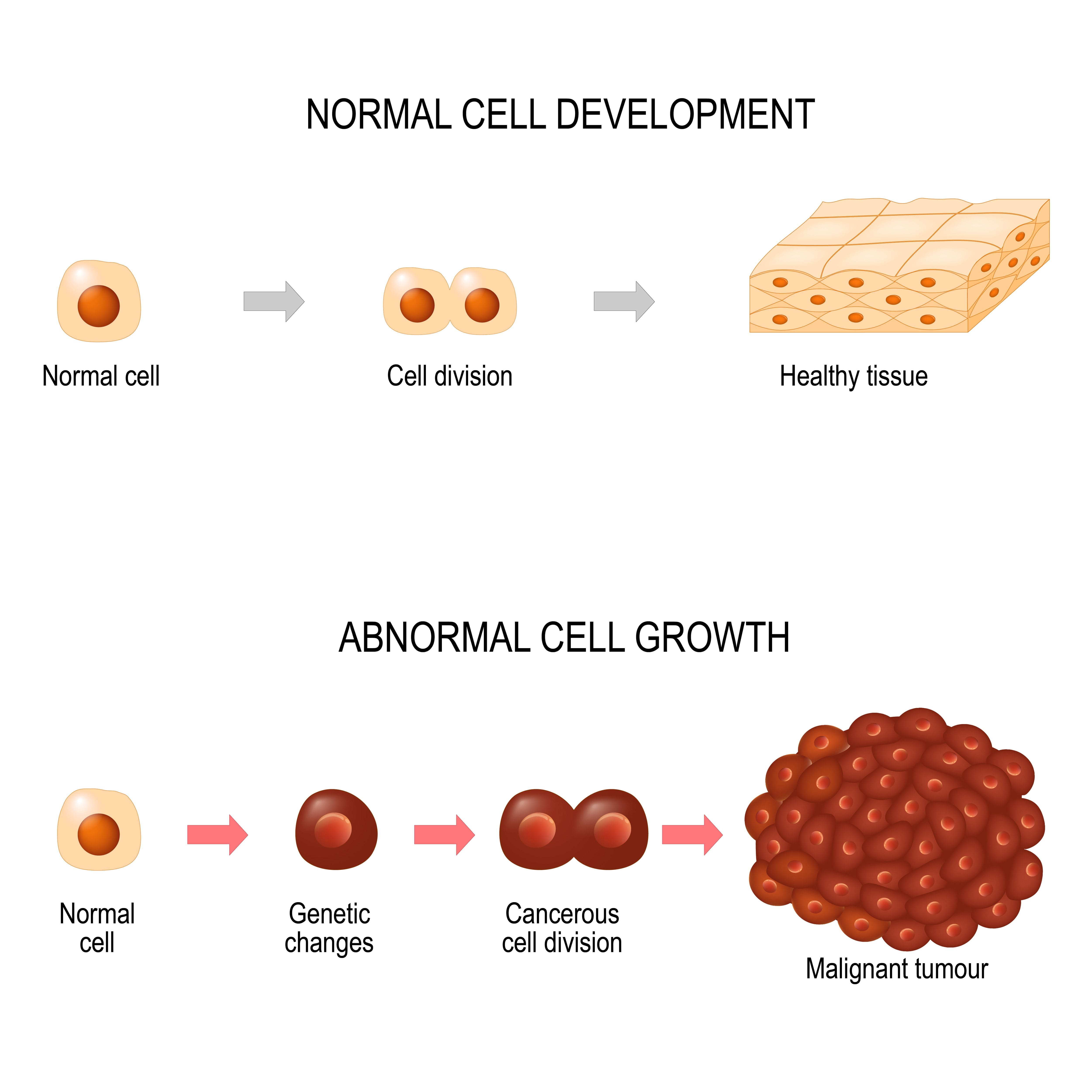
Specifically, that "abnormal development or growth of cells" is known as neoplasia. And what is neoplasia, you ask?
Must Read
Put simply, it’s when cells grow in an uncontrolled and uncoordinated way. Normal cells are like well-behaved choir members, all singing the same tune and stopping when the conductor tells them to. Neoplastic cells are like a rogue kazoo band that bursts into the performance at random intervals!
Benign vs. Malignant: A Tale of Two Parties
Now, not all cell parties are created equal. Some are relatively harmless, like a surprise birthday party that gets a little loud but everyone cleans up afterward. These are called benign neoplasms.
Imagine a tiny little mole. That's often a benign neoplasm. It’s just a collection of cells that decided to hang out together, multiplying a little more than they should. They usually stay put and don't cause too much trouble.
Then there are the parties that get completely out of hand. These are the malignant neoplasms, also known as cancer. This is when the kazoo band decides to smash the instruments and start a mosh pit.
These cells not only grow uncontrollably, but they also have the ability to invade surrounding tissues and spread to other parts of the body. They are the ultimate party crashers!
Why Do Cells Go Rogue?
So, why do these cells decide to abandon their good behavior? There's no single answer, but a lot of it comes down to damaged DNA. Think of DNA as the instruction manual for a cell.

If the instruction manual gets damaged by things like smoking, radiation, or just plain bad luck, the cell might start following the wrong instructions. It might start growing and dividing uncontrollably.
It can be a simple typo in one of the recipes in the cooking book. Result? Chaos.
The Body's Defense System
Thankfully, our bodies have a built-in defense system that tries to catch these rogue cells before they cause too much damage. This system is called the immune system, and it's like a team of highly trained bouncers at the cell party.
The immune system constantly patrols the body, looking for cells that are behaving suspiciously. When it finds one, it tries to eliminate it. It's like the ultimate game of cellular whack-a-mole!
However, sometimes the rogue cells are too clever or too numerous for the immune system to handle. That's when neoplasia can become a serious problem.
Diagnosis: Finding the Party Poopers
Detecting neoplasia often involves a variety of tests, depending on where the rogue cells are located. Imagine playing hide-and-seek with really tiny, mischievous kids. That's kind of what doctors are doing when they're looking for neoplastic cells.

Common tests include biopsies, where a small sample of tissue is removed and examined under a microscope, and imaging techniques like X-rays, CT scans, and MRIs. These techniques allow doctors to see inside the body and look for abnormal growths.
There is also blood tests to look for telltale sings of the presence of cancer. They are like signs the party has just started.
Treatment: Kicking Out the Unwanted Guests
Treatment for neoplasia varies depending on the type and stage of the neoplasm. Common treatments include surgery, radiation therapy, and chemotherapy. Think of these as different ways of kicking the unwanted guests out of the party.
Surgery involves physically removing the neoplasm from the body. It's like hiring a really strong bouncer to throw the party crashers out the door.
Radiation therapy uses high-energy rays to kill or damage the neoplastic cells. It's like blasting the kazoo band with a sonic cannon.
Chemotherapy uses drugs to kill or slow the growth of neoplastic cells. It's like serving the party crashers a potent sleeping potion.
A Word of Hope
While neoplasia can be a scary topic, it's important to remember that there's a lot of research being done to find new and better treatments. Scientists are constantly learning more about how cells grow and divide, and they're developing new ways to target neoplastic cells while leaving healthy cells unharmed.
Plus, many types of neoplasia are highly treatable, especially when detected early. Early detection and prevention are key! Don't skip your regular check-ups.
Early detection, regular check-ups and a healthy lifestyle could be the invitation to a party you want to attend!
Prevention: Keeping the Party Under Control
While we can't always prevent neoplasia, there are things we can do to reduce our risk. This includes avoiding tobacco use, eating a healthy diet, exercising regularly, and protecting ourselves from excessive sun exposure.
These healthy habits are like setting clear rules for the party and making sure everyone follows them. It's all about creating a healthy environment where cells can thrive and behave themselves.
A healthy lifestyle is like being a good host, making sure everyone behaves.
The Bigger Picture
Neoplasia, or abnormal cell growth, is a complex and fascinating phenomenon. It's a reminder that our bodies are constantly working to maintain order and balance, and that sometimes things can go wrong.

But it's also a reminder of the amazing power of the human body to heal and repair itself, and of the dedication of scientists and doctors who are working tirelessly to find new ways to fight this disease.
Understanding what neoplasia is and what causes it is an important step in taking control of our health and well-being.
So, What's the Takeaway?
Remember neoplasia – the fancy word for abnormal cell growth. It's not always bad, but it's always important to be aware of. Just imagine those rogue cells throwing a party without an invitation!
Stay healthy, get checked, and keep those cell parties under control. Your body will thank you for it.
After all, who wants to be invited to a party that's gone completely sideways?
“To keep the body in good health is a duty… otherwise we shall not be able to keep our mind strong and clear.” – Buddha