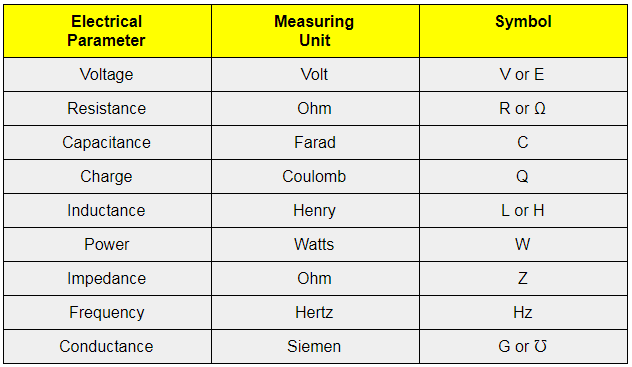
A Volt Is A Unit Of Electric:
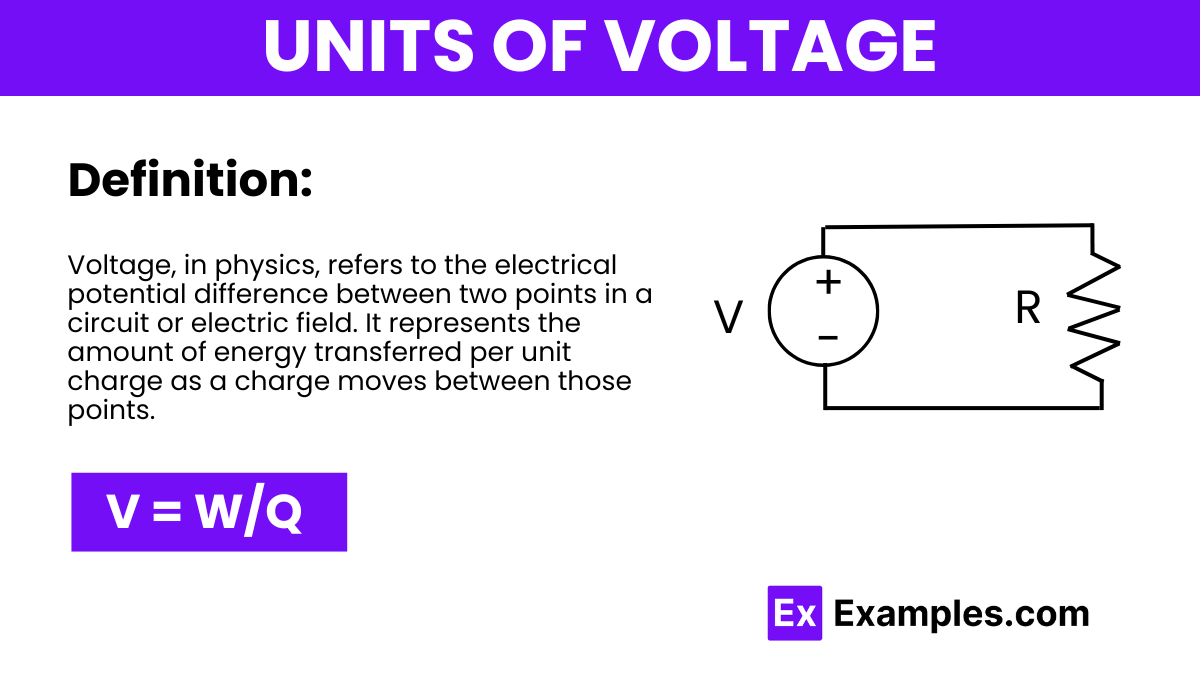
Ever plugged in your phone, seen that little charging icon pop up, and thought, "Alright! We're back in business!"? Or maybe you've tried to turn on a remote, only for it to give you the electronic equivalent of a shrug? Yeah, we've all been there. Most of the time, we just want our gadgets to work, and we don't really dwell on the invisible magic making it happen. But lurking behind all those blinking lights and whirring motors is a little something called the volt.
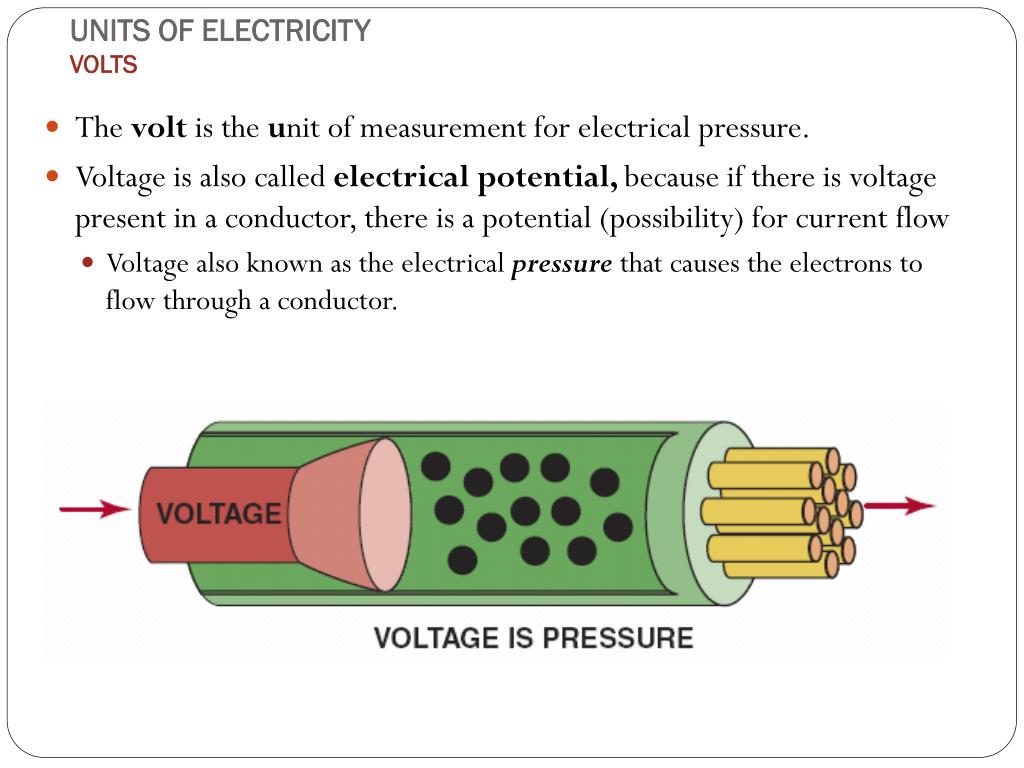
And no, a volt isn't a superhero's secret identity (though it does pack a punch!). Think of it as the oomph. The push. The electrical pressure that gets things moving. If electricity were water, a volt would be how hard the water is being pushed through the pipes. Low volts? It's like a dribbling faucet. High volts? Think firehose! Or, you know, a hydroelectric dam. Let's not get too dramatic just yet.
The Gentle Push: Low Volts
You’ve got your trusty AA battery, right? The one you desperately dig out of the junk drawer when the TV remote dies mid-binge. That little guy is usually around 1.5 volts. It’s enough to get the job done for low-power devices. Your remote, a small toy car, maybe a flashlight. It's like a gentle nudge. "Hey, little electrons, how about you mosey on over here and make this LED light up?"
Must Read
Then you've got your 9-volt battery – the chunky square one, often found powering smoke detectors (and usually screaming for replacement at 3 AM). It's got a bit more gumption. Enough to keep an important safety device vigilant or power some slightly more demanding electronics. Still, it's not going to knock your socks off.
The Everyday Push: Medium Volts
Now, let's talk about the wall outlets in your house. The ones you plug your phone charger into, or your toaster, or that giant gaming rig. In most parts of North America, those are pumping out around 120 volts. In many other countries, it's a zippier 220-240 volts. See? Even our houses have regional accents when it comes to electricity!
This is where things get a bit more serious. You wouldn't want to stick a fork in an outlet, right? (Please, for the love of all that is shiny, don't.) That's because 120 volts is a significant push. It's enough to power practically everything in your home, from your humble coffee maker to your energy-guzzling dishwasher. It's like the steady, reliable flow of water through your kitchen tap – strong enough for daily tasks, but still manageable.
Imagine trying to power your fridge with a bunch of AA batteries. You'd need a whole mountain range of them! That's because the fridge needs a substantial and sustained push of electricity to keep your ice cream frozen. It’s not just about how much electricity, but how hard it’s being delivered.
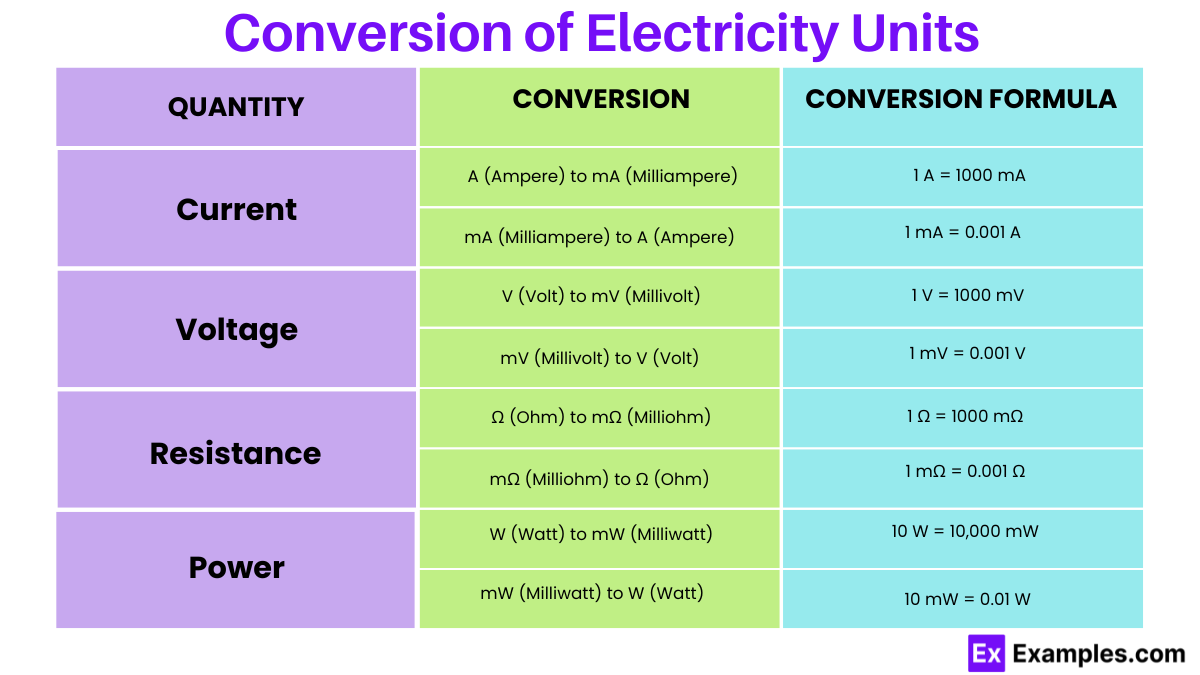
The Big Push: High Volts
And then there's the really big stuff. Those enormous power lines humming away outside, or the electricity that runs major factories. We're talking thousands, even hundreds of thousands of volts. This is the electrical equivalent of Niagara Falls. Or a tsunami. Definitely don't mess with that.
Why so much? Well, for the same reason you use a firehose to put out a blaze, not a squirt gun. When you need to transmit electricity over long distances, or power industrial-sized machinery, you need immense pressure to get the job done efficiently. It's all about delivering the necessary umph without losing too much energy along the way.
So, What's the Takeaway?
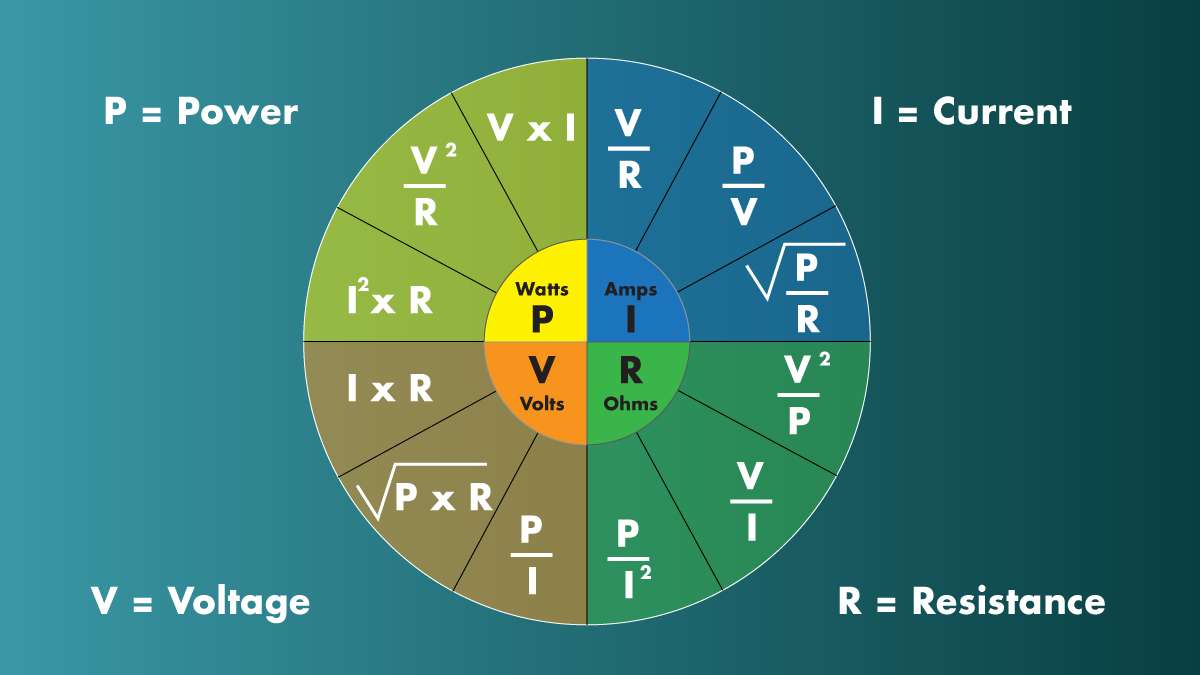
Next time you pick up a battery or plug in a device, give a little nod to the humble volt. It’s the unsung hero, the quiet force determining just how much electrical persuasion is being applied. From the tiny jolt keeping your digital clock ticking to the mighty surge powering entire cities, volts are all about the electric potential – how much energy each electron could deliver if given the chance.
It's not about the sheer quantity of electrons (that's measured in amps, a story for another day!), but rather the enthusiasm with which they're being ushered along. Think of it as the difference between a hundred people gently strolling down a path (low volts) and a single person being shot out of a cannon (high volts, don't try this at home!). Both involve movement, but one has a lot more... well, velocity and impact.
So, there you have it. A volt isn't just a number on a battery; it's the invisible hand giving your electricity the get-up-and-go it needs. Knowing this won't necessarily make your phone charge faster, but it might just give you a tiny, knowing smile next time you plug something in. You're now in on a little secret: it's all about the push!