A Unit Of Energy Typically Used For Metering
Alright, gather 'round, gather 'round! Let's talk energy. No, not the kind you get from that triple-shot espresso you just downed (though that is a topic for another day). I'm talking about the stuff that powers your TV, charges your phone, and keeps your fridge humming. And the unit we use to measure it? Buckle up, because it's the kilowatt-hour. Yes, it sounds like something a supervillain would invent, but trust me, it's far more pedestrian... and useful.
So, what is a kilowatt-hour (kWh)? Well, imagine you've got a device that sucks down 1,000 watts (that's one kilowatt) of power. Think of a particularly enthusiastic hairdryer, or maybe a slightly less enthusiastic microwave oven. Now, imagine you leave that bad boy running for a whole hour. Boom! You've just consumed one kilowatt-hour of energy. Congratulations! You've also probably dried your hair to a crisp or overcooked your popcorn beyond recognition, but hey, knowledge is power!
Why Not Just Use Watts?
Good question! Watts measure power – the rate at which energy is being used at any given moment. Think of it like the speedometer in your car. It tells you how fast you're going right now. A kilowatt-hour, on the other hand, measures energy – the total amount used over a period of time. That's like the odometer in your car, telling you how far you've traveled in total. It's about the accumulated effort, baby!
Must Read
Using only watts would be like trying to figure out how much your electricity bill is by only glancing at the power draw of your appliances for a split second. You need to know how long they were running too! That's where the "hour" part of kilowatt-hour comes in. It’s the time component that makes it all work.
Think of it this way: a hummingbird might have a high “wattage” when it’s flapping its wings like crazy, but it doesn't stay in that state all day. An electric toothbrush has a small wattage, but use it twice a day, every day, and you'll contribute more to your kilowatt-hour consumption than you think. It's the duration that counts!
Kilowatt-Hours in the Real World
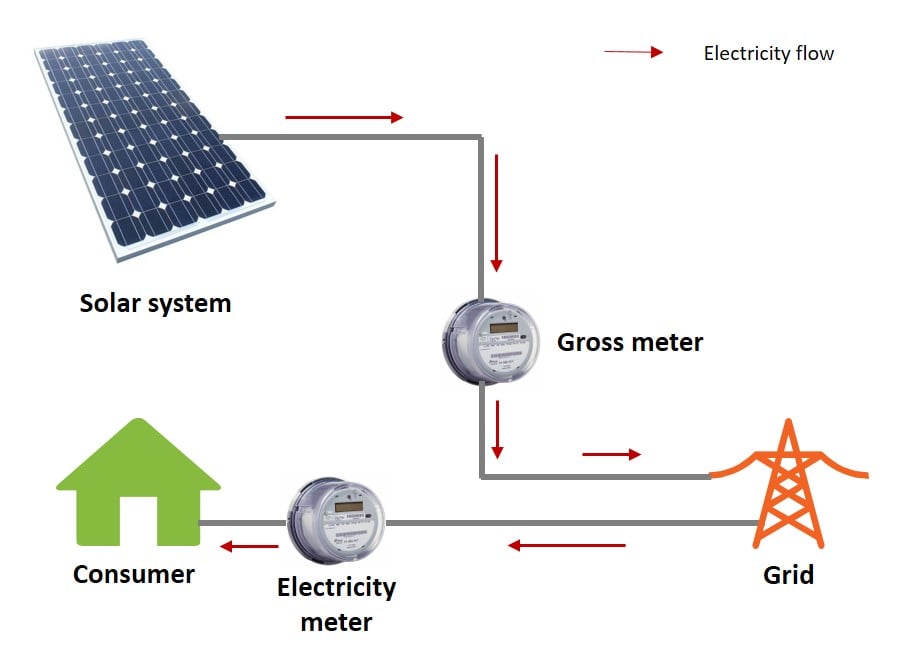
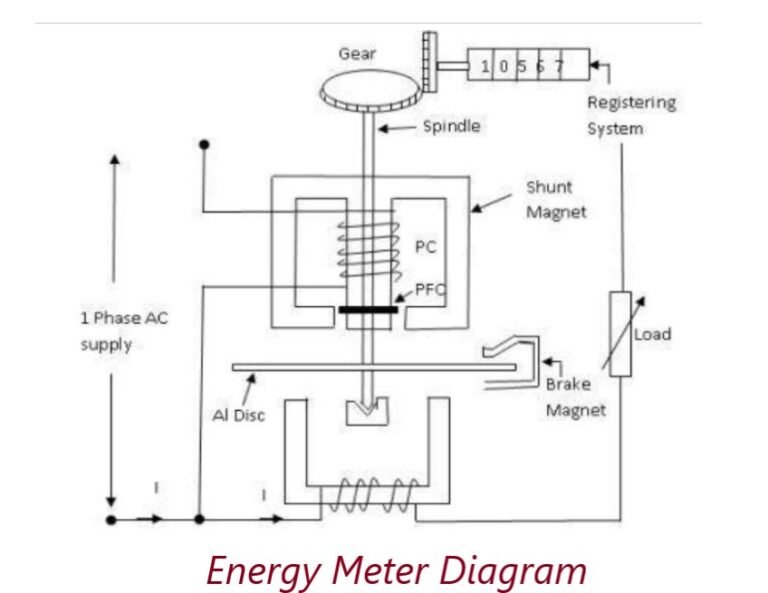
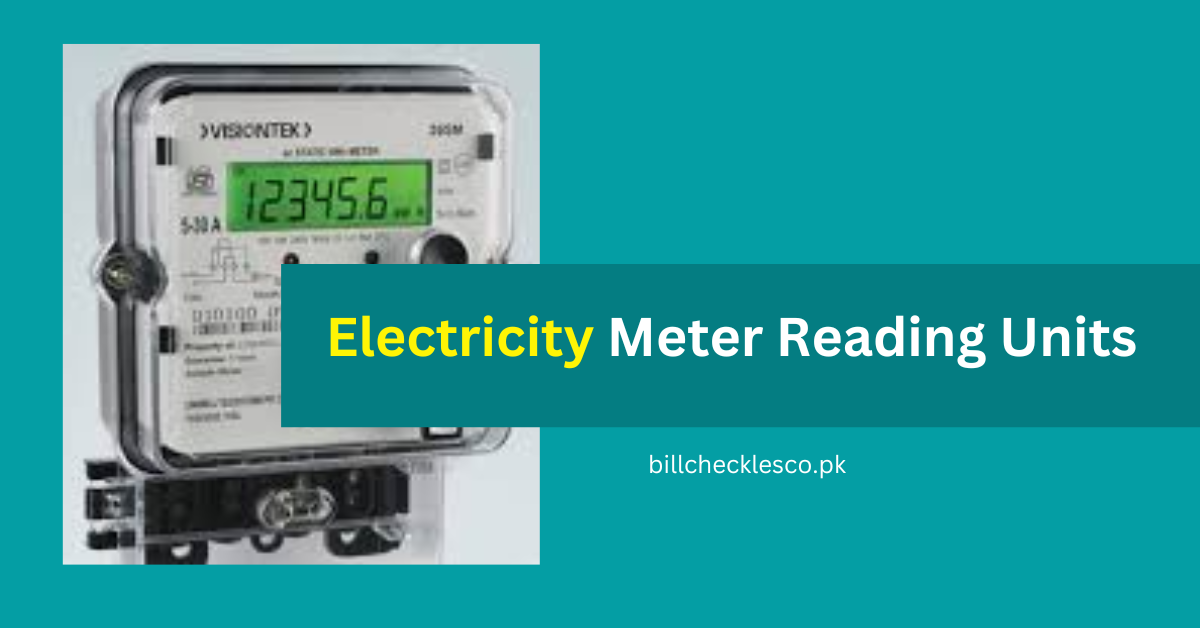
Okay, so now you know what a kilowatt-hour is. But where do you actually see it? Everywhere! Your electricity bill is calculated based on how many kilowatt-hours you've consumed over the billing period. That's why your bill fluctuates depending on whether you're running the AC 24/7 in the summer or using your heated blanket non-stop in the winter. (Confession: I'm guilty of both.)
Appliance manufacturers also often list the energy consumption of their products in kilowatt-hours per year. This helps you compare the energy efficiency of different models. For example, that new super-efficient refrigerator might cost more upfront, but if it uses significantly fewer kilowatt-hours per year, it could save you money in the long run. Just don't expect it to pay for itself in, like, a week. We're talking years here, folks!
Also, next time you are choosing what light bulbs to buy, note the estimated yearly energy cost. The cost is estimated via kilowatt-hours. Choose energy-efficient light bulbs like LED to help lower your energy bill.
Fun Facts (and Mild Exaggerations)
Here's a fun fact: On average, a typical US household consumes around 893 kWh per month. That's enough to power approximately 3,500 cat videos (assuming each video is 10 minutes long and your computer is moderately energy-efficient). I looked it up, don’t judge.
And here's a slightly exaggerated fact: If you could somehow convert all the energy in a single kilowatt-hour into kinetic energy, you could probably launch a hamster into low Earth orbit. Okay, maybe not orbit, but definitely across the room. Please don't try this at home. Hamsters are friends, not projectiles.
Another fun thing to think about is phantom load. Many electronics still draw power even when they are switched off. TVs, computers, and chargers can contribute to your overall kilowatt-hour consumption even when they aren’t being actively used. That’s why it’s better to unplug your devices to reduce your power bill and conserve energy.
In Conclusion (Before My Coffee Runs Out)
So, there you have it! The kilowatt-hour, demystified. It's the unsung hero of energy metering, the humble unit that keeps our lights on and our bills… well, hopefully not too high. Now, go forth and be mindful of your kilowatt-hour consumption! And maybe lay off the hamster-launching experiments. Just a thought.
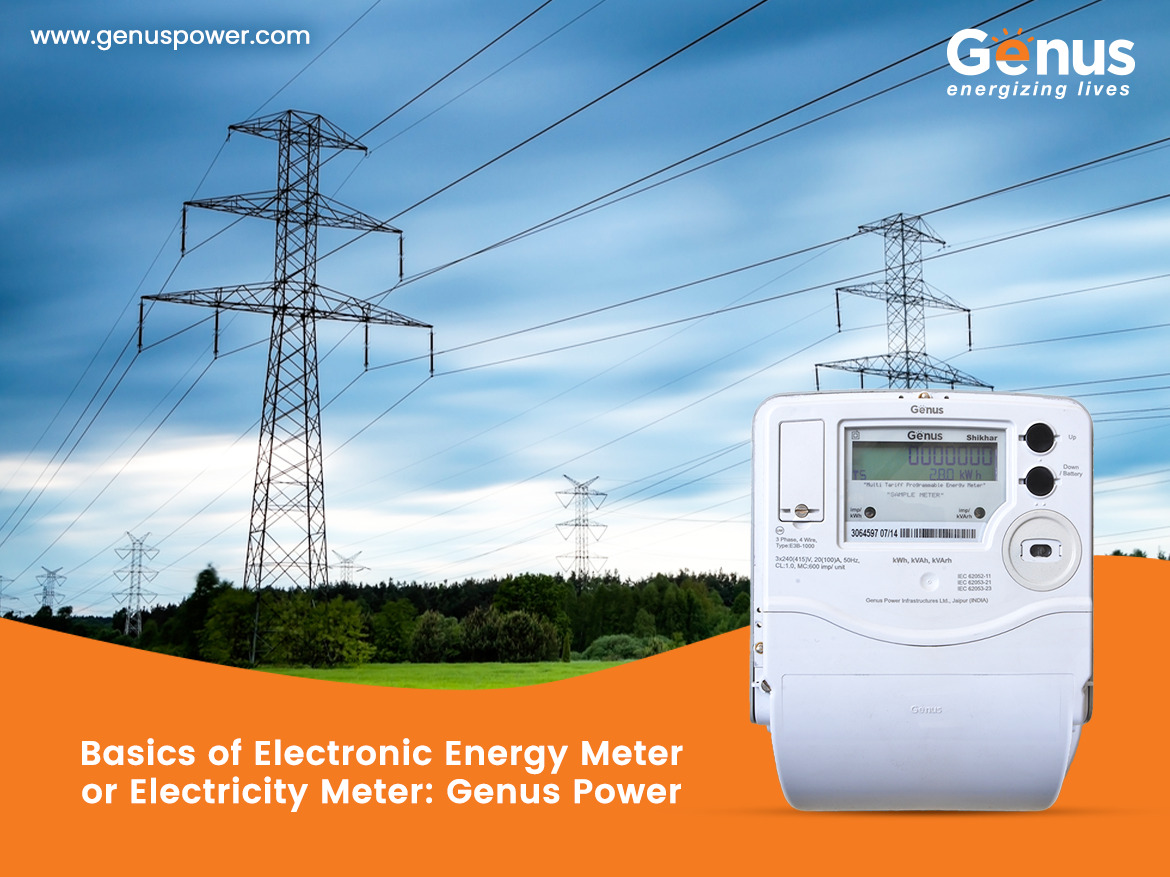
Now if you excuse me, I need to go check my smart meter. I think my sourdough starter has been using excessive energy lately. Those bubbles are getting suspicious.