A Short History Of Financial Euphoria
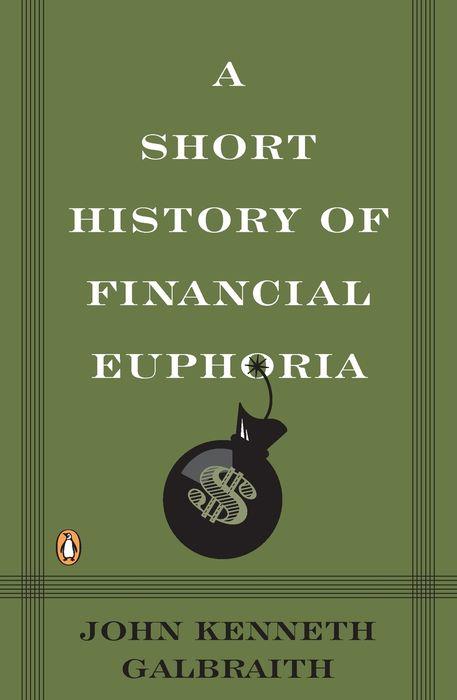
Alright, gather 'round, friends! Let me tell you a story. A story of… financial euphoria. You know, that feeling when everyone's convinced they're gonna be rich, the economy can only go up, and investing in tulip bulbs suddenly seems like a brilliant idea? Yeah, that feeling. It's happened more times than you can shake a stick at, and frankly, it's usually pretty hilarious (in hindsight, of course, unless you're the one holding the tulip bulb when the bubble bursts).
So, where does this rollercoaster of delusion begin? Well, buckle up, because we're going way back... to the Dutch Tulip Mania of the 1630s. Picture this: Holland, known for windmills and wooden shoes, suddenly loses its collective mind over…flowers. Not just any flowers, mind you, but tulips. Especially the ones with weird, striped patterns caused by a virus. Why? Because scarcity, my friends, scarcity! These rare tulips became status symbols, like owning a Lamborghini made of gold today.
People started trading houses, land, and their grandma's prized porcelain collection for a single bulb. Seriously! One particularly coveted bulb, the "Viceroy," apparently traded for "two lasts of wheat, four lasts of rye, four fat oxen, eight fat swine, twelve fat sheep, two hogsheads of wine, four barrels of beer, two tons of butter, one thousand pounds of cheese, a complete bed, a suit of clothes and a silver beaker." That's like trading your entire life savings for… well, a really pretty onion, basically.
Must Read
You can see where this is going, right? Eventually, someone woke up and realized that a flower, however beautiful, is still just a flower. The market crashed harder than a clumsy waiter carrying a tower of champagne glasses. People were ruined, fortunes were lost, and the Dutch probably felt like they’d collectively inhaled too much… Dutch courage. The moral of the story? Don't mortgage your house for a flower, no matter how fabulous it is.
Fast forward a few centuries, and humanity, bless its optimistic heart, hadn’t learned a darn thing. Enter the South Sea Bubble of 1720. The South Sea Company, a British enterprise supposedly involved in trading with South America (spoiler alert: they weren't really), promised investors untold riches. They spun a yarn so convincing that even Sir Isaac Newton, you know, the gravity guy, jumped on board. He supposedly said, "I can calculate the motions of heavenly bodies, but not the madness of people." Ouch.

Shares soared! Everyone was buying, driven by pure, unadulterated FOMO (Fear Of Missing Out). The problem? The company's business plan was about as solid as a chocolate teapot. When the truth came out (and it always does, eventually), the bubble burst. Newton lost a fortune. He reportedly forbade anyone from ever mentioning the South Sea Company in his presence ever again. I guess even geniuses are susceptible to a little financial frenzy. Key lesson here: Don't believe everything you read in a prospectus, especially if it sounds too good to be true.
Now, let's jump to the roaring twenties! The 1920s stock market boom. Jazz, flappers, and seemingly endless prosperity! Everyone was getting into the stock market, even if they didn't know a stock from a sock. Credit was easy, speculation was rampant, and the general attitude was "Party on, Garth!". Of course, we all know how this movie ends. The Great Depression. Oops. The 1929 crash wasn't just a little hiccup; it was a full-blown economic heart attack. Important Takeaway: Don’t finance your stock market investments on credit. Leverage can be a cruel mistress.
And let's not forget the more recent ones! Remember the dot-com bubble of the late 1990s? Suddenly, any company with ".com" in its name was worth billions, even if their business model was, "We sell pet socks online!" Investors threw money at anything that blinked on a screen. Pets.com? Remember that sock puppet? Yeah, they went bankrupt faster than you can say "IPO." Another nugget of wisdom: Just because it's online doesn't mean it's a good investment.
Then there was the housing bubble of the mid-2000s. Everyone was buying houses they couldn't afford, banks were handing out mortgages like candy, and the whole system was built on a foundation of…well, sand. When interest rates rose and people couldn't pay their mortgages, the whole thing came crashing down, leading to the 2008 financial crisis. Final Thought: If something seems too easy, it probably is. And never, ever, trust a mortgage broker who promises you the moon and stars with zero down.
So, what's the takeaway from all this history? Financial euphoria is a recurring phenomenon. It’s fueled by greed, optimism, and the herd mentality. It's often followed by a painful hangover. Learn from the mistakes of the past, be skeptical of hype, and remember that sometimes, the best investment is a good night's sleep and a healthy dose of common sense. And maybe, just maybe, stay away from investing in tulip bulbs.