
A Reaction Used To Build A Polymer Is Called
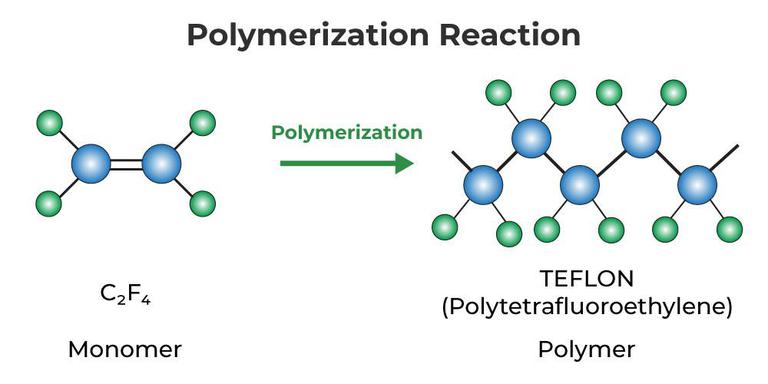
Ever wonder how that bouncy ball, your favorite cozy sweater, or even the plastic bottle of juice gets made? It all boils down to tiny building blocks linking together in a process that’s surprisingly like… well, like a massive, microscopic chain dance!
The Big "Polymerization" Party
The reaction used to build a polymer is called polymerization. It’s a mouthful, I know! Think of it as a bunch of excited Lego bricks (called monomers) finding their partners and snapping together to form a huge, impressive castle (the polymer).
The term polymerization can sound scary, like something straight out of a sci-fi movie. But trust me, it’s all around you, making the world a more colorful, comfy, and convenient place.
Must Read
Monomers: The Little Legos of Life
What exactly are these “monomers” we keep mentioning? Monomers are small molecules which links up together to form larger molecules or polymers.
Imagine a single bead. That’s a monomer. Now string a bunch of those beads together to make a necklace. That necklace is your polymer! Different beads (different monomers) make different kinds of necklaces (different polymers).
So, a single glucose (sugar) molecule is a monomer. Join a bunch of those together, and boom! You’ve got starch, a polymer that gives potatoes their satisfying heft.
Two Main Dances: Addition and Condensation
Now, the polymerization party isn’t just one kind of dance. There are a few different styles, the most popular being addition polymerization and condensation polymerization.

Addition polymerization is like everyone grabbing hands to form a long line – simple and direct. No one’s losing anything in the process. Think of making polyethylene, the plastic in shopping bags.
Condensation polymerization, on the other hand, is a bit more complicated. It’s like a square dance where couples join together, but a little water molecule gets kicked out as they do. This is how nylon, used in clothing, is made.
"Polymerization: It’s not just a chemical reaction, it's a crafting party on a molecular scale!"
Nature's Polymerization Prowess
Polymerization isn’t just something scientists do in labs. Nature's been doing it for billions of years! DNA and proteins, the very building blocks of life, are polymers made from smaller monomers.
Think about the silk spun by a spider. That's a protein polymer, incredibly strong and flexible. It shows just how amazing natural polymerization can be.
Even cellulose, which makes up the walls of plant cells (and therefore most paper and wood), is a polymer of glucose. Pretty wild, huh?
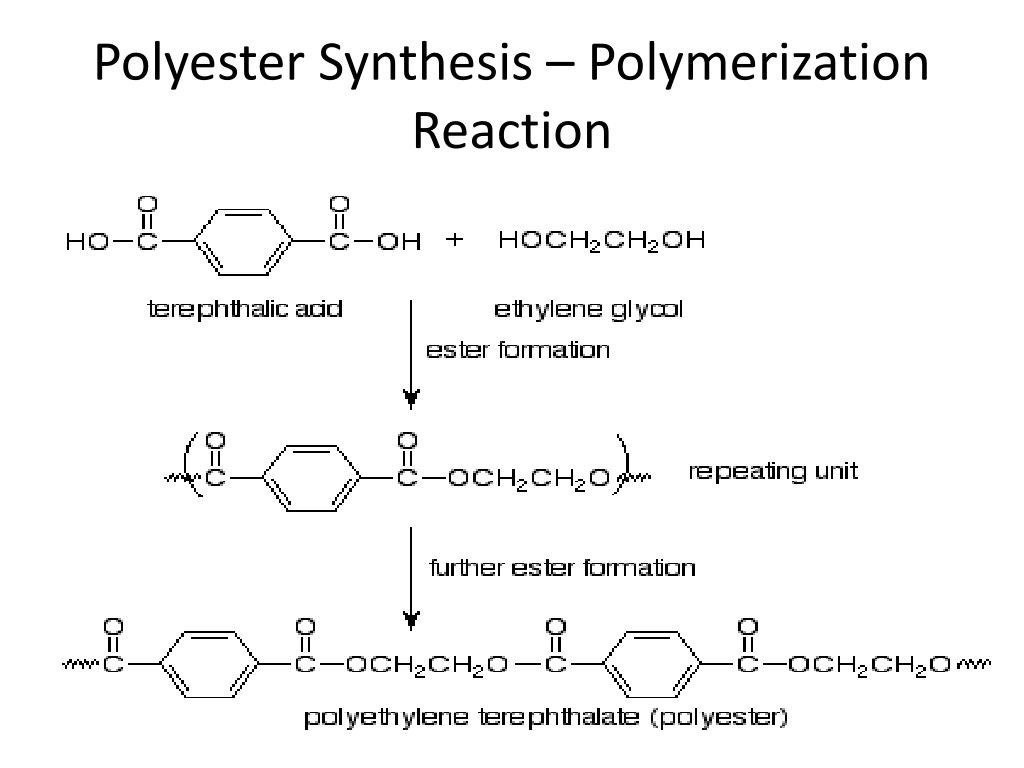
The Accidental Discovery of Plastic: A Happy Little Polymerization Accident
One of the most well-known stories of polymerization is the accidental discovery of plastic by Leo Baekeland. He was trying to find a substitute for shellac.
Instead, he stumbled upon a way to create the first truly synthetic plastic, Bakelite. It was heat-resistant and non-conductive and quickly revolutionized everything from telephones to jewelry.
It all started with a happy accident involving the wonders of polymerization! It's a testament to the power of curiosity and experimentation.
From Sticky Situations to Super Solutions
Sometimes, polymerization can be a bit… sticky. Imagine trying to clean up spilled resin or dried paint. That’s polymerization in action, turning a liquid into a solid.
However, this "stickiness" can also be incredibly useful. Think of adhesives, glues, and even some types of sealants. They all rely on polymerization to create strong, lasting bonds.

The same process that makes cleaning up a spill a little tougher also holds our world together, literally!
Polymerization: It's All About Relationships
In essence, polymerization is all about relationships. It's about small molecules finding each other, connecting, and forming something bigger and more complex.
Just like people coming together to build a community, monomers join forces to create the materials that shape our lives. It's a beautiful analogy, don't you think?
So, the next time you use a plastic fork or wear a fleece jacket, remember the amazing process of polymerization that made it all possible. Appreciate all the polymers in your life!
The Future of Polymerization: Green and Sustainable
The future of polymerization is focused on sustainability. Scientists are working on creating polymers from renewable resources like plants and algae, creating bioplastics.

They are also developing new ways to recycle existing polymers, reducing waste and minimizing our impact on the environment.
The future of polymerization looks bright, promising a world where materials are both useful and eco-friendly.
A Final Thought: Polymerization is Everywhere!
From the DNA in your cells to the tires on your car, polymerization plays a crucial role in our world. It's a fundamental process that shapes everything around us.
So, the next time you encounter something made of plastic, rubber, or even natural fibers, take a moment to appreciate the incredible power of polymerization.
This remarkable reaction is the silent architect of much of the world we see and use every day!