
A Modulator/demodulator Is Better Known As A What

Ever heard of a modulator/demodulator? Sounds super techy, right? Don't worry, we're about to make it fun.
The Secret Identity Revealed!
A modulator/demodulator is better known as a modem! Yes, that modem. The one you might associate with dial-up internet from decades ago!
But don't let those nostalgic (or maybe traumatic!) dial-up sounds fool you. Modems are still around. And they are way more sophisticated than you think.
Must Read
More Than Just Connecting to the Internet
You might be thinking, "Wait, I thought my Wi-Fi router did all the internet stuff?" Well, it does part of it. But the modem is like the unsung hero, working behind the scenes.
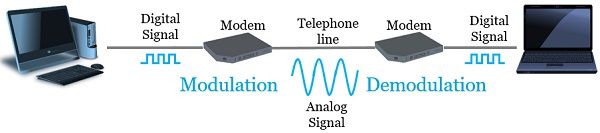
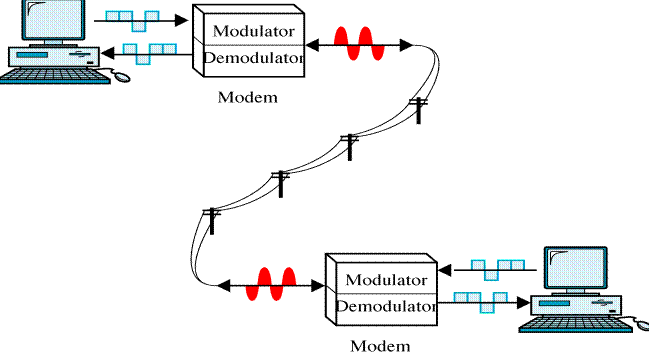
It's the translator. It converts signals so your digital devices can communicate over various networks.
Think of it as the international diplomat of the internet. It speaks both computer language and phone line language (or cable language, or fiber optic language!).
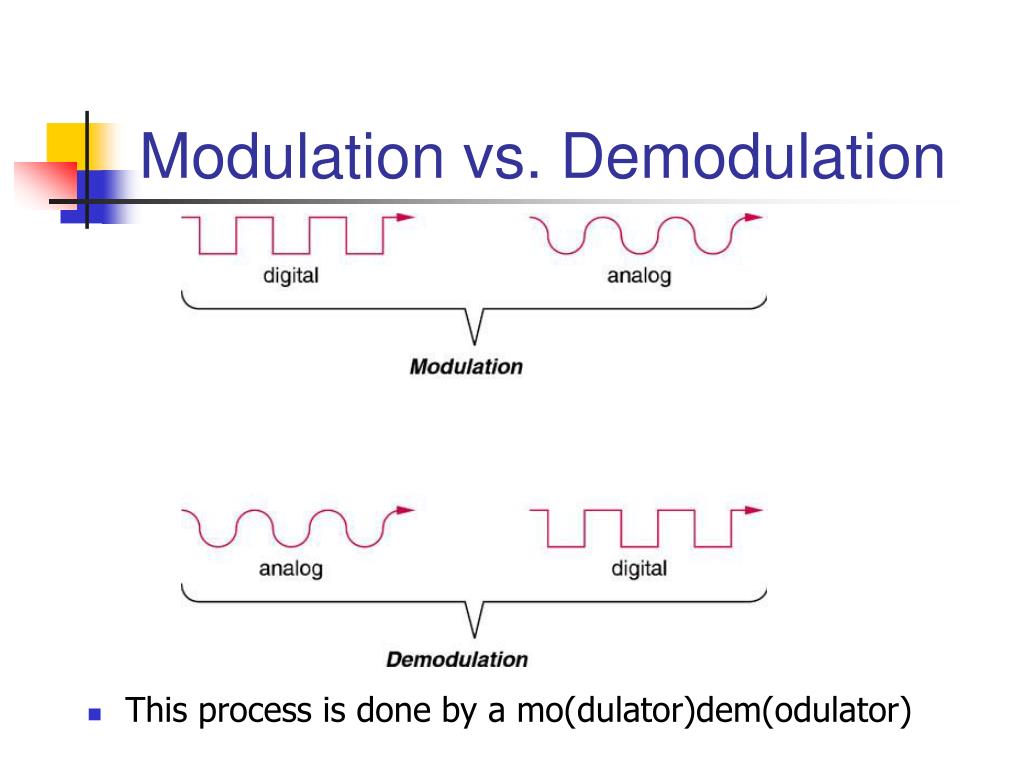
Modulation: Speaking the Network's Language
So, what does a modem actually do? Let's break it down. First, there's modulation.
Imagine you're trying to send a message across a noisy room. You wouldn't just whisper it, right? You'd probably shout or use hand signals.
Modulation is similar. It takes the digital data from your computer (the whisper) and encodes it onto a carrier signal (the shout) that can travel long distances.
Demodulation: Understanding the Message
On the other end, the modem needs to understand the message. That's where demodulation comes in.
It's like having someone in the noisy room who knows how to interpret your shouting. They decode the carrier signal and turn it back into the original digital data.
Voila! Your message gets delivered loud and clear!
Why Is This So Cool?
Think about it! This little box is performing a complex translation in real time. It’s the master of disguise and conversion.
Without it, your computer wouldn't be able to talk to the internet. Or your phone wouldn't be able to make calls (on older phone systems, anyway).
It's the reason you can stream your favorite shows, video chat with friends, and browse cat pictures to your heart's content.
Different Types of Modems: A World of Possibilities
Not all modems are created equal. There are different types designed for different types of networks.
There are dial-up modems (the old-school kind). There are cable modems (for cable internet). And there are DSL modems (for phone line-based internet). Plus fiber modems for super speedy fiber connections.
Each one uses a different method to modulate and demodulate the signal. It's like a whole secret language family!
Dial-Up Modems: A Blast From The Past
Ah, the dial-up modem. Remember that screeching sound? That was the modem doing its thing, negotiating with the phone line.
It was slow. Painfully slow. But it was also magical. It connected you to a whole new world of information and possibilities.
These modems are mostly relics of the past now, replaced by faster technologies, but they hold a special place in internet history.
Cable Modems: Riding the Cable Wave
Cable modems use the same cables that deliver your TV signal to bring you internet. They are much faster than dial-up.
They can handle more data at once, making it possible to stream videos and download files without waiting forever.
These modems are a common sight in many homes. They offer a reliable and relatively fast internet connection.
DSL Modems: Phone Lines Get an Upgrade
DSL modems use your existing phone lines, but they transmit data at a much higher frequency than voice calls. This allows for faster internet speeds.
They don't interfere with your phone service, so you can talk on the phone and browse the internet at the same time. Revolutionary!
While not as fast as cable or fiber, DSL modems provide a solid internet connection, especially in areas where other options are limited.
Fiber Modems: The Speed Demons
Fiber optic internet is the fastest option available. Fiber modems are built to handle this speed. These modems are part of the ONT (Optical Network Terminal) that converts the light signals to electrical signals.
They use pulses of light to transmit data, which is incredibly fast and efficient. This also allows for more bandwidth.
With a fiber modem, you can download huge files, stream 4K videos, and play online games without any lag.
The Modem's Future: Still Evolving
Even with the rise of wireless technology, the modem remains a crucial part of our digital infrastructure.
As internet speeds continue to increase and new technologies emerge, modems will continue to evolve. They need to adapt to new communication methods and bandwidth demands.
Who knows what the modems of the future will look like? One thing is for sure: they'll still be working hard behind the scenes to keep us connected.
So, Why Should You Care?
Next time you're online, take a moment to appreciate the humble modem. It connects you to the world.
It's a testament to human ingenuity and our desire to communicate with each other. Now you know better that the modem is far more interesting than you thought.
Plus, now you have a fun fact to share at your next party! Impress your friends with your newfound knowledge of modulation and demodulation. They will be amazed!
So, go forth and explore the internet, armed with your understanding of the modem. You might just see the digital world in a whole new light.
"The modem: a tiny box with a huge impact on our lives."