A Mixture Of Elements That Has Metallic Properties

Ever wondered what makes your phone so sleek or your car so… car-like? It’s probably not just one single element doing all the heavy lifting. More often than not, it’s a carefully crafted cocktail of elements – a mixture, if you will – exhibiting those oh-so-desirable metallic properties. We're diving into the fascinating world of these blended materials, exploring what they are, why they matter, and how they impact our daily lives.
What are these Metallic Mixtures Anyway?
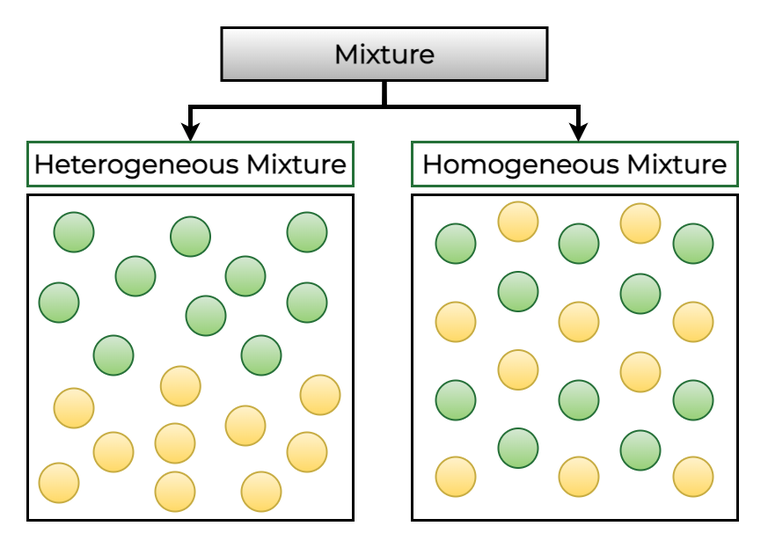
Forget your high school chemistry nightmares for a second! These aren't complicated reactions bubbling in beakers. Think of it more like a sophisticated recipe. We're talking about alloys – mixtures of metals, or metals combined with other elements, specifically designed to achieve particular characteristics. Imagine a chef blending spices; the individual ingredients contribute to a final flavor profile far superior to any one spice alone. That’s essentially what happens when we create an alloy. Copper plus tin makes bronze – a metal far stronger and more corrosion-resistant than either of its constituents alone.
Why do we bother? Well, pure metals often have limitations. They might be too soft, too brittle, or too susceptible to rust. Alloying addresses these weaknesses, enhancing properties like strength, hardness, corrosion resistance, and even electrical conductivity. It’s about optimizing performance for a specific application.
Must Read
The All-Stars of Alloys
Let's meet some of the key players in the alloy game:
- Steel: The undisputed champion. Iron plus carbon equals steel, a material that's stronger and tougher than iron alone. Add chromium and nickel, and you get stainless steel – the superhero of corrosion resistance, gracing our kitchens, surgical instruments, and even skyscrapers.
- Brass: A golden oldie. Copper plus zinc creates brass, a versatile alloy prized for its malleability, acoustic properties (think trumpets!), and that classic, warm hue. It's used in everything from plumbing fixtures to decorative hardware.
- Aluminum Alloys: Lightweight and strong. Aluminum is already a winner, but when combined with elements like magnesium, silicon, and copper, it becomes even more impressive. These alloys are crucial in aerospace engineering, automotive manufacturing, and the packaging industry.
These are just a few examples, but the possibilities are virtually endless. Scientists and engineers are constantly experimenting with new alloy combinations, pushing the boundaries of material science.

Beyond the Practical: A Touch of Culture
The use of alloys isn't just about functionality; it's also deeply intertwined with human history and culture. Think about the Bronze Age, a period characterized by the widespread use of bronze tools and weapons, transforming societies and shaping civilizations. Or consider the intricate craftsmanship of Damascus steel blades, renowned for their strength, sharpness, and distinctive patterns, a testament to the ingenuity of ancient metallurgists.
Today, alloys continue to inspire artists and designers. The sleek, brushed aluminum of a modern laptop, the shimmering bronze of a contemporary sculpture – these materials add a touch of sophistication and artistry to our everyday lives.
/GettyImages-594836477-58fe53963df78ca159068b1a.jpg)
Practical Tips & Fun Facts
- Spotting an Alloy: Look for markings or stamps indicating the type of alloy. For example, "18/10 stainless steel" means the steel contains 18% chromium and 10% nickel.
- Recycling Matters: Many alloys can be recycled, reducing the need for new raw materials and conserving energy. Do your part by properly disposing of your old appliances and electronics.
- Fun Fact: The world's tallest building, the Burj Khalifa, relies heavily on high-strength steel alloys to withstand extreme winds and temperatures.
A Material World
Take a moment to look around. From the frame of your glasses to the cutlery on your table, alloys are everywhere. They are the unsung heroes of modern life, providing the strength, durability, and versatility that make our world possible. They are a testament to human ingenuity, our ability to combine and transform materials to meet our ever-evolving needs.
And just like a well-blended alloy, life is often best when we combine different elements – experiences, relationships, perspectives – to create something stronger, more resilient, and ultimately, more beautiful. So next time you encounter an alloy, remember that it's not just a mixture of metals; it's a symbol of collaboration, innovation, and the power of combining different strengths to achieve something greater than the sum of its parts. Embrace the blend!