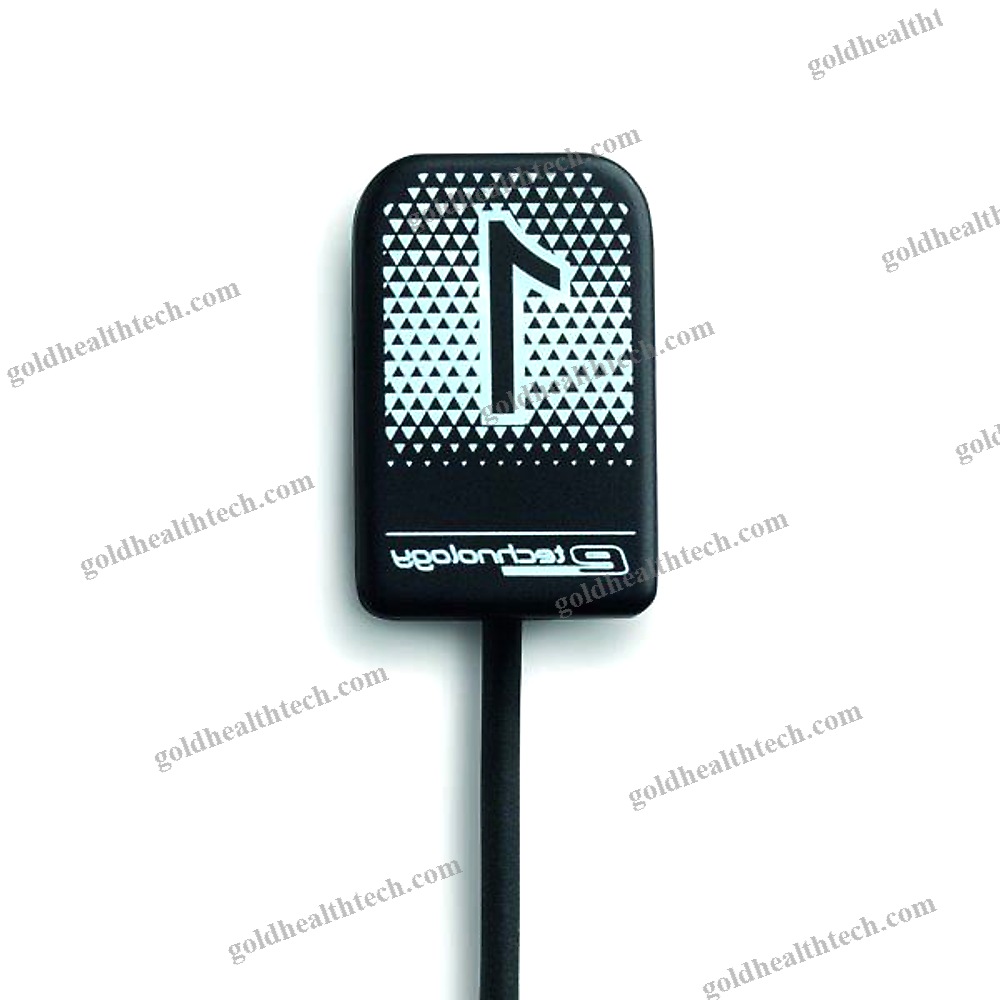
A Detector That Is Used To Capture The Dental Image
6415_g.jpg)
Ever wondered what that thingamajig the dentist shoves in your mouth to take pictures of your teeth really is? You know, the one that feels like a cold, hard thumb pressing against your gums? Well, buckle up, buttercup, because we're diving into the wild world of dental image detectors!
Think of it like this: your mouth is a dark, mysterious cave, and your teeth are the stalactites and stalagmites. The dentist needs a good map to navigate this cave, find any hidden treasures (or, more likely, cavities!), and that's where the detector comes in. It’s basically a high-tech camera designed specifically to capture the shadowy landscape inside your pearly whites.
From Film to Digital: A Dental Detector Evolution
Remember those old-school x-rays that dentists used to hold up to a light box? Those were the dinosaurs of dental imaging! They involved film, developing chemicals, and waiting…a lot of waiting. It was like developing pictures from a disposable camera after a family vacation - exciting but slightly tedious!
Must Read
Nowadays, most dentists have gone digital. Think of it as upgrading from a flip phone to a smartphone. Instead of film, they use digital sensors. These sensors are like tiny, super-sensitive microphones for X-rays. When the X-rays hit the sensor, it translates that energy into a digital image that pops up instantly on the computer screen. Poof! Instant tooth-pic gratification.
It's faster, easier, and much less wasteful. No more darkroom chemicals polluting the planet! Plus, the dentist can zoom in, adjust the contrast, and generally give your teeth a Hollywood-style makeover (on the screen, anyway).
Types of Detectors: The Sensor Squad
Now, not all detectors are created equal. There are a few different types lurking in the dentist's arsenal. Let’s meet the sensor squad:
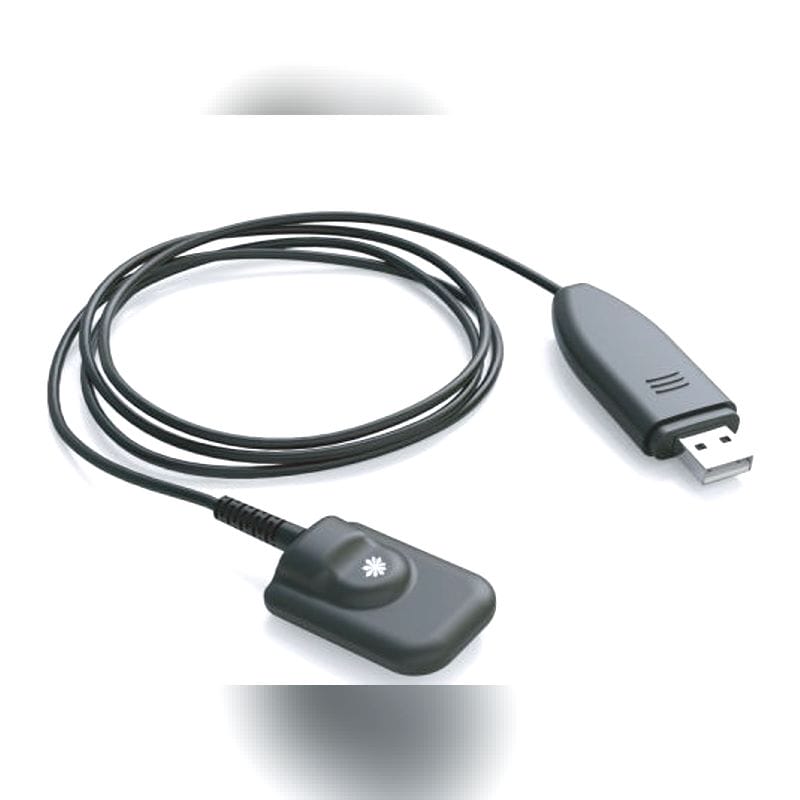
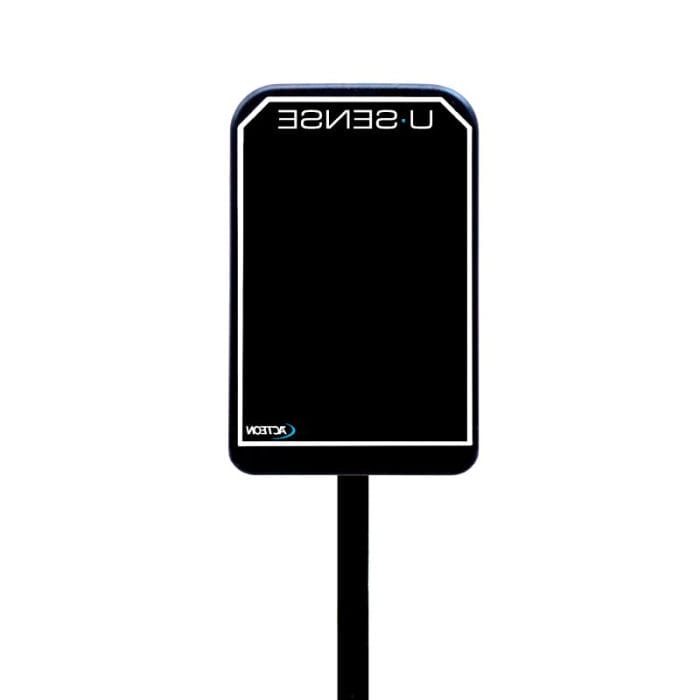
- Intraoral Sensors: These are the most common types. They're the ones that go inside your mouth (intra = inside, get it?). They come in different shapes and sizes, so the dentist can choose the right one for the tooth they're trying to photograph. These sensors are usually wired directly to the computer, like a little digital leash.
Picture this: you're trying to take a selfie in a crowded concert, awkwardly holding your phone at arm's length. That's kind of what it's like for the dentist trying to position an intraoral sensor inside your mouth, especially when you have a tiny mouth like mine!
- Extraoral Detectors: These are used for panoramic x-rays, which give a wide view of your entire jaw. Think of it as taking a landscape photo of your teeth instead of a close-up. The detector lives outside your mouth (extra = outside), usually on a big, fancy machine that rotates around your head. It's like being in a science fiction movie, except instead of getting beamed up to a spaceship, you're just getting your teeth scanned.
Why all the Fuss about Dental Images?
Okay, so why are these dental pictures so important anyway? It's not just about dentists satisfying their inner paparazzi. These images help them spot all sorts of dental issues that they can't see with the naked eye. We’re talking cavities hiding between teeth, infections lurking beneath the gums, and even problems with your jawbone. Essentially, it's like having a superpower that lets them see through teeth!
Think of it like checking the oil in your car. You can't tell if you're running low just by looking at the engine, right? You need to dipstick! Dental images are the dipstick for your teeth, letting the dentist see what's going on under the surface.
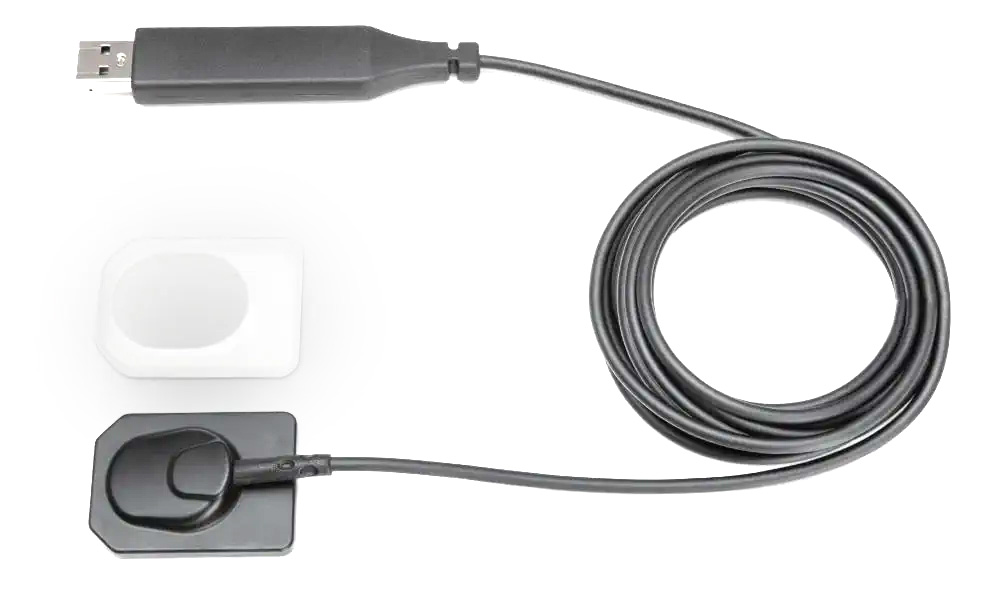
So, the next time the dentist shoves that weird little gadget in your mouth, remember it's not just some torture device. It's a sophisticated piece of technology that’s helping them keep your smile healthy and bright. And who knows, maybe someday they'll have sensors that take pictures of your teeth in 3D. Then you can really show off your pearly whites on Instagram!
Now, go brush your teeth! You've earned it.