4 Types Of Non Renewable Energy
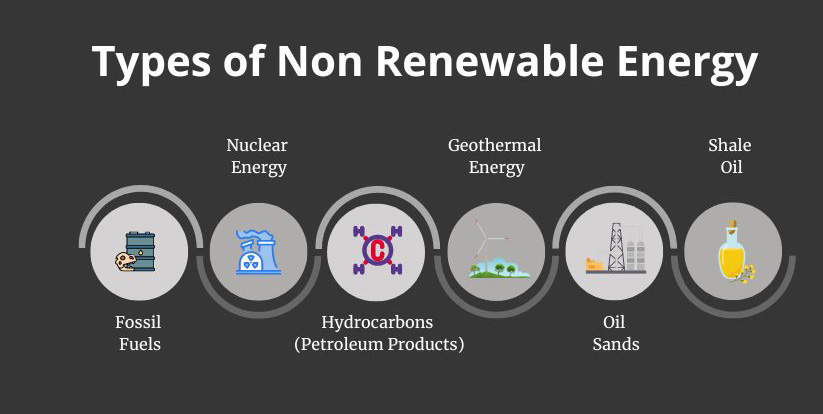
Ever wonder what actually keeps our lights on, warms our homes, and powers the car that takes us on adventures? It's a pretty fascinating topic, and delving into the world of energy sources isn't just for scientists; it's for anyone curious about how our modern world hums along! Today, let's peek into the incredible, yet finite, realm of non-renewable energy – the powerhouse behind much of our daily existence. Understanding where our energy comes from is like knowing the ingredients in your favorite meal; it gives you a deeper appreciation and a clearer picture of the bigger story.
At its heart, non-renewable energy refers to resources that are consumed much faster than nature can replenish them. Their primary purpose is to provide the vast amounts of energy needed for electricity generation, transportation, heating, and industrial processes. The benefits they've historically offered are immense: high energy density, relative abundance (until recently), and established infrastructure that allowed societies to industrialize and develop rapidly. These energy sources literally fueled the industrial revolution and continue to power much of our global economy, lifting countless people out of poverty and enabling technological marvels.
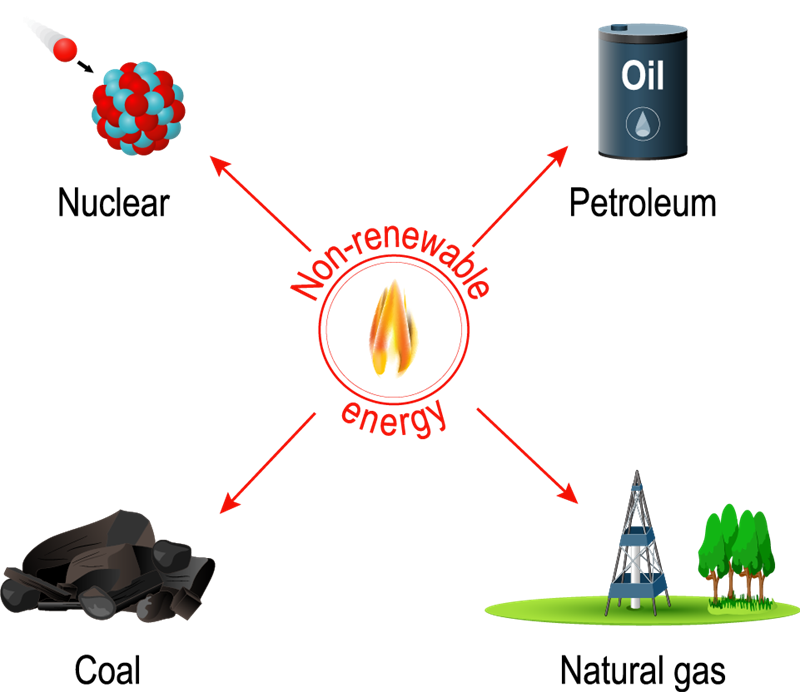
Let's take a closer look at four of these crucial energy types:
Must Read
First up is Coal. This solid, black, combustible sedimentary rock has been used for millennia, but truly boomed with the invention of the steam engine. In education, you might learn about its formation from ancient plant matter under immense pressure over millions of years. In daily life, while its use is declining in many places due to environmental concerns, coal-fired power plants still generate a significant portion of the world's electricity, especially in rapidly developing nations, keeping the lights on in countless homes and businesses.

Next, we have Oil, or petroleum. Often called "black gold," this viscous liquid fuel is arguably the most impactful non-renewable resource of the last century. From an educational standpoint, it's a prime example of a fossil fuel, formed from marine organisms. In our daily lives, oil is everywhere: it's refined into gasoline for our cars, diesel for trucks, jet fuel for planes, and even forms the basis for plastics, fertilizers, and countless other petrochemical products. Imagine a world without these; oil is truly intertwined with modern living.
Third on our list is Natural Gas. This is a gaseous fossil fuel, primarily methane, often found alongside oil deposits. It's considered a "cleaner" fossil fuel than coal or oil because it produces fewer emissions when burned. In a classroom, you might study its extraction processes, including fracking. In daily life, natural gas is a quiet workhorse: it heats millions of homes and water heaters, cooks our food on gas stoves, and powers many modern power plants, providing efficient and reliable energy throughout the day and night.
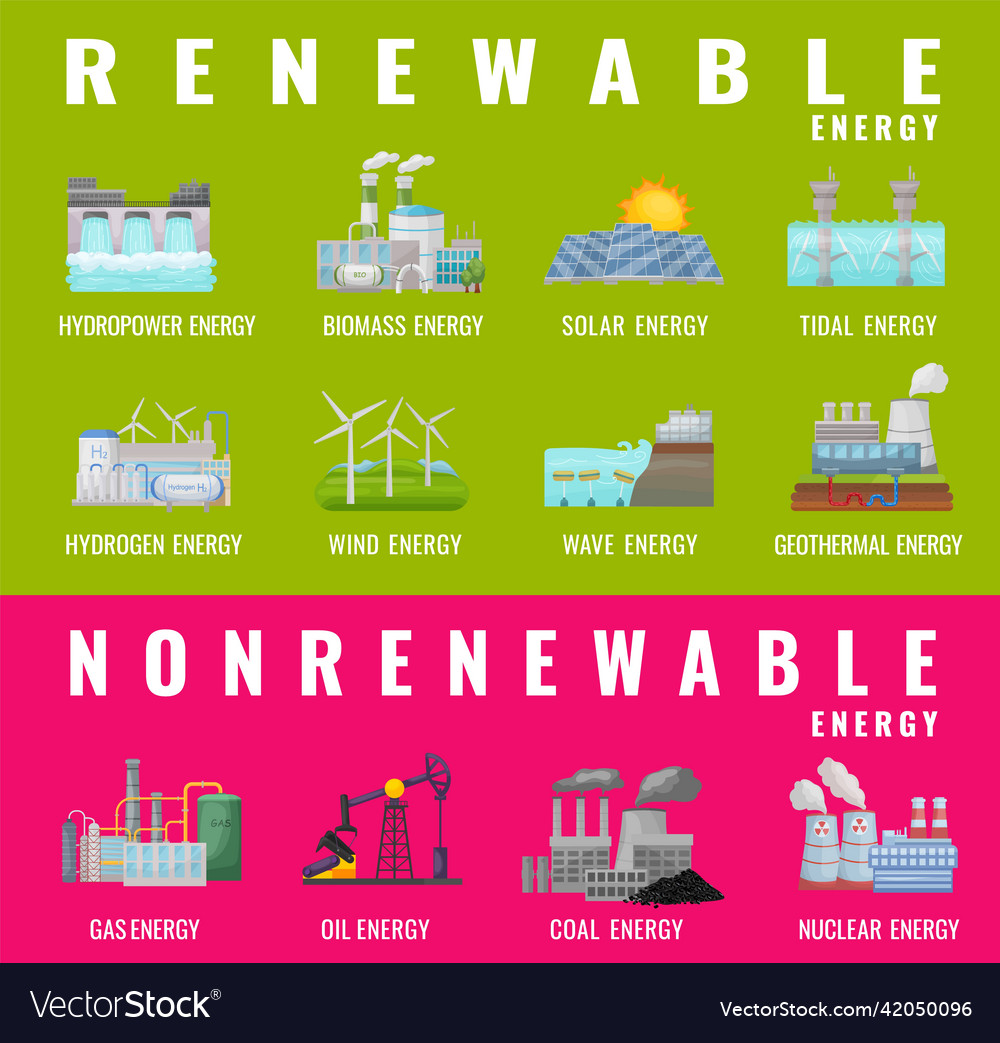
Finally, there's Nuclear Energy. While not a fossil fuel, it's non-renewable because it relies on finite resources like uranium. This energy is harnessed through nuclear fission, where atoms are split to release vast amounts of heat. In science class, you'd delve into atomic physics and the incredible energy locked within the nucleus of an atom. In real-world applications, nuclear power plants provide immense, reliable, and low-carbon electricity, especially crucial in urban centers where consistent power supply is paramount. It’s a fascinating blend of high-tech engineering and fundamental physics.
So, how can you explore this further? It's simpler than you think! The next time you flip a light switch or fill up your car, take a moment to wonder where that energy comes from. You could research your local power company – what type of plant provides your electricity? Many science museums have exhibits on energy generation, which are super engaging. Even simply following news articles about new energy policies or global energy consumption can open up a whole new world of understanding. Discuss it with friends and family! The more we understand these fundamental forces, the better equipped we are to appreciate our world and shape its future.