316 Vs 18 10 Stainless Steel
There's something wonderfully satisfying about a material that just works, day in and day out, without fuss or fanfare. We’re talking about stainless steel, of course! From the gleaming appliances that light up our kitchens to the trusty pots and pans that simmer our favorite meals, stainless steel is the unsung hero of modern living. It’s not just about the shine; it's about reliability, hygiene, and that reassuring feeling of a product built to last. People love it because it’s practically indestructible in everyday use, resistant to stains, odors, and rust, making our lives just a little bit easier and a whole lot cleaner.
At its core, stainless steel serves a crucial purpose: to provide a durable, non-reactive, and easy-to-maintain surface. Imagine cooking without it – rusty pans, stained utensils, a constant battle against wear and tear! Stainless steel, with its chromium content, forms a passive layer that protects against corrosion, ensuring your kitchenware remains safe and hygienic for food preparation. It’s the backbone of professional kitchens and a beloved staple in homes worldwide, promising longevity and a sleek, modern aesthetic. But did you know not all stainless steel is created equal? When you see "18/10" or "316" stamped on an item, you're looking at different grades, each with its own superpowers.
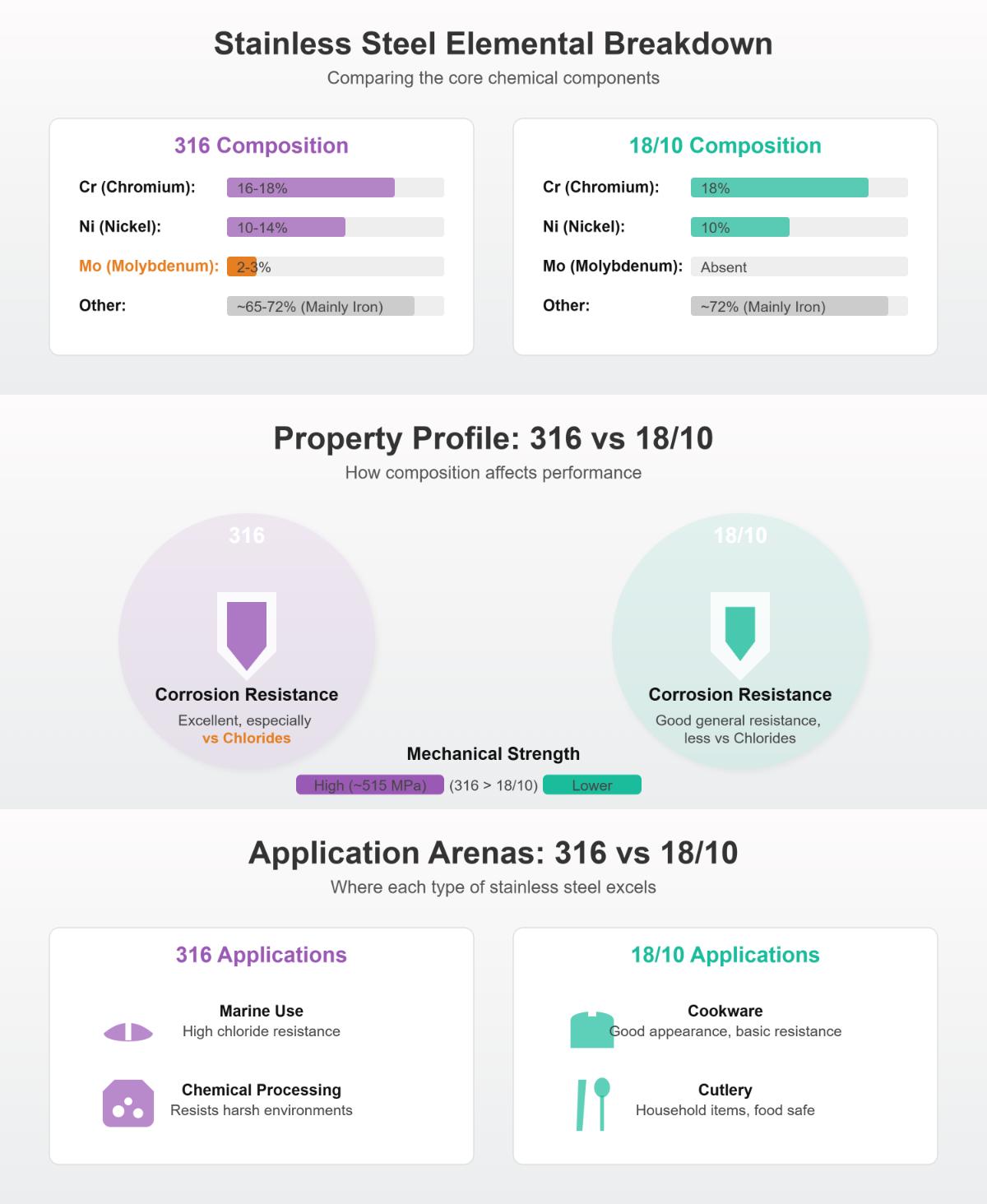
Let's dive into 18/10 stainless steel, the true everyday champion. This grade is incredibly popular, especially for culinary applications like premium cutlery, high-quality cookware, and elegant sinks. The numbers 18/10 refer to its composition: 18% chromium and 10% nickel. The chromium provides that fantastic rust and stain resistance, while the nickel adds a beautiful luster, extra corrosion resistance, and increased durability. For most household uses, 18/10 is exceptionally robust. It handles acidic foods, withstands vigorous scrubbing, and maintains its shine through countless washes. It’s the perfect blend of performance and value, making it a kitchen staple for good reason.
Must Read
Then we have the formidable 316 stainless steel, often referred to as "marine grade." What gives it this prestigious title? It contains an additional element: molybdenum. This seemingly small addition provides a significantly higher resistance to corrosion, particularly against chlorides like salt and harsh industrial chemicals. While 18/10 (which is typically Type 304) is excellent, 316 is built for environments where corrosion is a constant threat. Think boat fittings, medical surgical instruments, or even architectural elements in coastal areas. If you’re near the ocean or dealing with highly corrosive substances, 316 is the undisputed champion, offering unparalleled resilience where other steels might falter.
So, how do you enjoy your stainless steel more effectively by choosing the right one? For the vast majority of us, living in typical homes and using our kitchenware daily, 18/10 stainless steel is not only sufficient but often the smarter choice. It offers exceptional performance, beautiful aesthetics, and great longevity without the higher cost of 316. You'll find it in most high-quality pots, pans, and utensils. However, if you live in a coastal area, frequently expose items to saltwater, or need equipment for highly specialized or medical purposes, then investing in 316 is absolutely worthwhile for its superior corrosion resistance. Both are fantastic, but knowing their strengths helps you pick the right stainless steel warrior for your specific needs, ensuring your chosen pieces last for years, bringing enduring quality to your life.