
304 Vs 316 Stainless Steel Tensile Strength
Alright, gather 'round, gather 'round! Let's talk metal! No, not heavy metal, though that's pretty strong stuff too. I'm talking about stainless steel, specifically 304 and 316. And what we really want to know is: who's the beefier of the two when it comes to tensile strength? It's like a steel cage match, folks!
Now, before we get into the nitty-gritty, let's clarify. What is tensile strength? Imagine stretching a rubber band. Tensile strength is basically how much "oomph" you need to pull something until it breaks. The higher the number, the tougher the material. Think Superman versus a wet paper bag. (Spoiler alert: Superman wins.)
The Contenders: 304 vs. 316
In this corner, weighing in at roughly the same atomic weight, we have... 304 stainless steel! Known for its versatility and affordability, 304 is the workhorse of the stainless steel world. It's in your kitchen sink, your pots and pans, maybe even holding your very chair together. It's like the blue jeans of metals – reliable and everywhere.
Must Read
And in the other corner, with a slightly more exotic glint, it's... 316 stainless steel! This guy's the James Bond of the stainless steel family. A little more expensive, a little more refined, and packing a secret weapon: molybdenum! (Sounds like a villain's name, doesn't it?). Molybdenum makes 316 more resistant to corrosion, especially from chlorides, like, say...saltwater. So, think boats, marine environments, and all that good stuff.
Tensile Strength: The Numbers Game
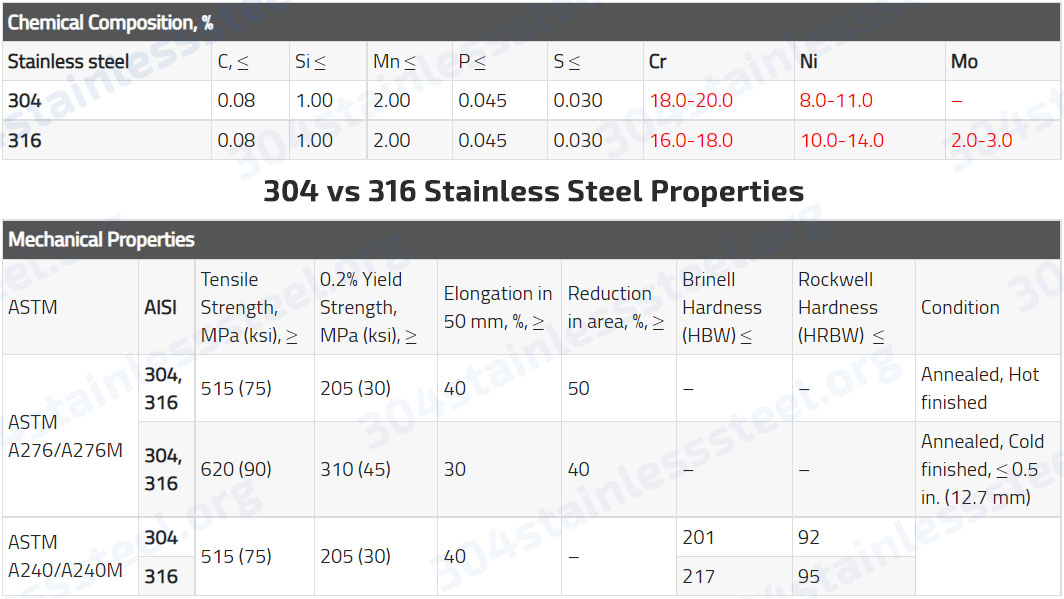
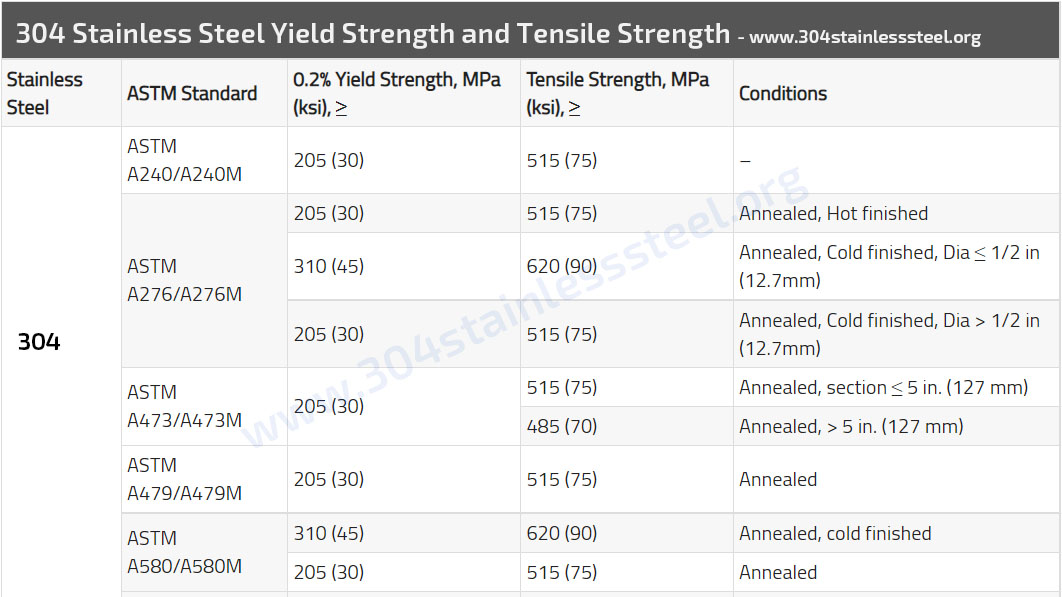
Okay, drumroll please... Let's talk numbers! This is where things get a little... technical. But I promise to keep it entertaining. Typical 304 stainless steel has a tensile strength of around 620 MPa (MegaPascals). Think of it as the metal equivalent of bench-pressing a small car.
316 stainless steel? It’s pretty darn close. Usually hovering around 579 MPa. Wait a minute… lower? That's right! Shocking, I know. 304 generally boasts a slightly higher tensile strength in its basic form. Does this mean 304 automatically wins? Hold your horses!
Before you start chanting "304! 304!", remember that tensile strength isn't the only thing that matters. It's like comparing a weightlifter to a marathon runner. The weightlifter can lift heavier things (higher tensile strength!), but the marathon runner can go the distance (better corrosion resistance!).
The Twist: It's All About Context!
Here’s the real kicker. These are just typical values. The actual tensile strength of any stainless steel can vary depending on things like:
- The manufacturing process: How it's made can influence its strength.
- The specific alloy composition: Even slight tweaks in the recipe can make a difference.
- Temperature: Things can get weird when it gets hot (or really cold!).
And more importantly: work hardening. Think of a blacksmith hammering a piece of metal. That hammering actually makes the metal stronger. Both 304 and 316 can be work-hardened to significantly increase their tensile strength. So, in specific applications, the difference can become negligible or even reversed!
Corrosion Resistance: Where 316 Shines
While 304 might win on pure tensile strength in some cases, 316’s corrosion resistance is a major advantage. Imagine building a pier. You could use 304, but the saltwater would eventually have it looking like a rusty shipwreck. 316, on the other hand, will stand up to the salty spray like a seasoned sailor. This durability, in many situations, trumps (pun intended!) the slight difference in tensile strength.
It's like choosing between a slightly stronger umbrella that dissolves in the rain and a slightly less strong umbrella that laughs in the face of a hurricane. I know which one I'm picking when the apocalypse comes!

So, Who Wins? (The Anti-Climactic Answer)
Alright, the big question: Who's the tensile strength champion? The answer, as with most things in engineering, is... it depends!. Generally, 304 might have a slight edge in base tensile strength. But 316's superior corrosion resistance often makes it the better choice for demanding environments.
Ultimately, the best choice depends on the specific application. Don't just blindly pick one over the other. Consider the environment, the stresses involved, and any other factors that might influence the material's performance. Consult with a materials engineer if you're unsure! They're like the Jedi Masters of the metal world.
Think of it like this: 304 and 316 are both excellent stainless steels, but they're suited for different missions. Choose wisely, and your metal structures will thank you. Now, if you'll excuse me, I'm going to go build a submarine...out of carefully chosen stainless steel, of course!