
304 Vs 316 Stainless Steel Cost
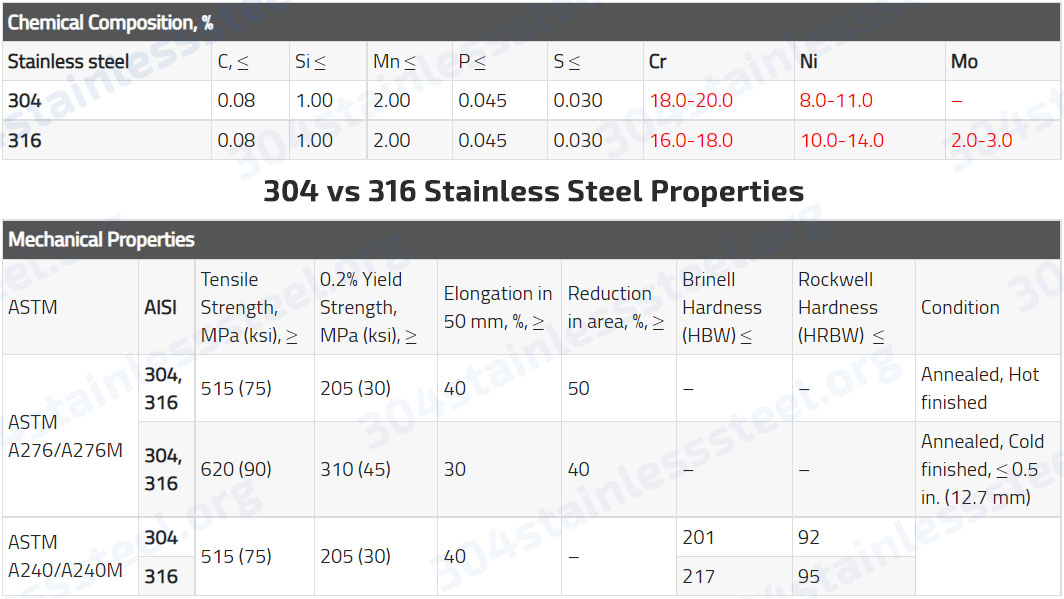
Ever thought about the secret lives of shiny things? Like your kitchen sink, or that fancy new barbecue? Behind the gleam, there’s often a fascinating choice being made. It's a bit like picking between two superhero siblings. Today, we’re peeking behind the curtain at a classic showdown: 304 stainless steel versus 316 stainless steel.
And the main event we're focusing on? Their price tag. It’s a captivating story of everyday heroes and premium performers. Understanding their cost differences can actually be quite entertaining, like solving a puzzle. You get to be the savvy detective, figuring out which one offers the best value for your needs.
Meet the Everyday Champ: 304 Stainless Steel
Imagine 304 stainless steel as the popular kid in school. It's everywhere! This is the go-to material for countless items you use every day without even thinking about it. From your sleek kitchen appliances to those shiny cutlery sets, 304 is often the star.
Must Read
304 stainless steel is tough, looks fantastic, and gets the job done for most situations.
It’s incredibly versatile and boasts excellent resistance to rust and corrosion in typical environments. Think about it: your dishwasher, your coffee maker, even many architectural accents. They all benefit from 304’s reliable performance and attractive finish.
What makes 304 truly shine for consumers? Its fantastic value. It offers a brilliant balance of durability, aesthetics, and, most importantly, affordability. It's the budget-friendly choice that rarely disappoints.
When you see something shiny and strong, odds are it might be 304. It’s the unsung hero that makes our modern lives a little bit smoother. And its accessibility means more people can enjoy the benefits of stainless steel without breaking the bank.
Introducing the Premium Player: 316 Stainless Steel
Now, let's talk about its slightly more exclusive sibling, 316 stainless steel. If 304 is the everyday hero, then 316 is the specialized commando, ready for tougher missions. It has a secret weapon: an extra ingredient called molybdenum.
That little bit of molybdenum gives 316 stainless steel superhero-level resistance.
This special addition makes 316 incredibly resilient, especially against harsh chemicals and saltwater. Think about marine environments, chemical processing plants, or even certain medical instruments. These are places where 316 truly earns its stripes.
It laughs in the face of chlorides, which are usually a stainless steel's arch-nemesis. So, if you’re building a boat part, or designing equipment for a swimming pool, 316 steps up. It’s the choice for environments where corrosion is a constant, aggressive threat.
While it looks just as sleek and polished as 304, its hidden strength is what sets it apart. It's the strong, silent type that performs exceptionally under pressure. And for that extra grit, you generally pay a little more.
The Big Reveal: Why the Cost Difference?
This is where the plot thickens! Why does 316 often come with a higher price tag than 304? It all boils down to that special ingredient we mentioned: molybdenum. This rare element is simply more expensive to source and incorporate into the steel alloy.
Think of it like adding a rare, high-performance upgrade to a car. The base model (304) is excellent, but that special extra feature (molybdenum in 316) costs more. The manufacturing process for 316 can also be slightly more involved due to these added elements.
So, when you see a price difference, you're not just paying for a number. You're investing in enhanced durability and superior corrosion resistance. It's like choosing between a robust everyday jacket and a specialized extreme-weather coat.
The market for these raw materials also plays a role. Fluctuations in the price of nickel, chromium, and especially molybdenum directly impact the final cost. This means the price gap can sometimes shift, making the choice even more of a strategic game.
When Does It Matter for Your Wallet?
Here's where the detective work truly begins for you, the savvy consumer. Choosing between 304 and 316 isn't about one being "better" overall. It's about finding the right tool for the right job at the right price.
For most indoor applications, like kitchen sinks, appliances, or decorative trim, 304 stainless steel is your champion. It performs beautifully, looks great, and saves you money. Spending more on 316 in these scenarios would likely be an unnecessary expense.
Why pay for extreme weather protection if you're just walking to the mailbox?
However, if you're dealing with saltwater spray, chemical fumes, or extremely humid industrial environments, then 316 stainless steel becomes a wise investment. Its superior resistance prevents costly premature failure and replacement. In these harsh conditions, the higher initial cost of 316 quickly pays for itself in longevity and reduced maintenance.
Imagine a beautiful outdoor barbecue on a coastal deck. While a 304 grill might look fine initially, salty air could eventually lead to pitting and rust. A 316 grill, though pricier, would resist those elements for years longer, giving you peace of mind and more grilling fun.
It’s a fascinating balance between immediate savings and long-term durability. The real entertainment comes from evaluating your specific needs. You get to decide if the "extra protection" is worth the "extra cost."
Becoming a Stainless Steel Enthusiast
So, the next time you see something shiny, take a moment to ponder its hidden identity. Is it the versatile, cost-effective 304, handling everyday tasks with grace? Or is it the robust, specialized 316, battling harsh elements like a champ?
Understanding the cost difference between 304 and 316 stainless steel isn’t just about numbers. It's about appreciating intelligent material choices and smart budgeting. It empowers you to make more informed decisions, whether you're buying a new appliance or a piece of outdoor furniture.
This simple knowledge makes you a more discerning consumer. It’s a fun little secret to carry with you, a bit like knowing the backstory of your favorite characters. So, go ahead, marvel at the everyday strength of 304 and the premium power of 316.
Which stainless steel superhero will you choose for your next project? The decision is yours, and now you have the entertaining insights to guide you. It's a small detail that makes a big difference in both performance and price.