
304 Vs 316 Stainless Steel Corrosion Resistance
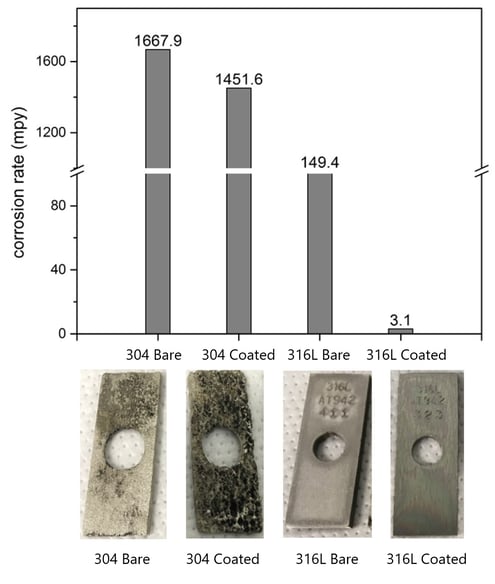
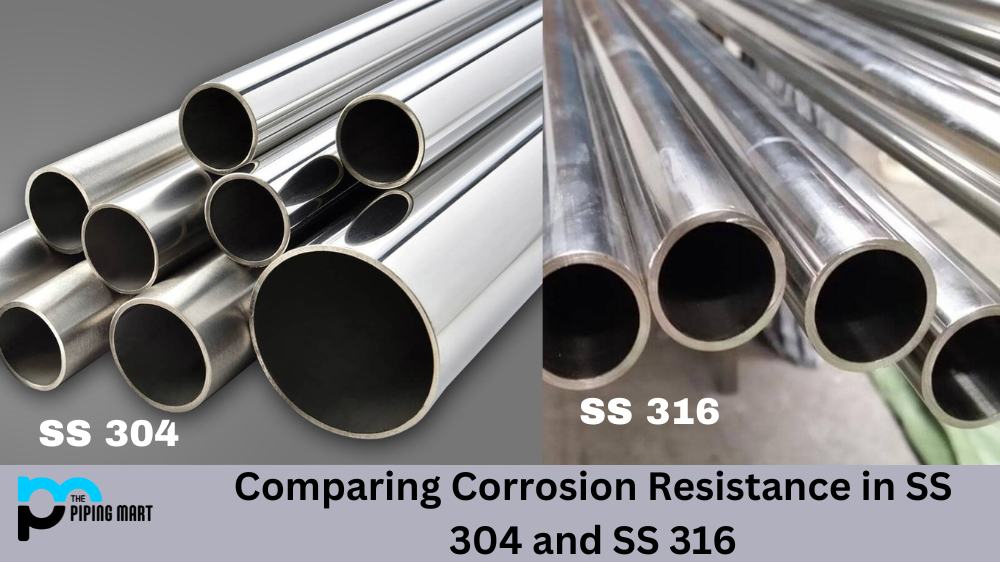
Let's talk stainless steel! Specifically, the eternal battle between 304 and 316. It's a showdown of corrosion resistance. Who will win?
The Contenders: 304 and 316
First up, we have 304 stainless. It's the everyday hero. Think your kitchen sink, pots, and pans.
Then there's 316 stainless. It’s the slightly fancier cousin. It boasts extra protection against corrosion. But is it really that much better?
Must Read
Corrosion: The Nemesis
What even is corrosion? Basically, it's metal rusting. It's like metal getting a really bad sunburn.
Corrosion happens when metal reacts with its environment. Salt, acids, and even just plain water can cause problems. Nobody likes a rusty spoon!
That's where our stainless steel heroes come in. They're designed to resist this metallic sunburn.
The "Official" Story
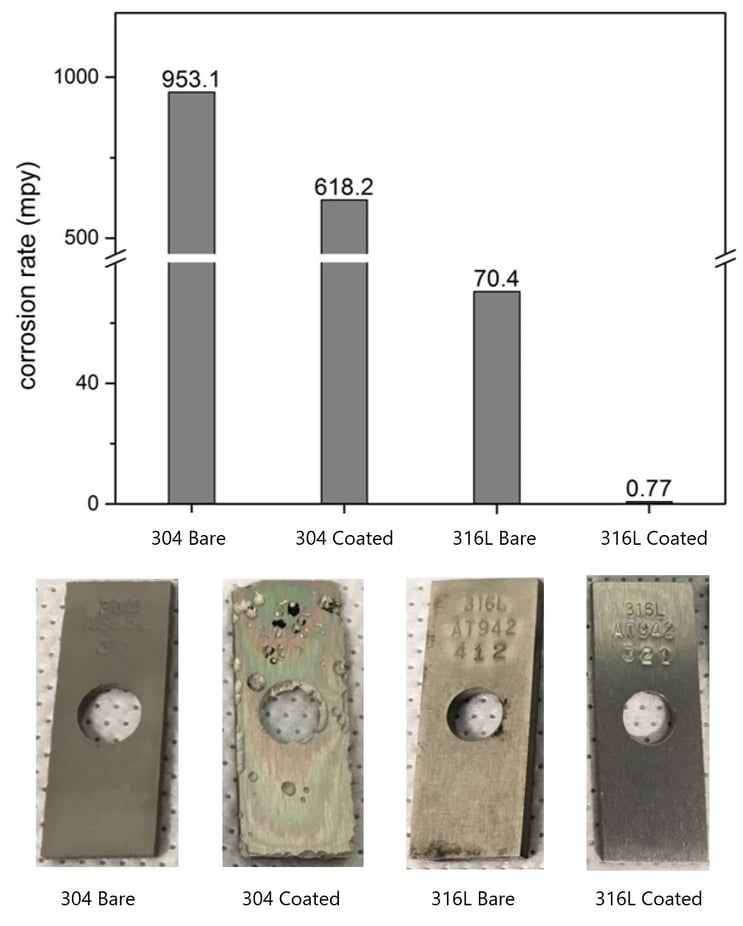
Here's what everyone will tell you. 316 is superior when dealing with harsh environments. Think marine applications or chemical processing.
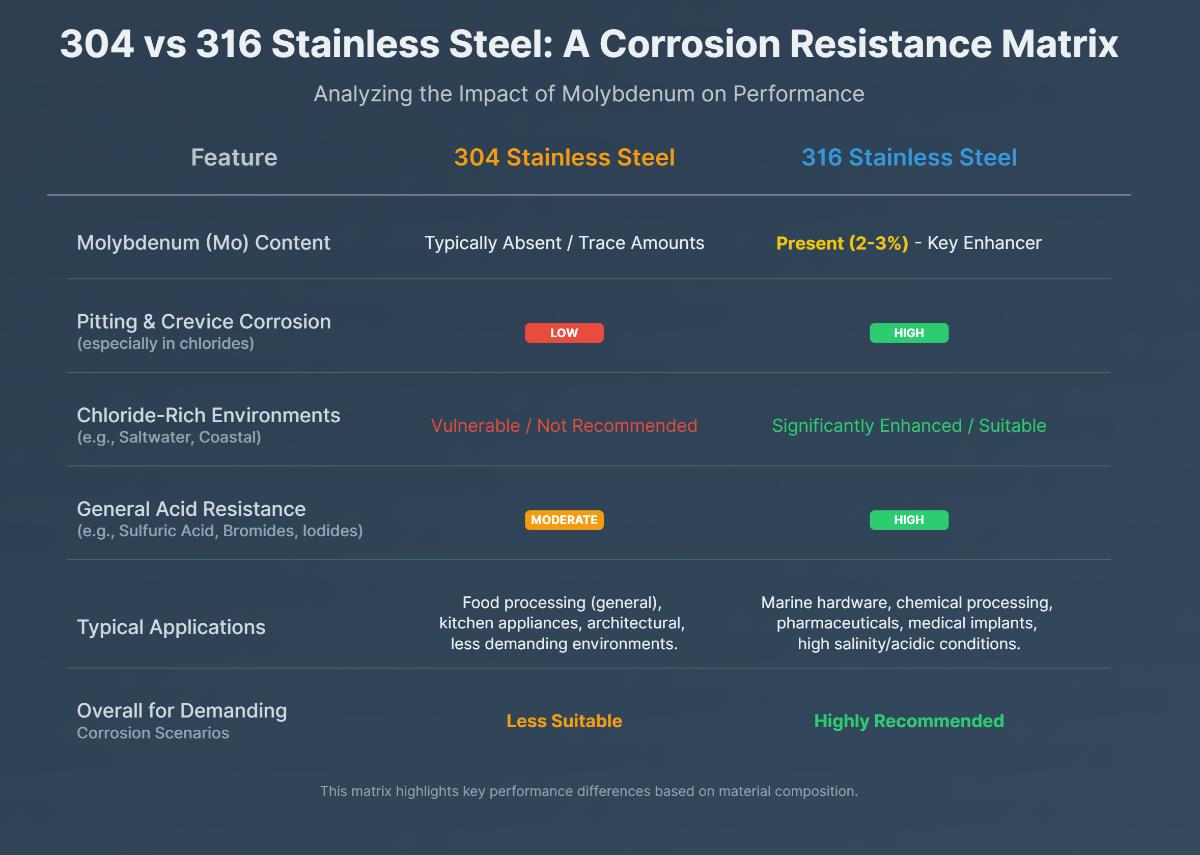
The magic ingredient in 316 is molybdenum. Molybdenum sounds like something a wizard would use. It provides enhanced protection against chlorides.
Chloride is the bad guy in saltwater. That's why 316 is often the go-to for boats and coastal applications. Makes sense, right?
My Unpopular Opinion (Brace Yourselves!)
Okay, here it is: 304 is often good enough! I said it.
Hear me out! Unless you're submerging your cutlery in the ocean 24/7, is the extra cost of 316 really worth it? I'm not so sure.
We're talking about everyday use here. Think about your kitchen, your garden, your BBQ grill. 304 can handle that.
When 316 Shines (Okay, Fine…)
Alright, alright, I'll give 316 some credit. There are times when it’s the clear winner.
If you're dealing with strong acids, 316 is your friend. If you're building a chemical factory, definitely go with 316.
Marine environments? Yeah, 316 makes sense there too. Salty air is sneaky and can corrode stuff over time.
The Cost Factor
Let's talk money! 316 is typically more expensive than 304. Sometimes significantly more.
Are you willing to pay extra for the potential of better corrosion resistance? It's a valid question.
Think about it this way: is a slightly better umbrella worth twice the price if it rarely rains where you live?
Real-World Scenarios
Imagine you're building a railing for your deck. You live inland, far from the ocean.
304 would probably be perfectly fine! Save some money and put it towards some nice patio furniture instead. Just saying.
Now, imagine you're building a dock on the coast. 316 is a much safer bet. Salty air and splashing water are no joke.
Maintenance Matters
Here's a secret weapon in the fight against corrosion: maintenance! Regular cleaning can do wonders.
Washing your stainless steel items with soap and water can remove corrosive substances. It’s a simple step that extends lifespan.
Even 316 can corrode if neglected! So, don’t assume you’re invincible just because you went with the fancier option.

The "Passivation" Process
Let's talk about passivation. It's a naturally occurring process that helps stainless steel resist corrosion.
Stainless steel forms a thin, invisible layer of chromium oxide on its surface. This layer acts as a barrier against corrosion.
Both 304 and 316 rely on this passivation layer. Keep it happy and healthy!
Beware of "Tea Staining"
Have you ever seen brown spots on stainless steel? It’s called "tea staining". It’s a form of corrosion.
Tea staining is usually cosmetic and doesn't affect the structural integrity. But it can be unsightly.
Proper cleaning and maintenance can prevent tea staining. And remember, it can happen to both 304 and 316!
The Verdict (Maybe?)
So, who wins the 304 vs. 316 battle? It depends!
Consider your specific application, your budget, and your climate. There’s no one-size-fits-all answer. Do your research.
Don't blindly assume that 316 is always the best choice. 304 is a solid option that shouldn't be overlooked. Unless your building a deep sea diving bell, 304 is probably just fine.
A Final Thought
Ultimately, choosing between 304 and 316 is about balancing cost and risk. Assess the situation carefully.
Don't be afraid to ask questions. Talk to a materials specialist. They can help you make the right decision.
And remember, even the best stainless steel needs a little love and attention. So, keep it clean and shiny! Now go forth and prevent rust!
Disclaimer
This article is intended for entertainment purposes only. I am not a metallurgist or a corrosion expert. Please consult a qualified professional for specific advice. Always follow manufacturer's recommendations.
And please, don’t blame me if your spoon rusts. Okay?