304 Vs 18 8 Stainless Steel
There's a quiet hero living in plain sight in nearly every home, kitchen, and modern design aesthetic. It gleams from your toaster, keeps your water bottle pure, and forms the sturdy backbone of your sink. We're talking, of course, about stainless steel! It’s the unsung champion of durability and hygiene, a material many of us rely on daily without a second thought. But have you ever paused to appreciate its remarkable qualities, or perhaps, been slightly puzzled by the numbers and names associated with it, like "304" or "18/8"?
The beauty of stainless steel lies in its ability to resist rust, stains, and corrosion, thanks to its unique composition. This makes it utterly indispensable for everyday life. Think about it: our cookware needs to withstand heat and water without corroding, our food storage containers must be safe and easy to clean, and medical instruments demand the highest standards of hygiene. Stainless steel delivers on all fronts, offering not just exceptional performance but also an attractive, modern aesthetic that lasts for decades. From the glistening facade of skyscrapers to the humble spoon in your drawer, its strength, non-reactive surface, and longevity make it a cornerstone of modern living.
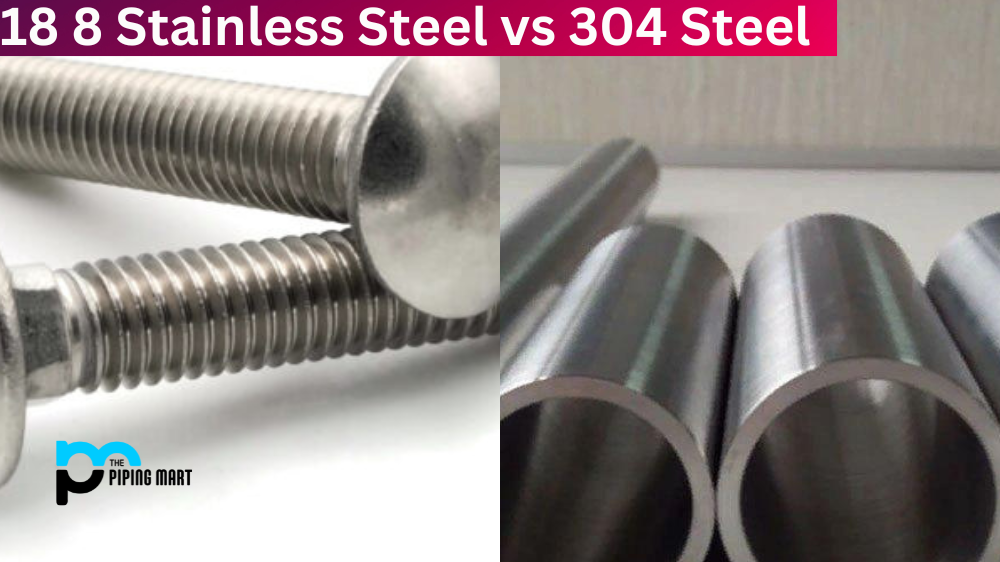
Now, let's unravel that little mystery: 304 versus 18/8 stainless steel. For many, these terms conjure images of an intense technical showdown, two titans battling for supremacy. But here’s the fascinating truth that will likely simplify your shopping life forever: for most consumer products, they are essentially the same thing! Consider them two names for the same trusty friend. The "18/8" refers to the composition of the steel: 18% chromium and 8% nickel. Chromium provides that crucial corrosion resistance, giving stainless steel its "stainless" quality, while nickel enhances durability, strength, and polish. This specific blend of chromium and nickel is precisely what defines Type 304 stainless steel, which is the official American Iron and Steel Institute (AISI) grade. So, when you see "18/8" on a piece of cutlery or a water bottle, you're looking at a high-quality 304 grade stainless steel!
Must Read
Knowing this empowers you to make smarter choices. When shopping for items like pots and pans, food storage, or even a new kitchen sink, seeing the "18/8" or "304" stamp is a great indicator of quality. It means you’re getting a product that’s highly resistant to corrosion, incredibly durable, easy to clean, and safe for food contact. Other grades exist, like 430 stainless (which has chromium but no nickel, making it less corrosion resistant and often used for less demanding applications or budget items), or 316 (a marine-grade stainless with added molybdenum for superior corrosion resistance in harsh environments). But for most household purposes, 18/8 (or 304) is your gold standard.
To enjoy your stainless steel products more effectively, always look for that "18/8" or "304" marking. It's your assurance of a robust, long-lasting, and hygienic product. To keep it sparkling, avoid abrasive cleaners that can scratch the surface. Instead, use mild soap and water, or a specialized stainless steel cleaner, always wiping in the direction of the grain. With this little bit of insider knowledge, you can now appreciate the gleam of your everyday items even more, knowing you’ve chosen the reliable, high-quality material that keeps your life shining brightly!