3 Examples Of Long Term Environmental Changes

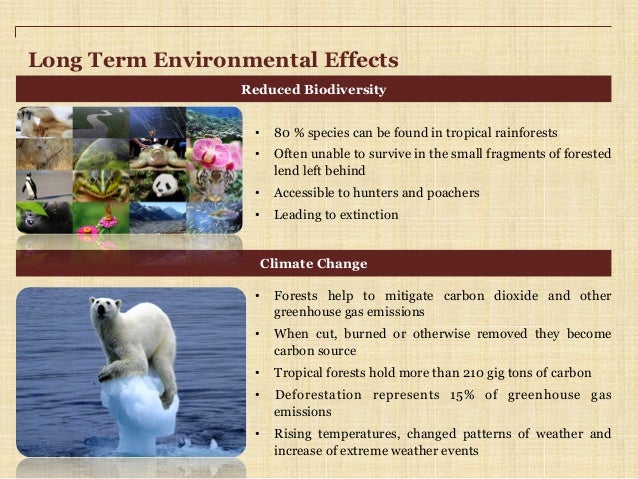
The world is a constantly changing place. Sure, we notice the seasons shifting, or that new coffee shop popping up downtown, but some of the biggest changes are happening incredibly slowly, like watching grass grow – except instead of grass, it's entire ecosystems!
The Incredible Shrinking Glaciers (and the Tiny Survivors!)
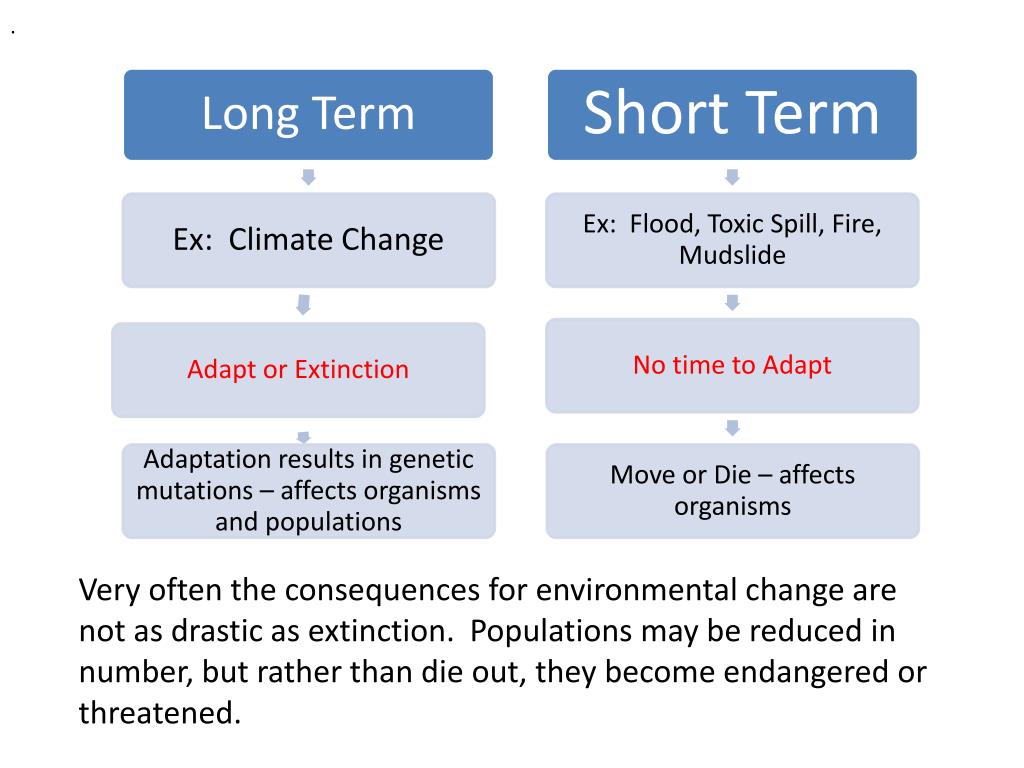
Imagine ice the size of small countries, slowly melting away. That's essentially what's happening with glaciers around the world due to warming temperatures. It sounds dramatic, and it is! But amidst the melting, there's a tiny, heartwarming story unfolding.
Glaciers, believe it or not, are bustling ecosystems. They're home to creatures called glacier worms. Yes, worms that live on ice! And as the glaciers shrink, these little guys are facing a real challenge. They’re adapted to the extreme cold, and melting ice is basically their worst nightmare (or perhaps, their only nightmare?).
Must Read
However, nature is resilient. Scientists are observing how these worms are adapting, finding new pockets of ice, and generally being surprisingly resourceful in the face of environmental change. It's like watching a tiny, squirmy survival show playing out on a massive, icy stage. Who knew melting ice could be so…dramatic?
And there's a practical side to this as well. The melting glaciers impact water supplies for communities that rely on them for drinking water and irrigation. So, while we're rooting for the glacier worms, we also need to remember the bigger picture and address the underlying causes of glacial melt.
Ocean Acidification: The Seas Getting Sour (and Cranky!)
The ocean: vast, mysterious, and... getting a bit acidic? It turns out that all that carbon dioxide we're pumping into the atmosphere isn't just warming the planet; some of it is being absorbed by the ocean. This leads to ocean acidification, which is basically like giving the ocean a giant dose of indigestion.
Why is this a big deal? Well, many marine creatures, like corals and shellfish, use calcium carbonate to build their shells and skeletons. Think of it as the ocean version of brick and mortar. But as the ocean becomes more acidic, it becomes harder for these creatures to get the building blocks they need. It's like trying to build a house with dissolving bricks!
Coral reefs, in particular, are struggling. These underwater ecosystems are incredibly diverse, home to a quarter of all marine life. They're like the rainforests of the sea. But as corals struggle to grow, reefs are dying, leading to a phenomenon called coral bleaching. They turn ghostly white as they lose their vibrant algae.
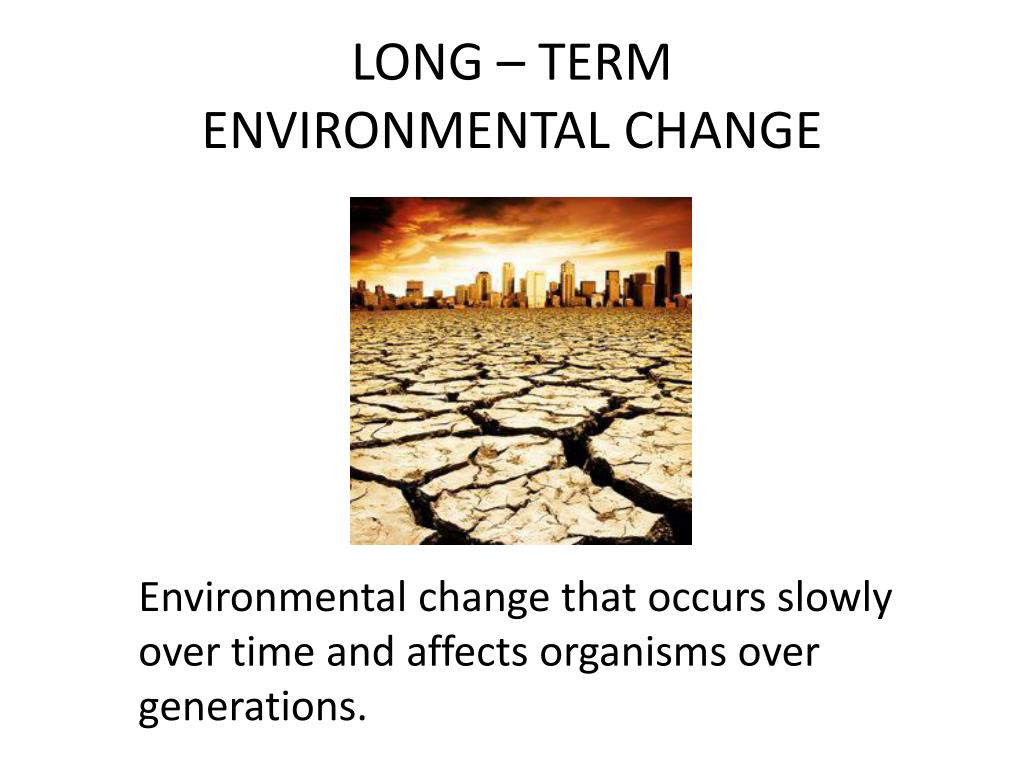
The good news is that scientists are working on ways to help corals adapt to these changing conditions, from breeding more resilient corals to experimenting with ways to reduce local pollution that stresses them further. And, of course, addressing the root cause: reducing carbon emissions.
Desertification: The Land Turning to Sand (One Step at a Time)
Imagine your favorite park slowly turning into a desert. That's essentially what desertification is – the process of fertile land becoming desert. It's not necessarily about deserts expanding (though that can happen too), but rather about good land losing its ability to support life.
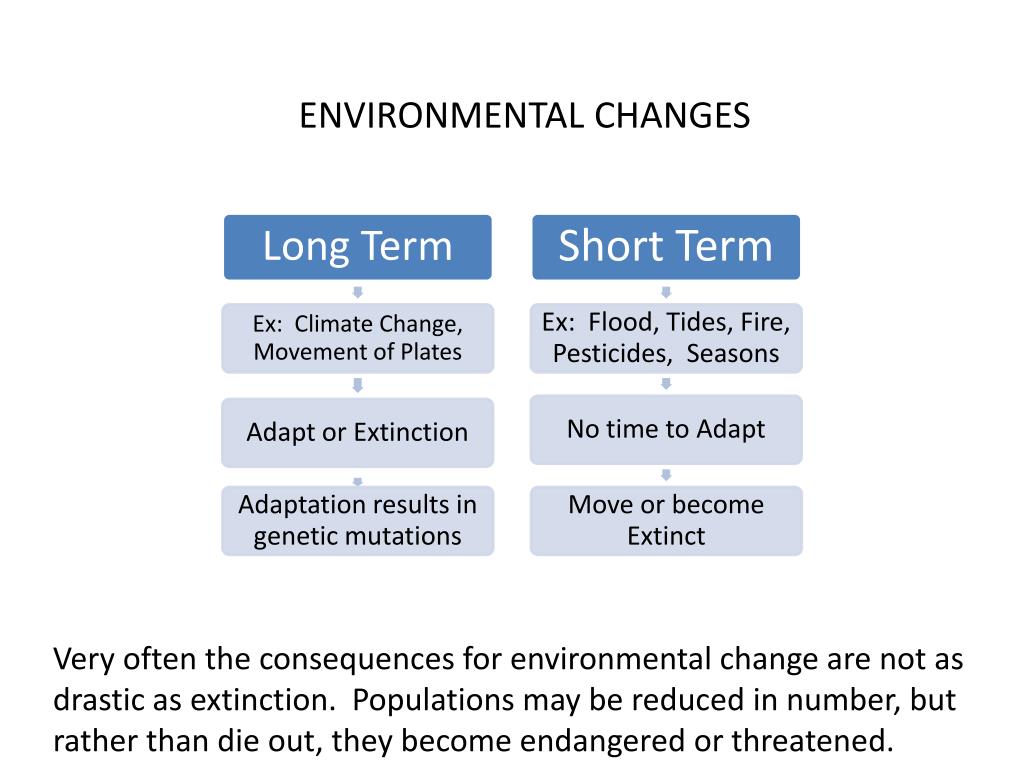
What causes this? Often, it's a combination of factors, including climate change (leading to droughts), unsustainable farming practices (overgrazing, for example), and deforestation (removing trees that help hold the soil together).
One surprising consequence of desertification is the displacement of people. When land can no longer support agriculture, communities are forced to migrate, leading to social and economic challenges. But there are also amazing stories of resilience. People are developing innovative farming techniques, such as using drought-resistant crops and implementing water conservation strategies, to combat desertification and restore degraded lands. Some communities have even managed to turn barren landscapes back into productive farmland! Think of it as a real-life farming simulator, but with much higher stakes.
These three examples – melting glaciers, ocean acidification, and desertification – are all long-term environmental changes that are impacting our planet in significant ways. While the challenges are daunting, there are also reasons for hope. From tiny glacier worms to innovative farmers, the stories of adaptation and resilience remind us that even in the face of enormous challenges, life finds a way. And that, perhaps, is the most surprising and heartwarming aspect of all.