
230 Volt To 110 Volt Adapter
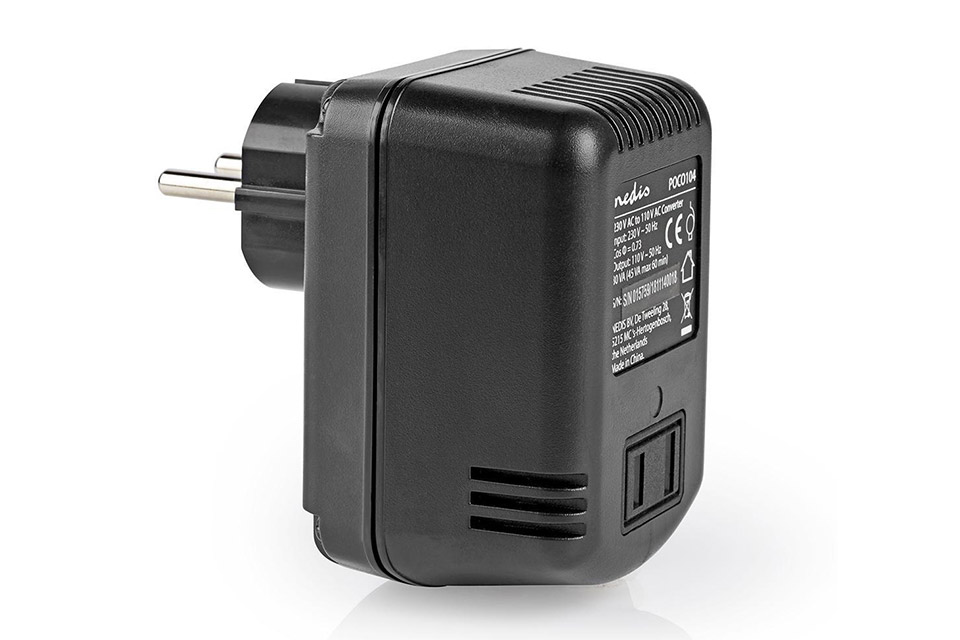
Ever found yourself staring longingly at your favourite coffee maker, hair dryer, or perhaps a beloved vintage lamp, only to realize that the wall socket in your new travel destination or adopted home speaks a completely different electrical language? Welcome to the club! The world, wonderful as it is, is divided into electrical camps: roughly 110-120 volts (think North America, parts of Japan) and 220-240 volts (most of Europe, Asia, Africa, Australia). This is where the trusty 230 Volt to 110 Volt adapter – or more accurately, a voltage converter – steps in, acting as your personal electrical diplomat, smoothing over international power differences and letting you bring your electrical comforts along for the ride.
The beauty of this unassuming gadget lies in the sheer freedom it offers. Imagine not having to buy an entirely new set of small appliances every time you move countries or embark on a long trip. Your reliable stand mixer, your essential electric razor, or that perfectly calibrated curling iron? They can all come with you! A voltage converter's primary purpose is to safely transform the higher voltage from a wall outlet (e.g., 230V) down to the lower voltage your device expects (e.g., 110V). This isn't just about convenience; it's about protection. Plugging a 110V device directly into a 230V socket without conversion is like offering a delicate flower a firehose – it's going to get overwhelmed, quickly overheat, and likely be ruined forever. The converter acts as a crucial buffer, preventing damage and extending the life of your cherished electronics.
So, what kind of items truly benefit from this electrical magic? While many modern phone chargers and laptop power bricks are dual-voltage (meaning they automatically adapt to 100-240V and only need a simple plug adapter), many other appliances are not. Think about those high-wattage heroes: a powerful travel hair dryer, a trusty clothes steamer, or perhaps a specialized kitchen gadget like a blender or an espresso machine that's specific to your home country's voltage. Even some older gaming consoles or medical devices might require precise voltage. For these items, a voltage converter isn't just an option; it's a necessity to ensure their safe and proper function abroad.
Must Read
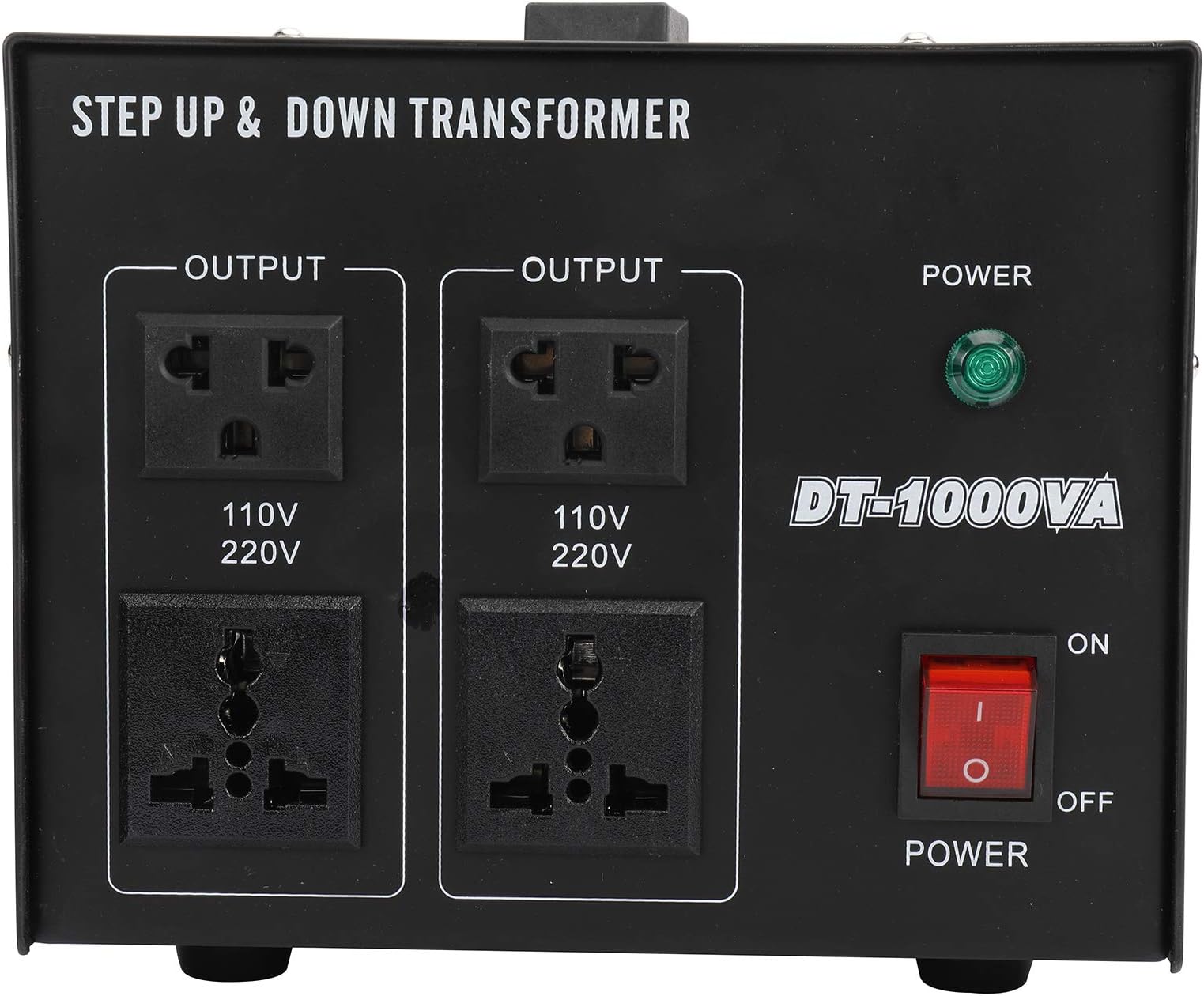
To get the most out of your voltage converter and ensure your gadgets live a long, happy life, here are a few practical tips. First and foremost: always check your device's input voltage. Look for a label on the device or its power supply that says "Input: 100-240V, 50/60Hz." If you see this, congratulations! You only need a simple plug adapter, not a voltage converter. Secondly, know your watts! Every converter has a maximum wattage it can handle. Your device's wattage (often found on the same label as the voltage) must be lower than the converter's rating, preferably with a healthy buffer. Heating elements like hair dryers consume a lot, so you'll need a robust converter for them. Finally, remember there are generally two types: "step-down converters" for simpler resistive loads (like heating elements) and heavier, more complex "step-down transformers" for sensitive electronics with motors or circuit boards. For everyday travel, a good quality step-down converter will cover most non-dual-voltage travel essentials. Invest wisely, understand its limits, and travel (or live) with confidence, knowing your favorite electronics are safe and sound.

_1637171179.jpg)
