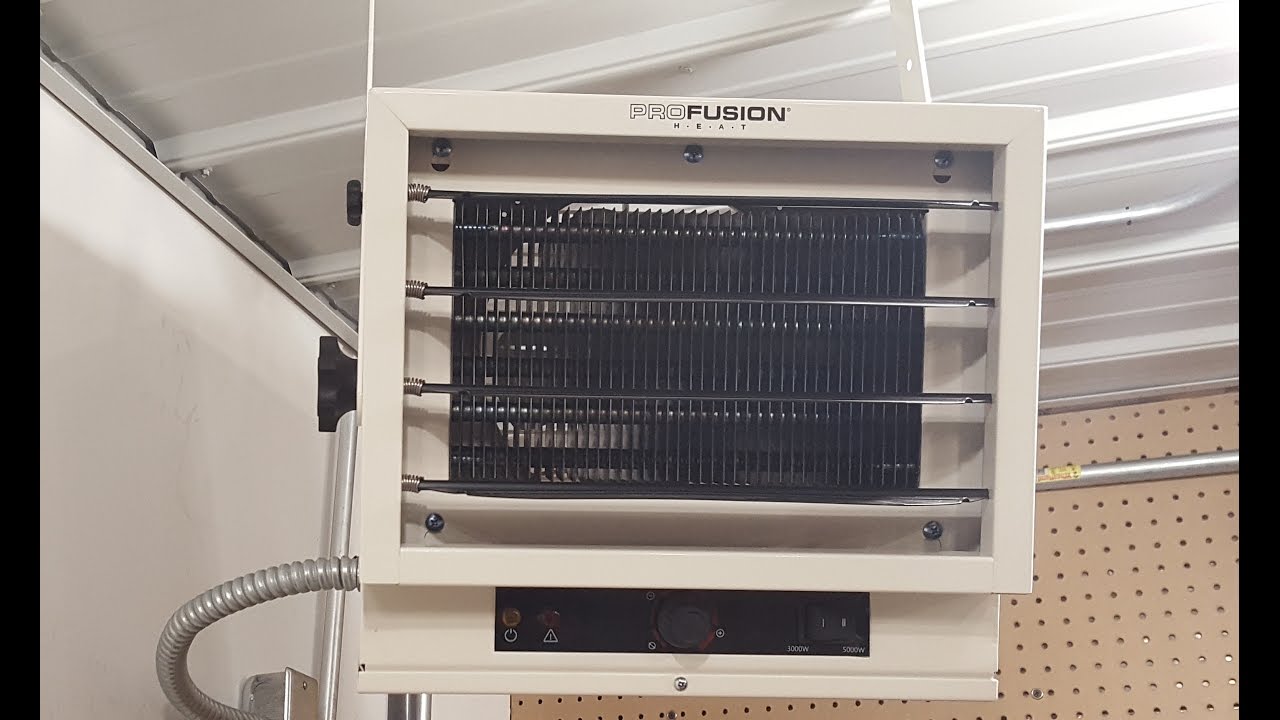
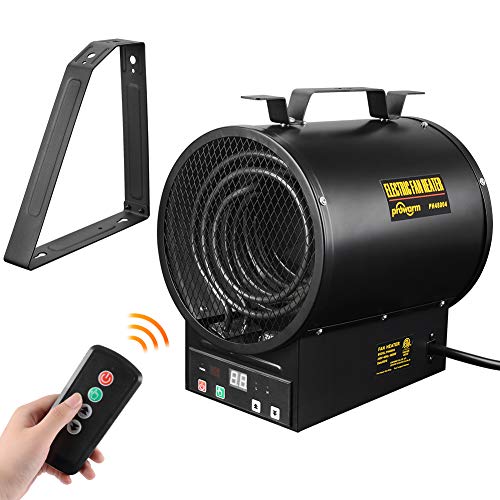
220 Garage Heater With Plug
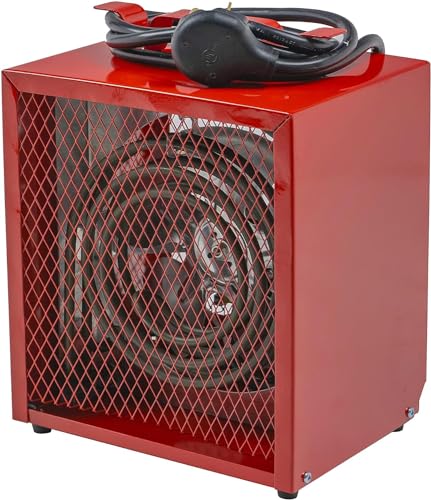
Ever found yourself shivering in the garage, dreaming of tackling that DIY project or finally organizing that workbench, but the thought of frozen fingers sends you back indoors? Or perhaps you've got a fantastic hobby space – maybe a potting shed, a small workshop, or even just a dedicated spot for your car – that becomes utterly unusable once the temperatures dip. Well, let me introduce you to a game-changer that might just spark your curiosity: the 220 Garage Heater With Plug. It's not just a fancy name; it points to a powerful solution that transforms cold, neglected spaces into year-round havens of productivity and comfort.
So, what exactly is this beast, and why is it relevant or fun to learn about? Simply put, a 220-volt garage heater is a step up from your standard household 120-volt heater. The "220" signifies its voltage requirement, meaning it draws more power and, consequently, delivers a much more substantial and sustained heat output. The "With Plug" part is crucial for most of us, as it means it’s designed for relatively straightforward installation into a compatible 220V outlet – no complex hardwiring needed by an electrician (though checking you have the correct outlet is always the first step!). Its purpose is singular and glorious: to efficiently and effectively heat larger, often uninsulated spaces that smaller heaters simply can't handle. Imagine walking into a comfortably warm garage on a frosty morning, ready to dive into car repairs, woodworking, or even just enjoy a cup of coffee without bundling up.
The benefits extend far beyond just feeling toasty. For the avid DIYer, it means you can continue your projects year-round, protecting sensitive glues, paints, or electronic components from damaging cold. Woodworkers will appreciate stable temperatures for their materials, preventing warping or cracking. Mechanics can work on vehicles without numb hands, making tasks safer and more precise. But it's not just for the serious hobbyist; consider daily life applications too. Maybe your laundry room is in the garage, or you use the space for a home gym. A powerful heater makes these areas inviting and functional, extending the usable footprint of your home. In an educational context, think of vocational schools or trade programs: a properly heated workshop allows students to learn and practice skills like auto mechanics, welding, or carpentry in optimal and safe conditions, regardless of the season. It's a practical example of how infrastructure supports learning.
Must Read
Ready to explore this heating marvel yourself? Here are a few practical tips. First and foremost, safety is paramount. Always ensure you have a dedicated 220V outlet with the correct amperage in your garage; if you're unsure, consult a qualified electrician. They can safely install one for you. When choosing a heater, look for models with features like an adjustable thermostat for precise temperature control, overheat protection, and a sturdy build. Consider the square footage of your space and any existing insulation – a well-insulated garage will naturally heat more efficiently. Experiment with placement; often, a heater mounted overhead or on a wall can distribute warmth more effectively than one on the floor. While these heaters are powerful, remember they use significant electricity, so be mindful of usage. Research different brands and read reviews to find a model that perfectly balances performance, safety, and your specific needs. Embracing a 220 garage heater means embracing comfort, productivity, and year-round enjoyment of your space!