2016 Tesla Model S Tire Size

Ever wondered about the seemingly insignificant numbers and letters printed on the side of your car's tires? It might seem like a secret code, but understanding these markings, especially the tire size, can unlock a wealth of information about your vehicle's performance and safety. Let's take a peek at the 2016 Tesla Model S and unravel the mystery of its tire size!
Why focus on tire size? Well, think of your tires as the shoes of your car. Just like you need the right size shoes for optimal comfort and performance, your car needs the correct tire size for safe handling, efficient braking, and even accurate speedometer readings. Choosing the wrong size can negatively impact your car's performance, fuel economy, and most importantly, safety.
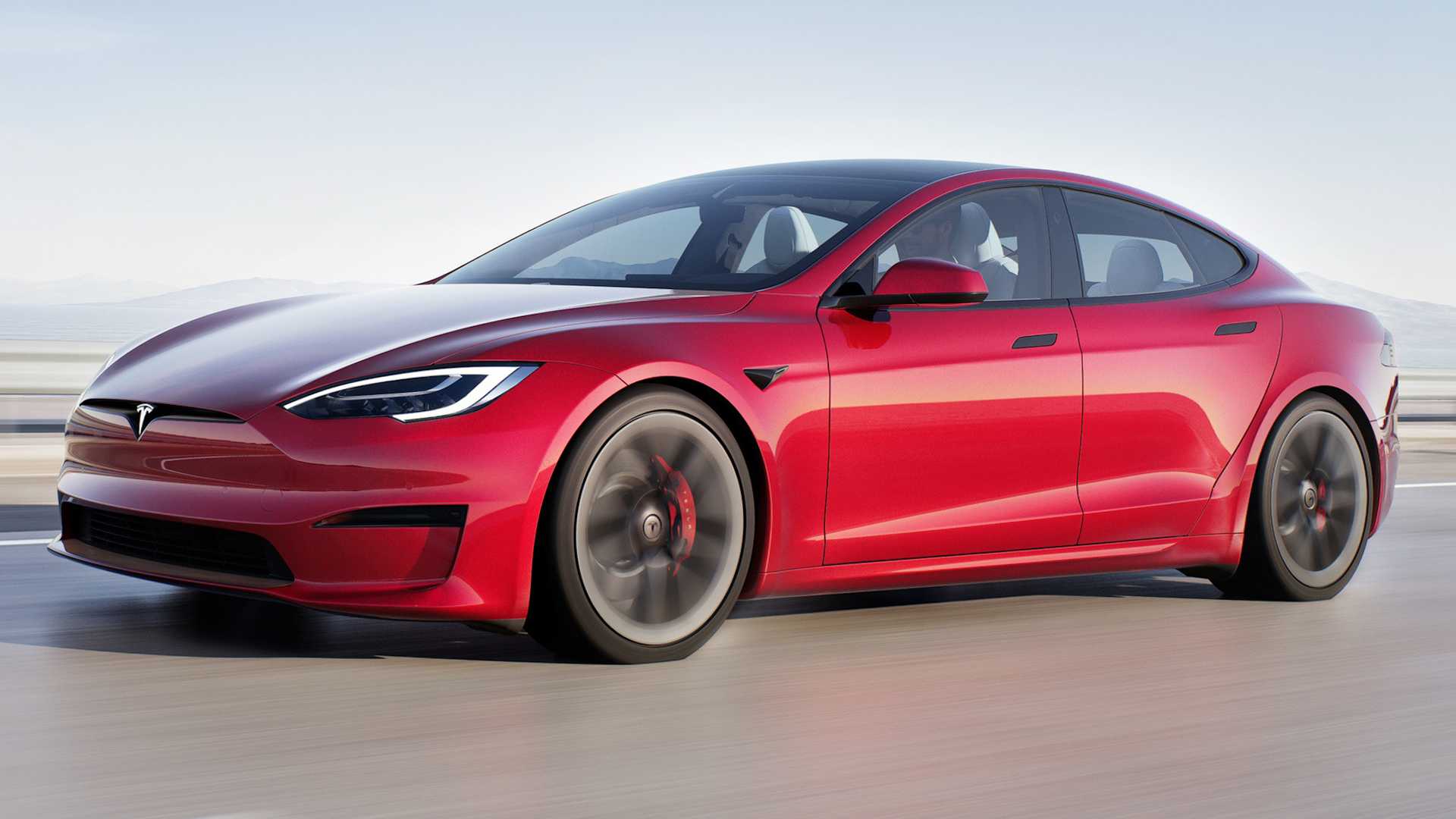
The 2016 Tesla Model S, a pioneer in electric vehicle technology, typically came with a few different tire size options depending on the trim level and options selected. You'd commonly find sizes like 245/45R19, 245/40R21, or even wider rear tires on some performance models. What do these numbers mean? Let's break it down!
Must Read
Each part of the tire size designation tells you something specific. The first number, like '245', refers to the tire width in millimeters. In this case, 245mm. The second number, '45' or '40', is the aspect ratio. This is the height of the tire sidewall as a percentage of the tire width. A lower number like '40' means a shorter sidewall. The 'R' stands for radial, indicating the tire's internal construction. And finally, '19' or '21' represents the wheel diameter in inches.
Understanding this information is beneficial in many aspects of daily life and can even be subtly incorporated into education. For instance, imagine you're helping a student with a math problem involving percentages. You could use the aspect ratio calculation as a real-world example to illustrate the concept. Or, when discussing transportation and engineering, you can highlight how tire size influences a car's aerodynamics and rolling resistance.
In everyday life, knowing your tire size is crucial when purchasing new tires. If you’re replacing tires on your 2016 Tesla Model S, sticking to the recommended size (found on the sticker inside your driver's side door or in your owner's manual) ensures proper fit and maintains the vehicle's intended handling characteristics. Using an incorrect tire size could lead to inaccurate speedometer readings, reduced braking performance, and even damage to the vehicle's suspension system.
So, how can you explore this further? A simple way is to take a walk around a car park and compare the tire sizes on different vehicles. Notice how smaller cars tend to have narrower tires and larger vehicles have wider ones. You can also use online tire size calculators to experiment with different combinations and see how they affect rolling diameter and speedometer readings. These tools are freely available and offer a fantastic way to visualize the impact of tire size changes. Understanding your car's tires and their size is more than just a technical detail; it's about safety, performance, and making informed decisions about your vehicle. So, go ahead, take a closer look at those numbers – you might be surprised at what you discover!