
1957 One Dollar Bill Blue Seal Star Note

Ever find an old dollar bill tucked away in a forgotten wallet or the back of a drawer? Most of the time, it's just a dollar, right? Enough for a gumball or a small coffee. But what if that unassuming greenback was a little more special? What if it had a little something… different?
Let's talk about the 1957 One Dollar Bill Blue Seal Star Note. Now, I know that sounds a bit like something from a history textbook, but stick with me! It's actually kinda cool, and understanding it can turn you into a veritable treasure hunter every time you handle cash.
What Makes it Different?
Okay, so what is a Blue Seal Star Note? Imagine you're at a bakery, and the baker accidentally burns a whole batch of cookies. They can't sell those, right? Well, sometimes the Bureau of Engraving and Printing (that's the folks who make our money) makes mistakes too. If a sheet of dollar bills is misprinted or damaged during printing, they destroy it.
Must Read
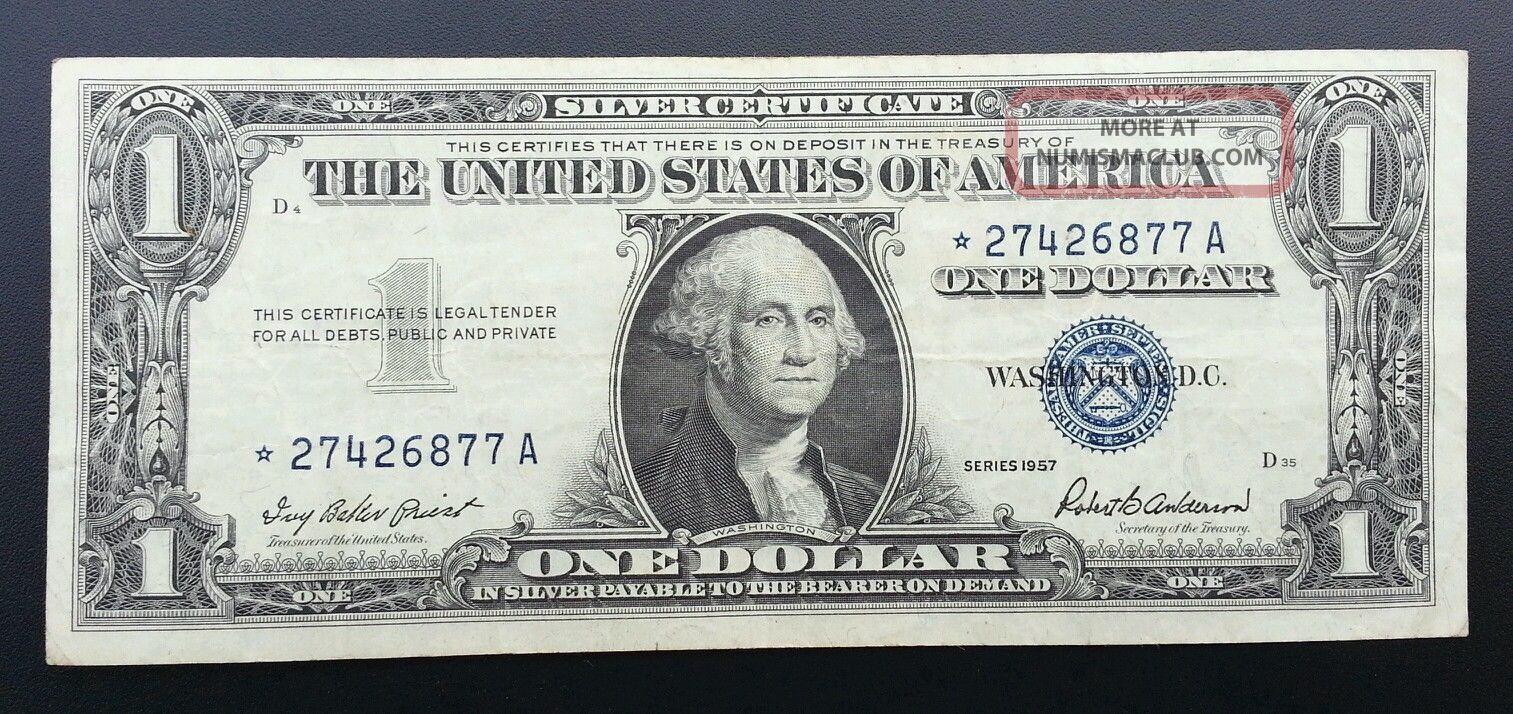
But here's the thing: each bill has a unique serial number. To keep track of things and replace the bad bills, they print replacement bills with a little star () next to the serial number. Think of it like a "whoopsie!" mark. These are the Star Notes!
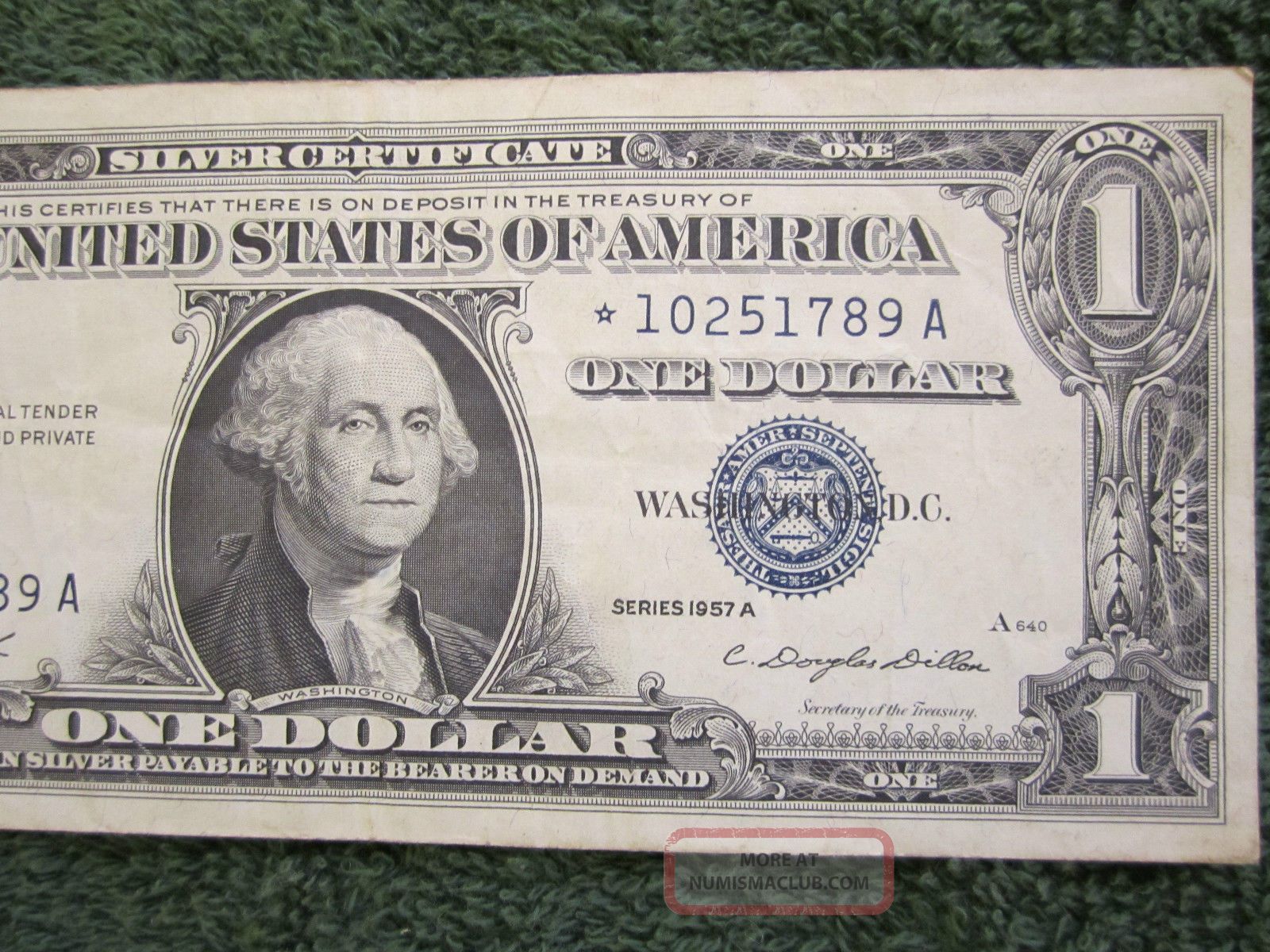
Now, the "Blue Seal" part is about the color of the Treasury Seal and the serial numbers on the bill. Most dollar bills have a green seal, but the 1957 series Silver Certificates (that’s what these specific dollar bills are) have a distinct blue seal. So, we're looking for a dollar bill from 1957 with a *blue seal and a star next to the serial number. Got it?
Why Should You Care? (The Treasure Hunt!)
So, why should you care about this specific type of dollar bill? Because they can be worth more than just one dollar! The value depends on a few things, mainly:
* Condition: Is the bill crisp and uncirculated, like it just came off the press? Or is it well-loved, wrinkled, and maybe a little torn? The better the condition, the more it's worth. Think of it like this: a brand new, mint-condition comic book is worth way more than one that's been read a thousand times and has pages falling out. * Rarity: Some Star Notes are rarer than others. The smaller the print run for a particular series, the more valuable it can be. It's like finding a limited-edition toy – the fewer there are, the more collectors want it. * The Serial Number: Sometimes, a serial number is unusual, like a solid number (all 7s!) or a radar number (reads the same forwards and backward!). Those can be worth even more.Imagine finding one of these tucked away in your grandpa's old coin collection! It's like discovering a little piece of history with a bit of extra value attached. It’s way more exciting than just finding a regular dollar, right?
Finding Your Blue Star
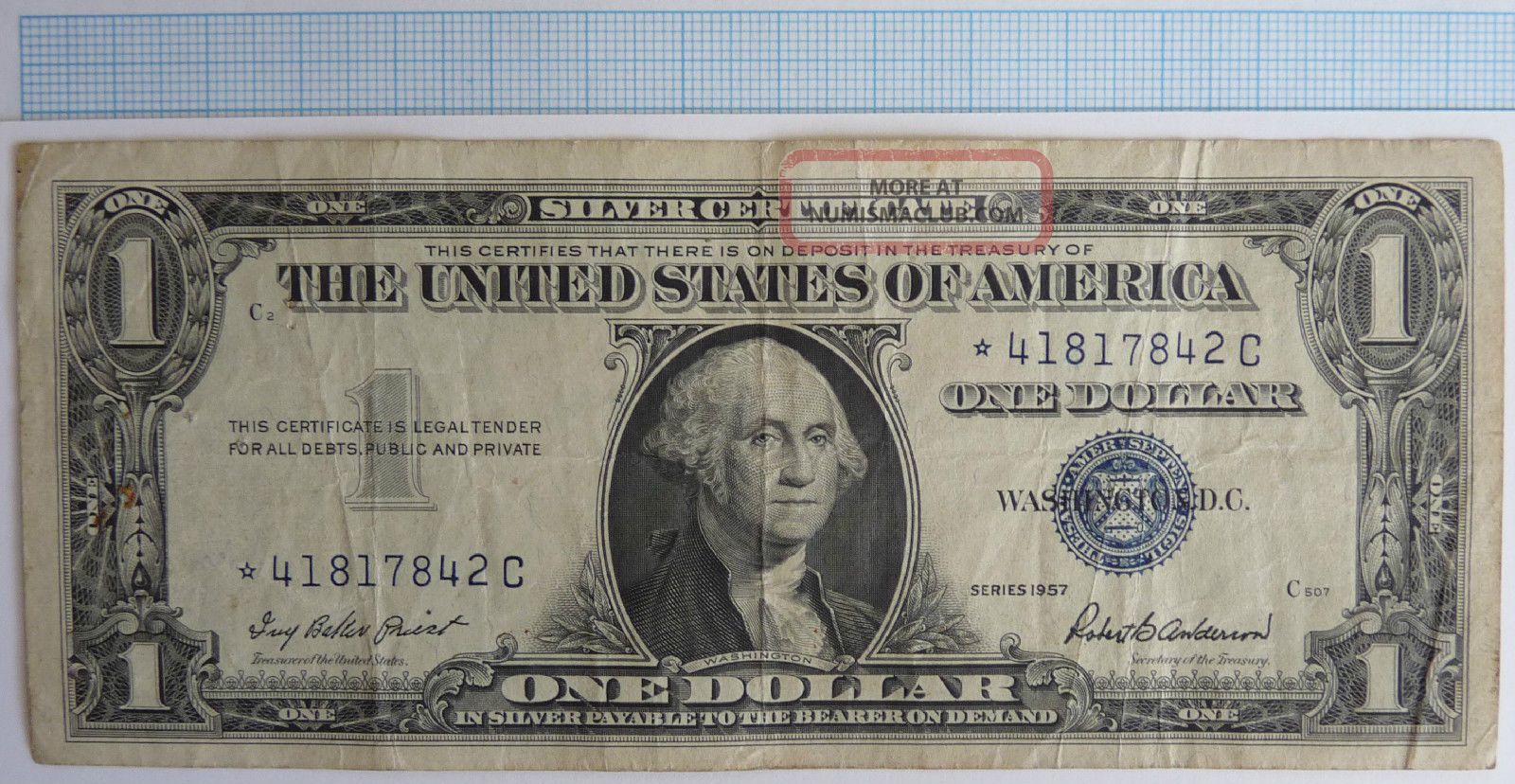
So, how do you go about finding one of these treasures? Well, start by checking your cash! It's not every day you'll find one, but they're still out there. Look for that "1957" date, the blue seal, and that tell-tale star. It's like a little lottery every time you get change!
You can also check with coin and currency dealers. They can help you identify your bill and give you an idea of its value. Plus, it's a great way to learn more about collecting!
More Than Just Money
Ultimately, whether your 1957 One Dollar Bill Blue Seal Star Note is worth a fortune or just a few dollars, it's a cool piece of history. It’s a reminder of a different time and a tangible link to the past. It’s a conversation starter, a bit of trivia to impress your friends, and a fun little treasure hunt every time you handle cash.
So next time you have a dollar bill in your hand, take a closer look. You never know what hidden gems you might find. Happy hunting!
Remember to consult with a professional numismatist (coin and currency expert) for accurate appraisals.
