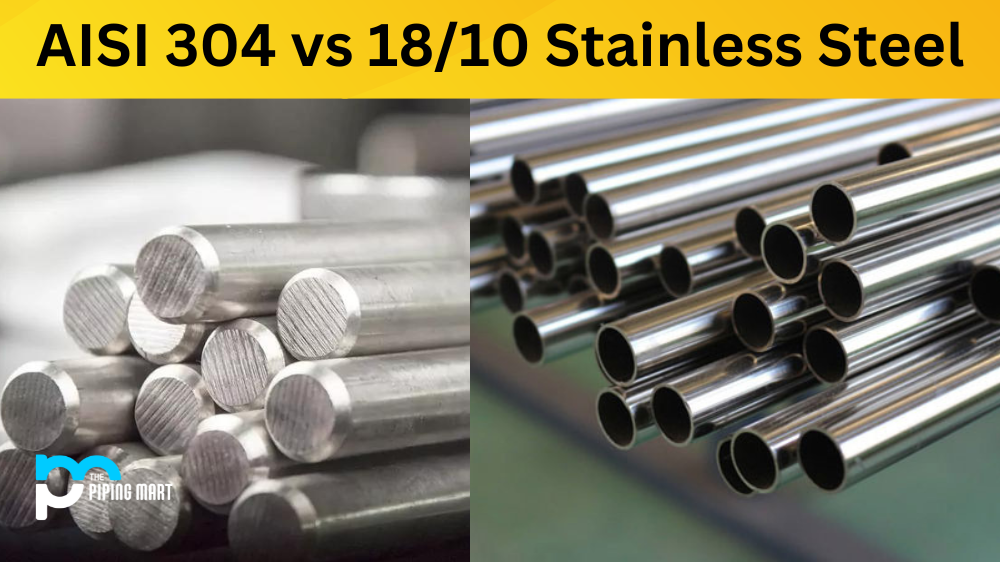
Ever glance at your shiny new pot or sparkling fork and wonder about its secret life? We all love stainless steel. It’s tough. It’s sleek. It’s everywhere! But did you know there’s a whole world of difference hiding beneath that shiny surface? It’s not just one thing. Oh no. We're talking about a dazzling duo: 304 Stainless Steel and its fancy cousin, 18/10 Stainless Steel.
Think of it like this. You have two fantastic chefs. Both make amazing food. But one uses a secret, extra-special ingredient that makes their dishes just a little bit more… wow! That’s what we’re exploring today. Get ready to peek behind the curtain and discover why these two are so special, and why understanding them can be truly entertaining!
Meet the Everyday Hero: 304 Stainless Steel
First up, let’s talk about 304 Stainless Steel. This is your workhorse. Your reliable friend. It’s the kind of stainless steel you’ll find in so many places. Your kitchen sink? Probably 304. Most of your everyday pots and pans? You guessed it. Appliances like your refrigerator or dishwasher? Often 304.
Why is it so popular? Well, 304 Stainless Steel is incredibly versatile. It has a great balance of strength and resistance to rust. It can handle daily wear and tear like a champ. It doesn't mind a little splash or a busy kitchen. It's built to last, making it a fantastic choice for countless products we use every single day. It’s like the reliable co-star who always delivers a solid performance.
"304 is the silent superstar of your home, working hard without asking for applause!"
18/10 vs 304 Stainless Steel: Which is Better?
It’s tough, it’s durable, and it keeps things looking spiffy. It’s a true hero in the world of metals. Without 304 Stainless Steel, our modern kitchens would be a very different, and probably much rustier, place!
Enter the Prima Donna: 18/10 Stainless Steel
Now, let’s roll out the red carpet for 18/10 Stainless Steel. This is where things get a little more luxurious. The numbers 18/10 aren't just random. They tell you a story. The "18" means it contains 18% chromium. And the "10"? That's 10% nickel. This extra splash of nickel is what makes it so exciting!
Why is 10% nickel a big deal? Think of nickel as the secret ingredient that gives 18/10 Stainless Steel its extra sparkle and superpower. It makes it even shinier. It gives it a more lustrous, almost mirror-like finish. This is why you often see 18/10 Stainless Steel in high-end cutlery sets. It truly gleams on the dinner table.
What Does Aisi Steel Stand For Mcq at Bernice Parker blog
But it's not just about looks. That added nickel also makes 18/10 Stainless Steel incredibly resistant to rust and corrosion. Even more so than its 304 cousin! This makes it ideal for items that face constant washing or touch acidic foods. Think about fine dining forks and knives. Or those premium pots designed to last a lifetime.
"18/10 is like the perfectly polished jewel of the kitchen – brilliant, resilient, and always ready for its close-up."
It’s the choice for when you want that extra touch of elegance and durability. It’s often used in hospitals too, because of its superior resistance to corrosion and how easy it is to keep pristine.
18/10 vs 304 Stainless Steel: Which is Better?
The Great Showdown: What's the Real Difference?
So, we have our sturdy 304 Stainless Steel and our dazzling 18/10 Stainless Steel. What does this mean for you? It's like choosing between a really good, everyday car and a luxury model. Both get you where you need to go, but one offers a bit more flair and refinement.
The main differences come down to three key things:
Looks:18/10 Stainless Steel generally has a brighter, more brilliant shine thanks to that extra nickel. It often feels a bit heavier and more substantial too.
Rust Resistance: While 304 is great, 18/10 Stainless Steel takes the crown here. Its higher nickel content makes it incredibly resilient against rust, stains, and pitting. This is especially important for items that are frequently washed or exposed to harsh environments.
Cost: Because of the higher nickel content (nickel is a more expensive metal), 18/10 Stainless Steel products usually come with a higher price tag. You're paying for that extra shine and superior resistance.
It’s not about one being "better" than the other in every single scenario. It’s about choosing the right tool for the job. For your everyday kitchen sink or the shell of your microwave, 304 Stainless Steel is perfectly fantastic and cost-effective. But for that special set of cutlery you bring out for guests, or those high-quality pots you expect to pass down, 18/10 Stainless Steel truly shines.
18/10 vs 304 Stainless Steel: Which is Better?
Why Is This So Entertaining?
Here’s the fun part! Now you know the secret. The next time you pick up a piece of stainless steel, you'll be able to spot the differences. You'll understand why that fancy restaurant cutlery feels so substantial and looks so bright. Or why some pots simply cost more.
It’s like being in on a secret club. You can now make more informed choices when you shop. You'll appreciate the engineering behind everyday items. You might even find yourself checking labels on every new kitchen gadget or utensil! It turns a simple shopping trip into a detective mission. What grade of stainless steel is this? Is it 304 or the premium 18/10?
So go ahead! Take a moment to look at your own kitchen. Check the underside of your pots, the handles of your cutlery, or the labels on your appliances. You might just discover some hidden secrets and gain a whole new appreciation for the unsung heroes of your home. Happy exploring!