18 10 Stainless Steel 是 什么 意思
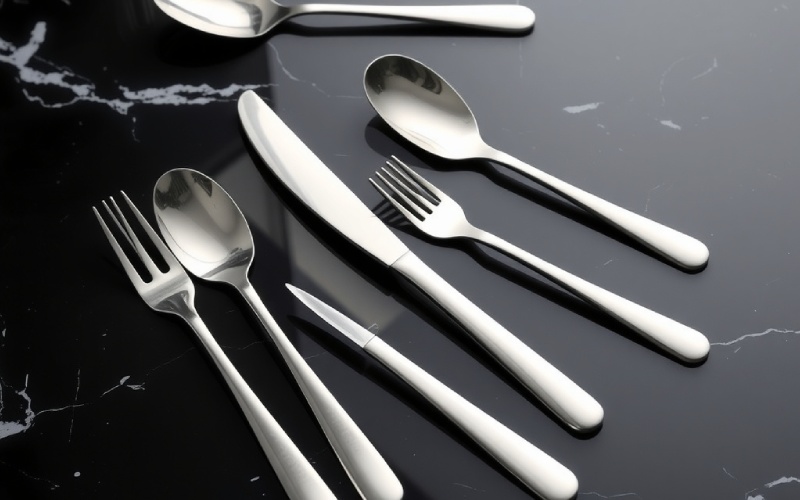
Ever found yourself staring at a shiny new pot or a set of sleek forks, seeing the numbers "18/10" etched on them, and wondering, "What in the world does that even mean?" Well, you're not alone! It might seem like a small detail, but understanding 18/10 Stainless Steel is actually a little superpower for anyone who loves cooking, eating, or just appreciates good stuff around the house. It's not just some technical jargon; it's a key to unlocking longer-lasting, better-performing, and frankly, more enjoyable kitchen essentials. Think of it as knowing a secret handshake that helps you pick out the best quality items for your everyday life!
So, what's the big deal about "18/10"? Simply put, it tells you the exact composition of the stainless steel. The "18" means it contains 18% chromium, and the "10" refers to 10% nickel. These aren't just random numbers; they're the dynamic duo that gives 18/10 stainless steel its superhero qualities. Chromium is the tough guy that provides excellent rust and corrosion resistance, giving that lovely, bright, non-tarnishing finish. Nickel, on the other hand, is the smooth operator, adding extra durability, a gorgeous luster, and superior resistance to acids and pitting – meaning it stands up much better to things like tomato sauce or harsh detergents.
For everyday users and families, this means a few wonderful things. Your cutlery will stay shiny and new-looking for years, resisting those pesky rust spots that can appear on lesser quality steel. Your pots and pans will be more durable, less prone to scratching, and incredibly easy to clean, making meal prep and cleanup a breeze. For the budding chef or home hobbyist, 18/10 cookware is a fantastic choice because it’s non-reactive, meaning it won't impart any metallic taste to your food, and it handles varying temperatures beautifully, often found in higher-end multi-clad cookware for even heat distribution. It’s an investment that truly pays off in longevity and performance.
Must Read
You'll find 18/10 stainless steel in a wide array of kitchen items. It's the standard for premium quality cutlery, elegant serving dishes, and many top-tier cookware sets. You might also encounter its cousins: "18/8" (which has 8% nickel and is still very good, often called 304 grade) or "18/0" (which has no nickel, is magnetic, and is more common in budget items or as the outer layer on induction-compatible cookware). While 18/8 is excellent, 18/10 generally offers superior resistance to corrosion and a brighter finish thanks to that extra nickel content, making it the preferred choice for items that will see heavy use and need to withstand various elements.

Ready to put your new knowledge to good use? Here are some simple tips: When buying new kitchenware, always look for the "18/10" stamp. It’s usually found on the back of cutlery or the bottom of cookware. To keep your 18/10 items gleaming, simply wash them with warm, soapy water and dry them promptly to prevent water spots. While 18/10 is highly resistant to corrosion, avoiding prolonged exposure to highly acidic foods or harsh cleaning chemicals will ensure they stay pristine for even longer. And remember, while 18/10 itself is non-magnetic, many 18/10 pots and pans are made induction-compatible by adding a magnetic base layer, so always check the product description if you have an induction stovetop.
So there you have it! Those humble numbers "18/10" are far more than just a label; they're a promise of quality, durability, and a more enjoyable experience in your kitchen. Understanding this little detail helps you make smarter choices, get more value for your money, and simply enjoy the everyday pleasure of using well-made things. Happy cooking, and happy living!