1.58 Kw Is How Many Watts
Ever found yourself staring at an appliance label or an energy bill, seeing those mysterious "W" and "kW" symbols, and wondering what they really mean? You're not alone! It might seem like a small detail, but understanding the difference between watts and kilowatts, and how to convert between them, is actually a pretty neat superpower for navigating our modern, electricity-dependent lives. Let's dive into something specific, like understanding what 1.58 kW really means in terms of good old watts.
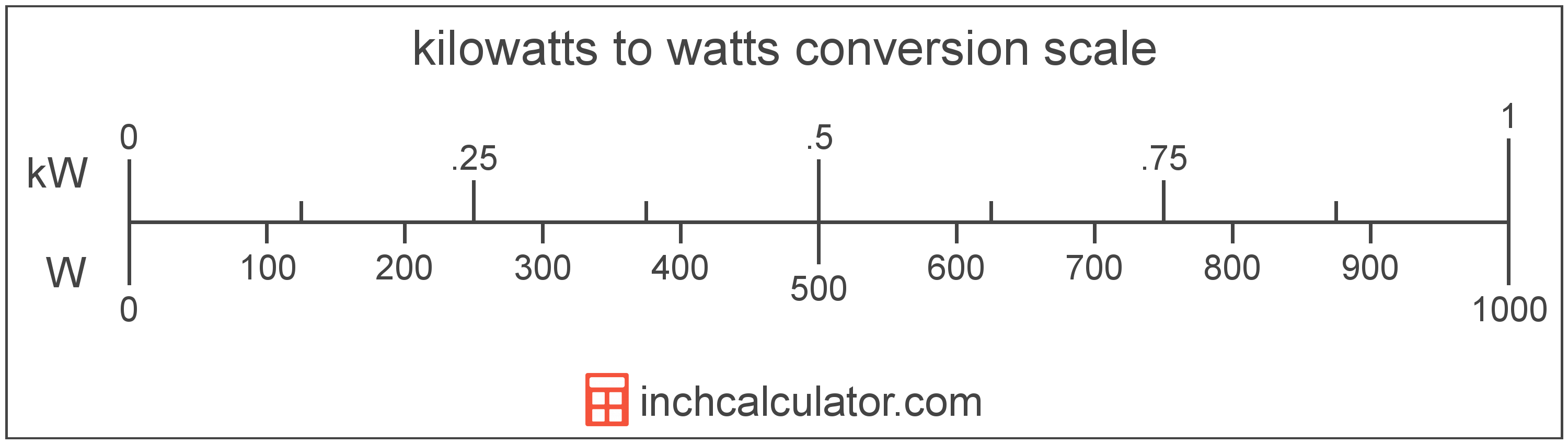
At its heart, this isn't just about a math problem; it's about gaining clarity on the power that fuels our devices and homes. Watts (W) and kilowatts (kW) are both units of electrical power, indicating how much energy an electrical device consumes or produces per unit of time. Think of it like speed: miles per hour or kilometers per hour tell you how fast you're moving. Similarly, watts tell you how fast electricity is being used. The purpose of having kilowatts is simple: convenience! When numbers get really big, we use prefixes to make them more manageable. Just like a kilogram is 1000 grams, a kilowatt (kW) is 1000 watts (W). So, if you see an appliance rated at 1.58 kW, you're essentially looking at a much larger power draw than a simple light bulb. The benefit? You can instantly get a better sense of an appliance’s energy appetite without grappling with huge numbers.
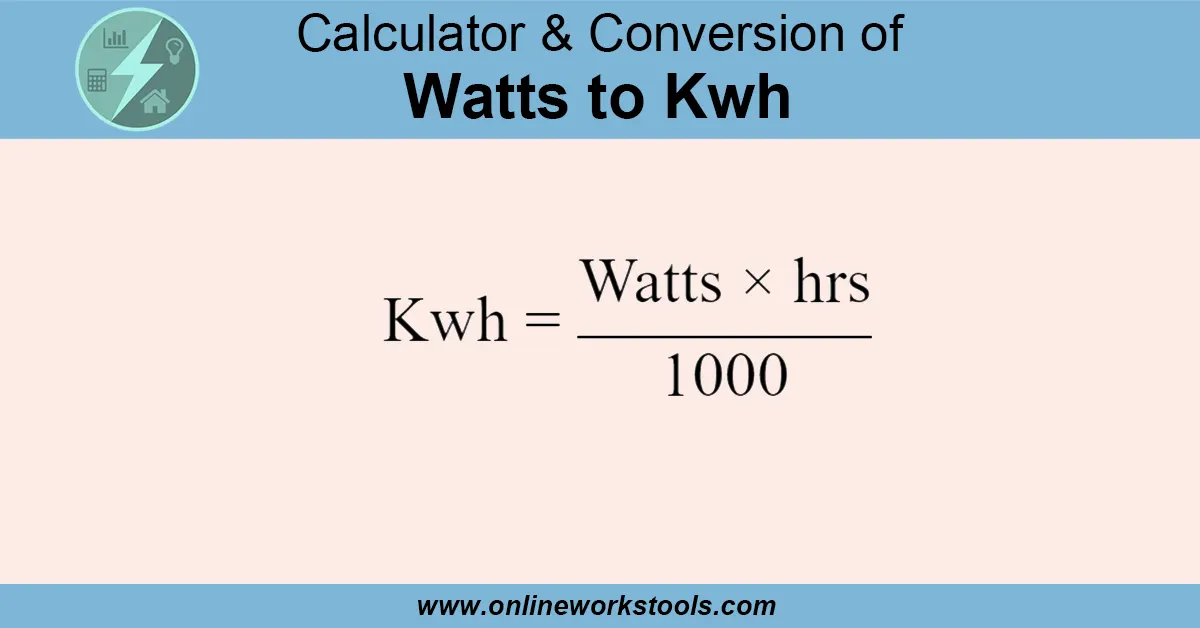
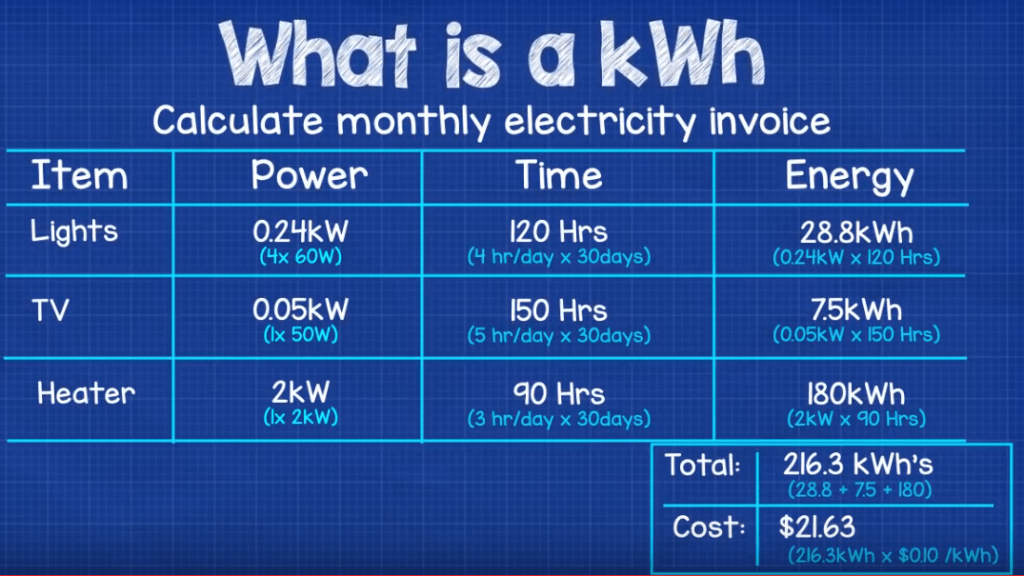
So, to answer our specific question: 1.58 kW is how many watts? It’s a straightforward conversion. Since "kilo" means 1000, you simply multiply 1.58 by 1000. That gives us 1580 watts. Pretty simple, right? This knowledge pops up in so many unexpected places in daily life and education. In a science class, you might learn about energy conservation and unit conversions. At home, you’ll see it on your microwave (often 700-1200W), your hairdryer (sometimes 1800W, or 1.8 kW!), or even your air conditioner. Understanding this helps you compare products – "Is this 1.5 kW kettle more efficient than that 1.2 kW one?" Or, when looking at your monthly energy bill, which is often calculated in kilowatt-hours (kWh), knowing the kW rating of your appliances helps you estimate their contribution to that total. It’s also crucial for sizing solar panels or understanding electric vehicle charging speeds, which are usually expressed in kW.
Must Read
Ready to explore this concept further in your own life? It's super easy! Start by becoming a "watt-detective" at home. Take a stroll through your house and look at the labels on various electrical appliances. You'll likely find their power consumption listed in watts or kilowatts. Grab a calculator and try converting a few. What's your toaster’s wattage? How many kW is your washing machine? You could also look at your latest energy bill to see how many kilowatt-hours (kWh) you've consumed and try to estimate which appliances might be the biggest energy users based on their kW rating and how long you use them. It’s a fun, practical way to demystify electricity and empower yourself with a clearer understanding of the energy flowing all around us. Who knew that 1.58 kW could open up a whole new perspective?