
14 Gauge Wire On 20 Amp Circuit
Alright, picture this: It was a Saturday, I had just finished installing this awesome new gadget in my workshop – let's call it the "Mega-Sander 5000" – a beast that could turn old planks into silky-smooth masterpieces in seconds. I plugged it in, hit the power button with a flourish, and… pop! Complete darkness. Not just the workshop, but half the garage too. My wife, bless her heart, yells from the kitchen, "Did you blow the whole house again, honey?"
I sighed, grabbed my trusty flashlight, and headed to the breaker box. Sure enough, a switch was flipped. But here’s the kicker: I thought I was being smart. I'd specifically checked the Mega-Sander's requirements – it needed a hefty 15 amps, sometimes even nudging 18 amps on startup. The circuit I'd plugged it into? It was on a 20-amp breaker. "Perfect!" I thought. "Plenty of headroom!"
Except it wasn't. And that little pop sent me down a rabbit hole of electrical learning that, frankly, probably saved me from a much bigger, more fiery pop later on. Because what I learned, my friend, is that a 20-amp breaker is designed to protect a certain size of wire. And if the wire isn't the right size, that breaker isn't protecting you like you think it is.
Must Read
The Nitty-Gritty: 14 Gauge Wire on a 20 Amp Circuit – A Recipe for Trouble
So, let's talk about the elephant in the electrical box: 14 gauge wire on a 20-amp circuit. Sounds innocent enough, right? Maybe you're upgrading an old outlet, or extending a circuit, and you've got a spool of 14 gauge lying around. "It's just a couple of amps difference, what's the big deal?" you might wonder. Oh, buddy, it's a huge deal.
Here's the golden rule, etched into every electrician's brain and probably written in glowing letters somewhere in the National Electrical Code (NEC):
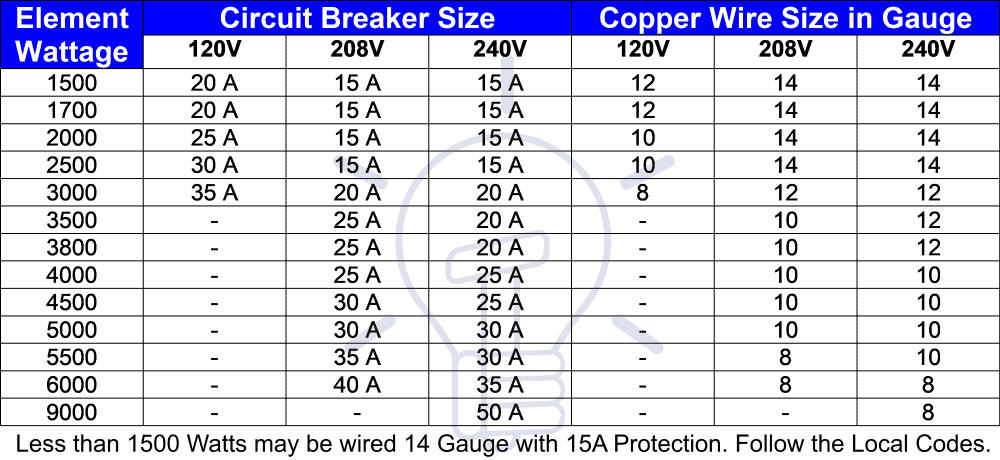
- 14 AWG (American Wire Gauge) wire is rated for a maximum of 15 amps.
- 12 AWG wire is rated for a maximum of 20 amps.
You see the problem already, don't you? If you hook up 14 gauge wire to a 20-amp breaker, you're essentially telling that wire, "Hey, go ahead and carry 20 amps if you need to!" But the wire is silently screaming back, "I can't! I'm only built for 15!"
Why Is This Such a Big No-No?
Think of electricity flowing through a wire like water through a hose. The smaller the hose (thinner wire, higher gauge number), the more resistance there is, and the harder the water has to work to get through. This "hard work" translates to heat in an electrical wire.

If you force 20 amps of current through a 14 gauge wire, which is designed for only 15 amps, that wire is going to start heating up. And I'm not talking "warm to the touch" warm. I'm talking "melt its insulation, potentially spark, and start a full-blown house fire" hot. Seriously.
And here's the insidious part: the 20-amp breaker won't trip! It's doing its job perfectly, waiting for the current to exceed 20 amps. Meanwhile, your undersized 14 gauge wire is slowly cooking inside your walls, getting hotter and hotter, a silent threat you might not even know is there until it's too late.
The breaker is there to protect the wire from overheating and causing a fire, not necessarily to protect the appliance you've plugged in. If the wire is too thin for the breaker, the wire becomes the fuse, which is a really, really bad design choice.

So, What's the Right Way?
It's simple, really. Match your wire gauge to your breaker size.
- For a 15-amp circuit, use 14 gauge wire.
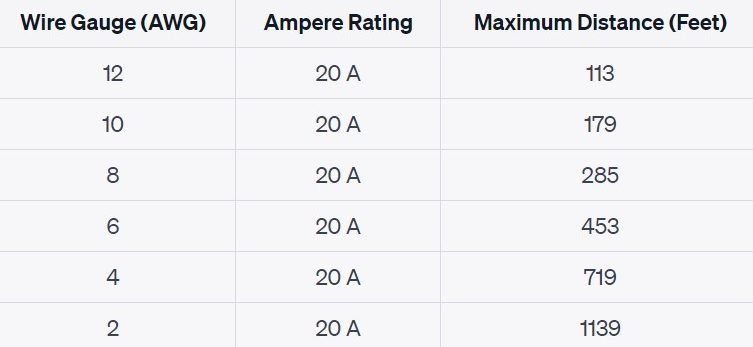
- For a 20-amp circuit, use 12 gauge wire.
- For a 30-amp circuit, you're usually looking at 10 gauge wire. (The smaller the number, the thicker the wire, remember?)
If you're upgrading or installing a new circuit for something that needs 20 amps (like my Mega-Sander, or a dedicated kitchen appliance, or a workshop outlet), you absolutely, positively need to run 12 gauge wire and connect it to a 20-amp breaker. There's no wiggle room here, folks.
Safety First, Always
I know, I know. It can be tempting to just use what you have on hand, especially for a quick fix. But when it comes to electricity, cutting corners can have catastrophic consequences. We're talking about your home, your family, your peace of mind.
If you're ever in doubt, or if you find yourself with a pile of 14 gauge wire and a 20-amp breaker staring back at you, please stop. Get the right materials. Or, even better, call a qualified electrician. They live and breathe this stuff, and they'll ensure everything is up to code and, most importantly, safe.
My Mega-Sander 5000 now lives happily on a dedicated 20-amp circuit, wired with proper 12 gauge wire. And guess what? No more surprise darkness, no more yelling from the kitchen, and certainly no more fire hazards. Just smooth planks and a very happy DIYer. Stay safe out there, electrical explorers!