
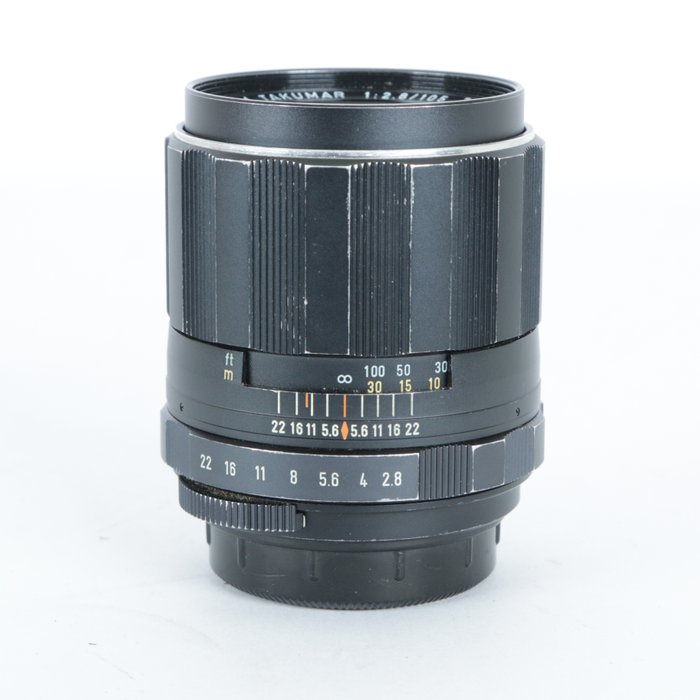
105mm F 2.8 Super Multi Coated Smc Takumar

Okay, let's talk lenses. Specifically, let's chat about a certain vintage hunk of glass that's got folks swooning: the 105mm f/2.8 Super Multi Coated Smc Takumar. I know, the name alone sounds like a spell from a forgotten wizarding text.
But here's my confession. Prepare yourselves. I think... maybe... it's a tad overrated.
Sacrilege! You Say?
I know, I know. The internet is practically overflowing with odes to this lens. People talk about its buttery smooth bokeh. They rave about its sharpness. They wax poetic about its "vintage charm." And yes, it is a nice lens.
Must Read
But hear me out. Before you sharpen your pitchforks (or your lens hoods), let's be real. There are other 105mm lenses out there. Plenty. Some are newer. Some are even... gasp... autofocus!
Think about it. You're wrestling with an adapter to get that Takumar magic on your modern camera. You're carefully manually focusing, hoping you nail it. All while that toddler is running circles around you, and the golden hour is ticking away like a time bomb.
The Bokeh Myth
Bokeh. Oh, that beautiful, blurry background. The Smc Takumar has a decent bokeh, I'll give it that. But is it truly revolutionary? Does it single-handedly elevate every photo to artistic masterpiece status? I'm not convinced.
Let's be honest, a lot of the bokeh worship is, well, hype. Slap a shallow depth of field on anything and suddenly it's "art." Meanwhile, the actual subject might be slightly out of focus, or poorly composed. We're all so busy chasing the bokeh dragon, we sometimes forget about the picture itself.
Manual Focus: A Zen Exercise or a Pain?
Some people adore manual focus. They find it meditative. They claim it forces you to slow down and truly connect with your subject. That's great! I'm happy for you. Really.

But for me? Sometimes, I just want to point, shoot, and move on. Especially when I'm trying to capture a fleeting moment, or when I'm dealing with a subject that refuses to stand still. My cat, for example, seems to actively despise being in focus.
The Sharpness Spectrum
The Takumar is sharp. Relatively. For a lens made back when dinosaurs roamed the earth (okay, slight exaggeration). But modern lenses are often sharper. Significantly sharper. We live in a world of pixel-peeping. And those extra megapixels demand sharpness.
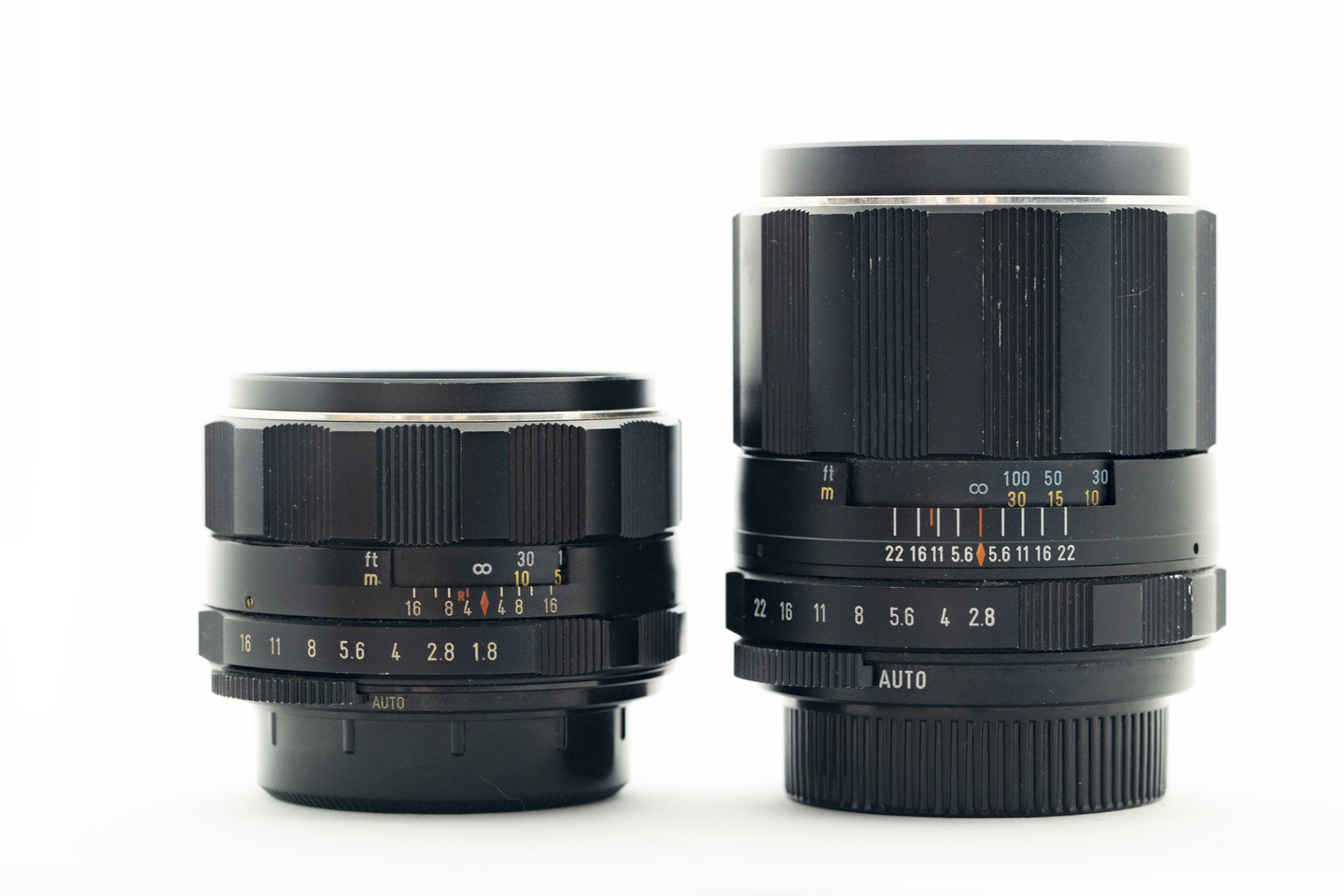
So, while the Takumar’s sharpness is perfectly acceptable, it’s not exactly blowing any modern glass out of the water. Let’s be real. The sharpness hype is nostalgic. It's because it was great at the time. Is it great now? It's passable.
Nostalgia vs. Practicality
Look, I get it. There's a certain charm to using vintage lenses. They connect you to the history of photography. They make you feel like you're channeling the spirit of legendary photographers past. And the Super Multi Coated bit of the name sounds cool, no?
But at the end of the day, a lens is a tool. It's a means to an end. And if that tool isn't practical for your specific needs, then it doesn't matter how much internet hype it has.

Don't get me wrong. The 105mm f/2.8 Smc Takumar is a perfectly capable lens. It can produce beautiful images. But it's not the holy grail of portraiture. And maybe, just maybe, we should all take a deep breath and remember that there are other options out there. Options that might be easier to use, sharper, and ultimately, better suited to our individual styles and needs.
So, before you drop a hefty chunk of change on a vintage Takumar based solely on internet hype, do some research. Try out some other lenses. See what works best for you. And remember, the best lens is the one that helps you create the images you want to create. Not the one everyone else is raving about.
Okay, I'm ready for the backlash.