100 Watts 12 Volts How Many Amps

Ever felt that spark of curiosity when you see a gadget running off-grid, or perhaps dreamt of powering your campsite without a generator? There’s a quiet satisfaction, a real sense of empowerment, that comes from understanding how electricity works, especially when it comes to portable power. It's like unlocking a secret language that lets you bring light to the darkness, cool your drinks in the wilderness, or simply charge your phone when there's not an outlet in sight. This isn't just for electricians or engineers; it's for anyone who loves camping, RVing, boating, or just wants to be prepared for an unexpected power outage. It's about taking control and enjoying the
At its heart, understanding power is about making your life more convenient and resilient. Imagine your car battery, or a portable power station – usually operating at 12 Volts. Now, imagine you want to run something from it, like an LED light strip or a small car fridge. How do you know if your power source can handle it, or how long it will last? This is where our trusty trio of Watts, Volts, and Amps comes into play. These terms might sound intimidating, but they're just different ways of measuring electricity, much like you measure water flow (current/Amps), water pressure (Volts), and the total power of a waterfall (Watts). Knowing these helps you pick the right devices, extend battery life, and most importantly, stay safe.
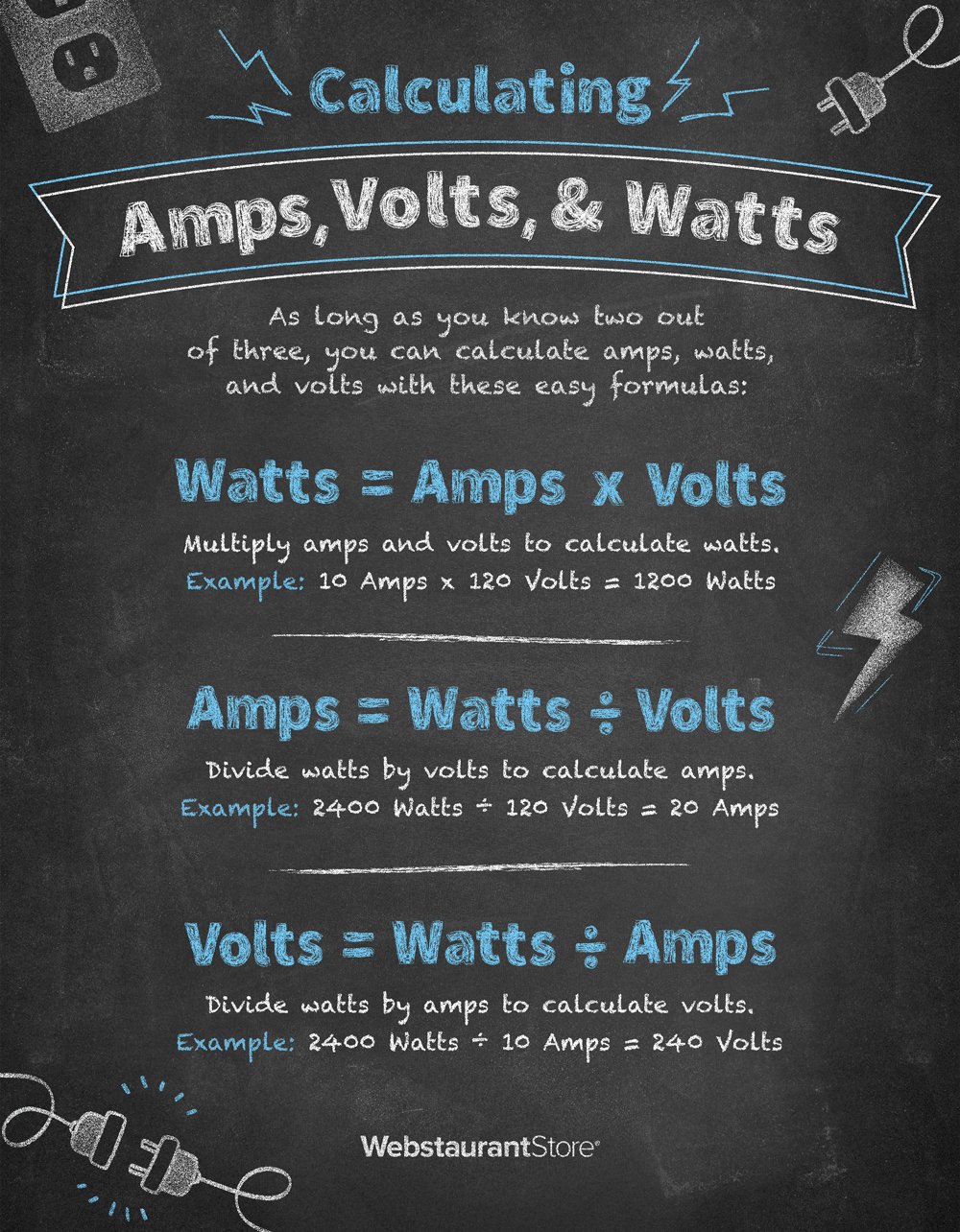
So, let's get to the fun part: 100 Watts 12 Volts How Many Amps? The relationship is beautifully simple, thanks to what's often called the "power formula": Watts = Volts x Amps. To find out the Amps, we just rearrange it: Amps = Watts / Volts. If you have a device that uses 100 Watts of power and you're running it from a 12 Volt source, the calculation is straightforward: 100 Watts / 12 Volts = 8.33 Amps. This number, 8.33 Amps, tells you exactly how much electrical current that 100-watt device will draw from your 12-volt battery or power source. It’s a crucial piece of information for planning your mobile power setup!
Must Read
This knowledge is incredibly practical. For instance, if you're out camping and want to power a 100-watt inverter (which then powers your small laptop charger or camera battery charger), you now know it will draw about 8.33 Amps from your 12V battery. This is vital for calculating how long your battery will last. Common applications include powering small appliances in your RV or campervan, running outdoor lighting, charging multiple devices via a power station, or even setting up a basic solar charging system. It’s also the foundation for sizing fuses – if your device draws 8.33 Amps, you'd want a fuse rated slightly higher, say 10 or 15 Amps, to protect your system from overcurrent.
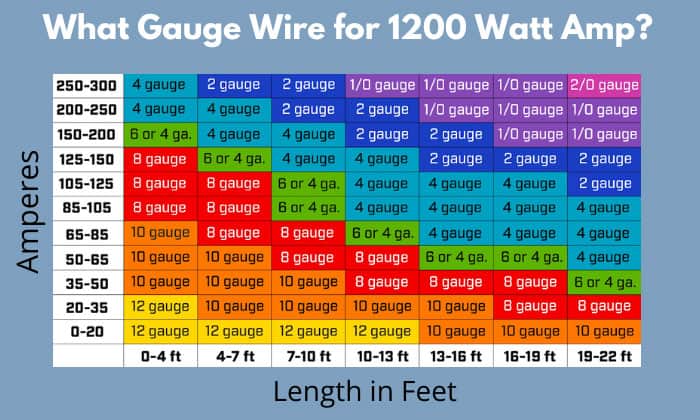
To enjoy your portable power adventures more effectively and safely, here are some tips. First, always factor in safety. Understand the current draw (Amps) of your devices and use appropriate wire gauges and, critically,