10 Mm Drill Bit In Standard
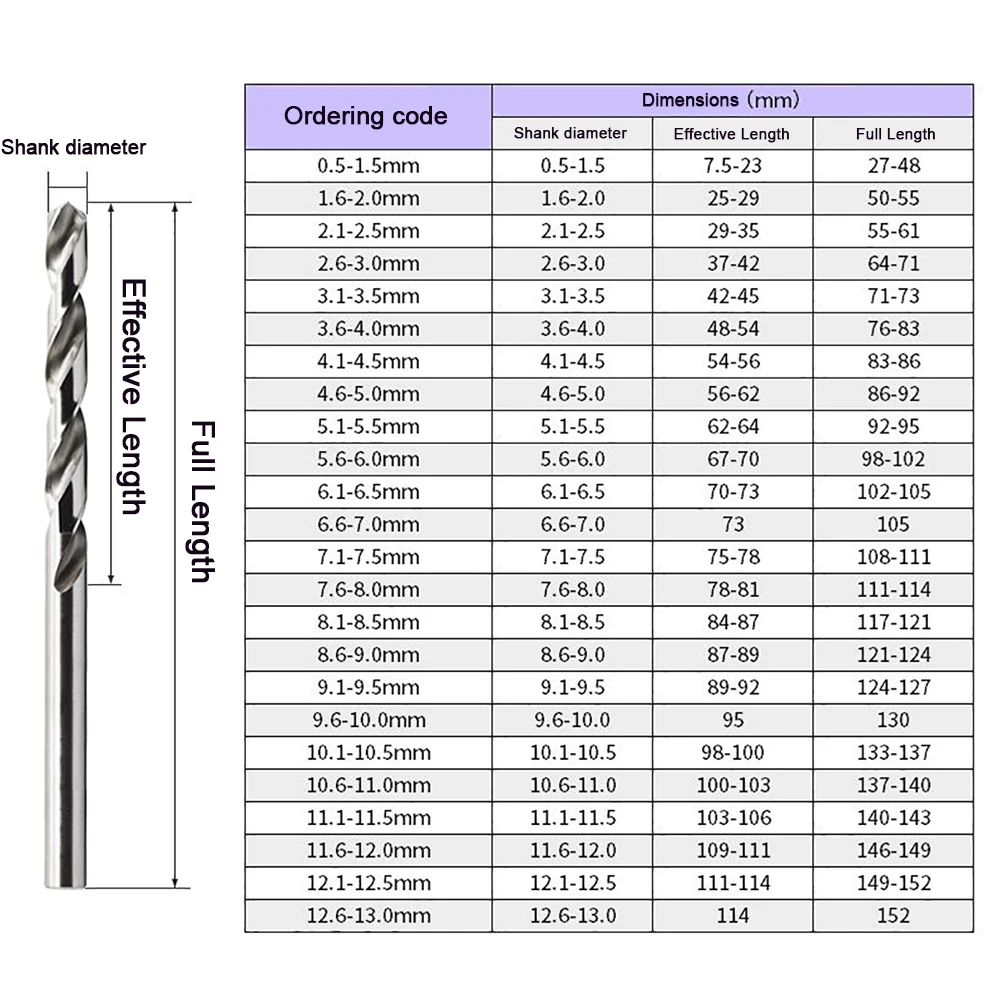
Alright, my DIY-loving, tool-curious friend! Let's talk about something that might sound a little dry, but trust me, it’s got more quirks than your Uncle Steve's old shed: the 10mm drill bit and its place in the world of "standard" measurements. Ever stared at a drill bit package, scratched your head, and thought, "Wait, is this even a thing in my toolbox?" You're not alone, buddy!
The Star of Our Show: The 10mm Drill Bit
So, what is a 10mm drill bit? Well, it's pretty straightforward, actually. A 10mm drill bit is a drill bit that, you guessed it, measures 10 millimeters across its cutting diameter. It's a fantastic, versatile size – not too big, not too small – perfect for a huge variety of tasks. Think drilling holes for cabinet hinges, dowels, general fastening, or even creating pilot holes for larger bolts. It’s a real workhorse!
The "mm" part tells you we're firmly in the land of the metric system. This is the global standard, used by most of the world (including most manufacturers of, well, everything!). It's neat, tidy, and based on powers of ten. Easy peasy lemon squeezy.
Must Read
The Plot Twist: "Standard" Confusion!
Now, here's where the fun begins, or maybe the mild head-scratching. When folks in places like the USA (and sometimes older generations in other countries) talk about "standard" measurements, they're often referring to imperial measurements – you know, inches, feet, yards, and all their fractional friends like 1/8, 1/4, 3/8, etc. It’s like two different languages speaking about the same thing!
So, is a 10mm drill bit "standard"? Yes, absolutely! It’s a standard size within the metric system. The confusion only pops up when you try to jam it into an imperial-centric view of "standard." Think of it this way: 10mm is like saying "Bonjour" (a perfectly standard greeting in French), but someone only understands "Hello" (a perfectly standard greeting in English). Both are standard, just in different systems!
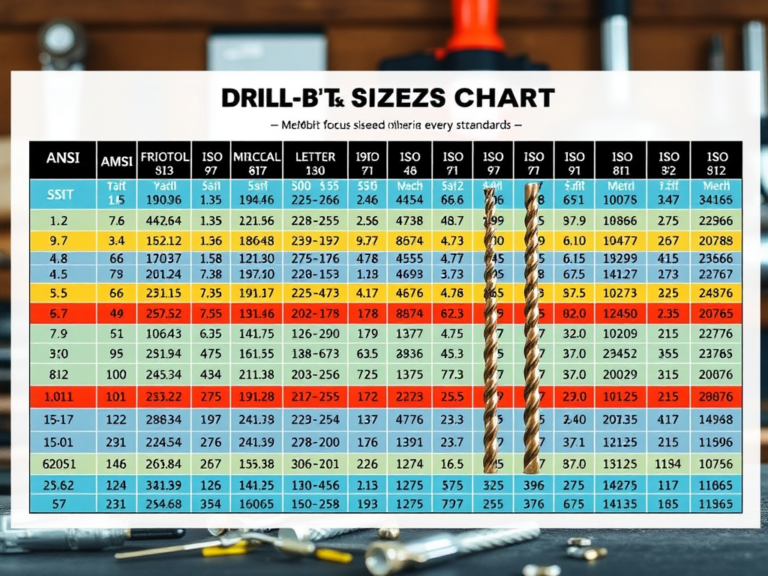
The Imperial Look-Alikes: Who's the Closest Cousin?
If you're looking for an imperial drill bit that's super close to 10mm, you're usually thinking about the 3/8 inch drill bit. Let's do a quick, painless bit of math (don't worry, no pop quiz!).
- 10 millimeters = approximately 0.3937 inches.
- 3/8 inch = 0.375 inches.
See? They're super close! The 10mm is just a smidge bigger than 3/8 inch. We're talking about a difference of less than 0.02 inches. For many general tasks, this difference might not even matter. If you need a snug fit for a 10mm dowel, a 3/8 inch bit might be a hair too small, but it could work in softer materials. For anything requiring precision, always use the correct metric bit if your design calls for it.
Another imperial size that sometimes comes up is 13/32 inch, which is 0.40625 inches. That's actually a tiny bit larger than 10mm. So, depending on what you're trying to fit, you might pick one over the other. It's like Goldilocks and the three bears, but with drill bits!

Why Does This Matter to Your Awesome DIY Projects?
Understanding this metric vs. imperial dance is crucial for a few reasons:
- Buying bits: You want to buy the right bit for the job!
- Following plans: If your IKEA furniture instructions (bless their metric hearts!) say 10mm, grab a 10mm. Don't eyeball it with a 3/8 inch if you want that joint to be just right.
- Swapping out parts: Replacing a bolt or dowel? Match the hole size!
My advice? Always double-check what measurement system your project or fastener is using. When in doubt, grab a caliper (they're super handy and not just for mad scientists!) and measure your existing hole or the thing you want to put in it. Or, if you're really stumped, just buy both the 10mm and its imperial closest friend. More tools, more fun, right?

Putting Your 10mm (or its Imperial Pal) to Work!
Whether you've got a true 10mm drill bit or you're making do with a trusty 3/8 inch, remember a few golden rules for drilling:
- Match your material: Wood bits for wood, metal bits for metal, masonry bits for, you guessed it, masonry!
- Speed control: Slower for harder materials, faster for softer.
- Safety first!: Always wear eye protection. Seriously, your peepers are priceless.
- Secure your work: Don't try to hold that wobbly plank with one hand while drilling with the other. Clamp it down!
The Uplifting Conclusion!
So there you have it! The mysterious case of the 10mm drill bit and its "standard" status, unraveled! It's a fantastic, standard metric size, and its imperial buddies are always there for a close approximation. Don't let these little measurement quirks intimidate you. Instead, let them empower you! Every time you learn a new little tidbit like this, you're becoming a more confident, more capable DIYer. You're tackling projects, building things, and making your space uniquely yours.
The world of tools and making is full of these small, fascinating details, and understanding them just adds to the joy. So go forth, my friend, drill those holes with confidence, embrace the metric marvelousness, and remember that every successful cut, every perfectly drilled hole, is a little victory. Keep learning, keep building, and most importantly, keep smiling! You've got this!