
10 Gauge Wire For 30 Amp Breaker
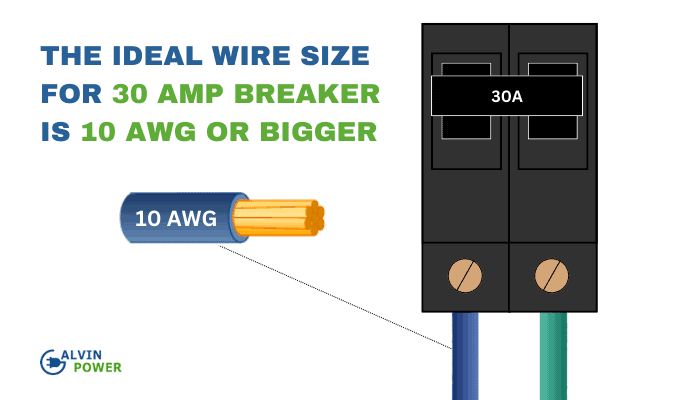
Ever peeked behind the scenes of your home's electrical system? Probably not, right? It's usually a "set it and forget it" kind of deal. But there's some seriously cool engineering happening in those walls, quietly making your life easier and safer. Today, let's pull back the curtain on a specific pairing that might sound a bit technical but is actually super interesting: 10 gauge wire for a 30 amp breaker.
Sounds a bit like secret agent code, doesn't it? "Agent Ten Gauge, report to Breaker Thirty!" But trust me, understanding this little duo can give you a new appreciation for the unseen heroes powering your life.
What's a "Gauge" Anyway? (Hint: It's Not About How You Feel!)
Let's start with the wire. When we talk about "wire gauge," we're essentially talking about how thick the wire is. Think of it like this:
Must Read
- A really skinny garden hose (high gauge number, like 18 gauge) can only handle a little bit of water flow.
- A big, chunky fire hose (low gauge number, like 10 gauge) can handle a lot!
So, a 10 gauge wire is a pretty robust, substantial conductor. It's designed to carry a good amount of electrical current without getting all hot and bothered. The lower the number, the thicker the wire, and the more current it can safely handle. Simple enough, right?
And What About "Amps"?
"Amps" (short for amperes) measure the rate of electrical current flow. Imagine that water hose again: if gauge is the hose's thickness, amps are like how much water is actually gushing through it at any given moment. More amps mean more electricity flowing.

Your various appliances demand different amounts of amps. A light bulb sips electricity, while an electric dryer or a water heater gulps it down.
The Mighty Breaker: Your Electrical Superhero
Now, for the "30 amp breaker." This little marvel lives in your electrical panel, diligently standing guard. Its job is simple but critical: if too much electricity (too many amps!) tries to flow through a circuit, the breaker says, "Whoa there, cowboy!" and trips. It cuts off the power instantly, preventing overheating, potential fires, and damage to your precious electronics.
Think of the breaker as a bouncer at a club, making sure only the right number of people (amps) get in. If too many try to rush through, the bouncer temporarily shuts down the entrance.
Why 10 Gauge for a 30 Amp Breaker is Such a Sweet Deal
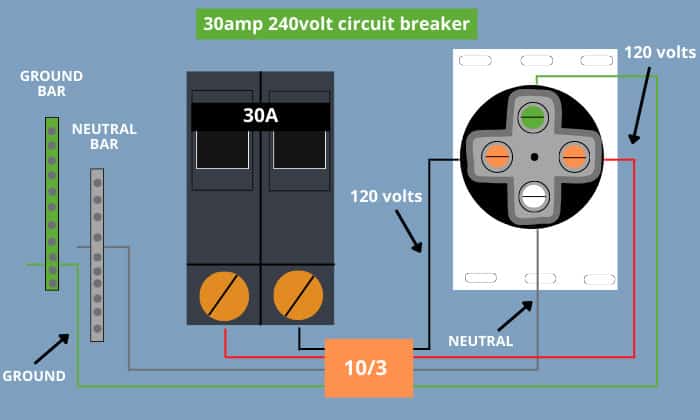
Here's where it gets cool. Electrical codes (and common sense) tell us that a 30 amp circuit requires at least 10 gauge wire. You might wonder, "Why not something smaller if it's 'just' a 30 amp circuit?"
Well, using a smaller wire, like 12 gauge, for a 30 amp breaker would be a big no-no. It would be like trying to push a fire hose's worth of water through a garden hose – pure chaos, pressure buildup, and eventually, a burst hose (or worse, a fire!). The wire would heat up dangerously, and while the breaker would eventually trip, it might not be fast enough to prevent damage or fire risk over time.
So, 10 gauge wire is the absolute minimum safe size for a 30 amp circuit. But here's the fun part: it's also a bit of an overachiever!
The Magic of Headroom: Why It's Cool
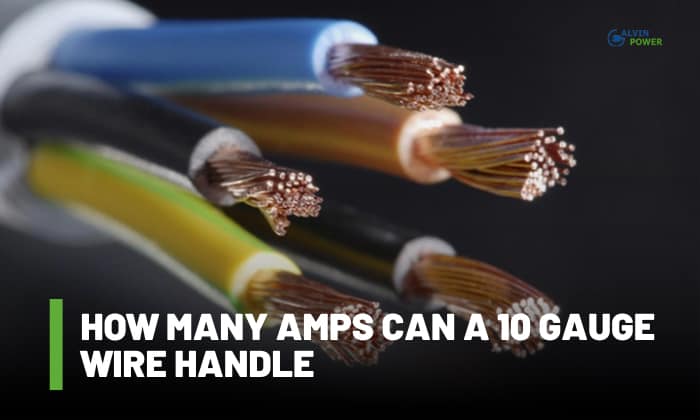
You see, 10 gauge wire is actually capable of handling more than 30 amps – typically up to around 30-40 amps, depending on specific conditions and codes. So, when you pair it with a 30 amp breaker, you're giving your system some glorious headroom.
Why is that cool?

- Extra Safety Net: It's like building a bridge that can hold 50 tons, even though the heaviest truck crossing it will only be 30 tons. You've got a fantastic margin of safety. This makes your electrical system incredibly robust and less prone to heating issues.
- Efficiency Boost: Thicker wires have less electrical resistance. Less resistance means less heat generated when electricity flows, and less wasted energy. While the savings might not be dramatic on your power bill, it means your system is running cooler and more efficiently. Think of it as a smooth highway for electrons, rather than a bumpy dirt road.
- Peace of Mind: Knowing that your electrical setup is not just up to code, but actually a bit over-engineered for safety and performance, is a great feeling. It’s like wearing slightly oversized shoes for ultimate comfort – no pinching, no blisters, just happy feet (or, in this case, happy electrons!).
Where Do We See This Power Couple At Work?
This dynamic duo, the 10 gauge wire and 30 amp breaker, is responsible for powering some of the hardworking appliances in your home:
- Electric Water Heaters: Often draw a significant amount of power.
- Electric Dryers: These hungry beasts need a dedicated, robust circuit.
- Smaller Level 2 EV Chargers: Some electric vehicle chargers fit perfectly into this category, giving your car a speedy refuel.
- Dedicated Workshop Circuits: If you've got power tools that draw a bit more juice, a 30 amp circuit with 10 gauge wire is your friend.
- Small Subpanels: Sometimes, this pairing might feed a small subpanel in a garage or shed, distributing power to several smaller circuits.
So, the next time you're tossing clothes into the dryer or enjoying a hot shower, take a moment to appreciate the silent, sturdy work of the 10 gauge wire and 30 amp breaker. They're a testament to smart design, prioritizing safety and efficiency in ways we rarely think about.
It's not just wires and breakers; it's the carefully chosen components that keep our modern lives humming along. Pretty cool, right?