
10 000 Mah Means How Many Hours
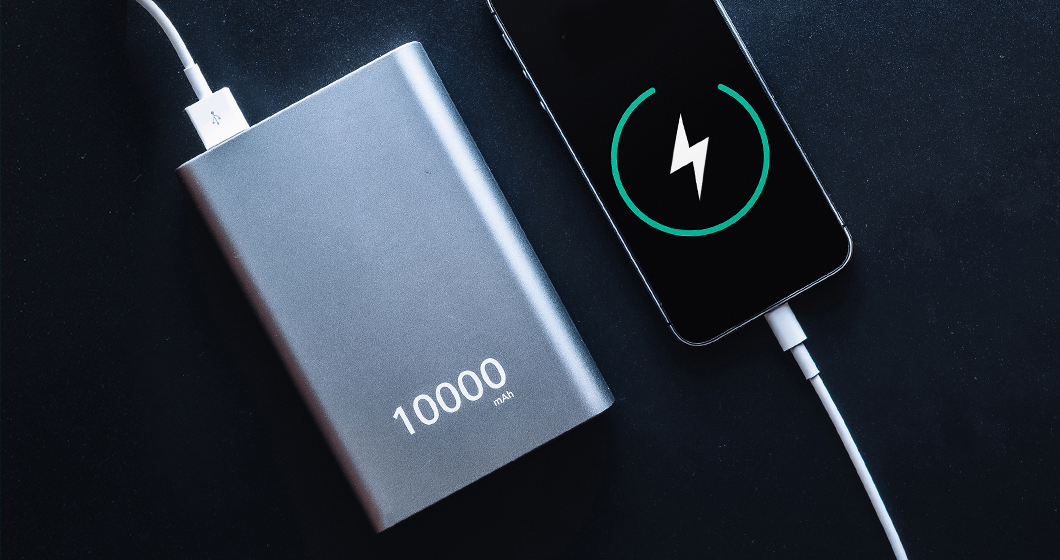
Ever stared at a power bank, a massive 10,000 mAh beast, and wondered, "How many hours of phone life is THAT?" It's a common tech mystery, right up there with "why is my Wi-Fi always slower when I really need it?"
You're not alone! It feels like a trick question. You’ve got this cool gadget, brimming with digital energy, but translating those cryptic "mAh" numbers into actual, tangible hours of Netflix or TikTok scrolling? That's where things get delightfully fuzzy. Let's clear up the fog, shall we?
The Big Secret: There's No Single Answer! (Surprise!)
Yep, I know, I know. A bit of a spoiler. But stick with me, because understanding why there's no single answer is actually super fun and totally empowering. It’s like knowing the secret handshake to the battery club.
Must Read
Think of mAh – that's milliampere-hour – as the size of the gas tank in your battery. A bigger number means a bigger tank. A 10,000 mAh power bank has a tank big enough to, well, hold a lot of juice. Your phone might have a 3,000 mAh tank, for comparison. So, a 10,000 mAh power bank is clearly a whole lot more!
But here's the kicker, and this is where the fun begins: Knowing your tank size doesn't tell you how many miles you'll drive. Why? Because you need to know how much gas your car uses per mile, right? Same idea with batteries. Your device’s appetite matters!
Enter the Voltage Vibe: Why Watts Rule!
This is where things get a tiny bit techy, but in a totally digestible, cool-fact way. To figure out how much actual energy a battery holds, we need to bring voltage into the party. Most power banks output at 5 volts (V) when charging your phone. Your phone's internal battery is probably around 3.7V. Confusing? Not for long!
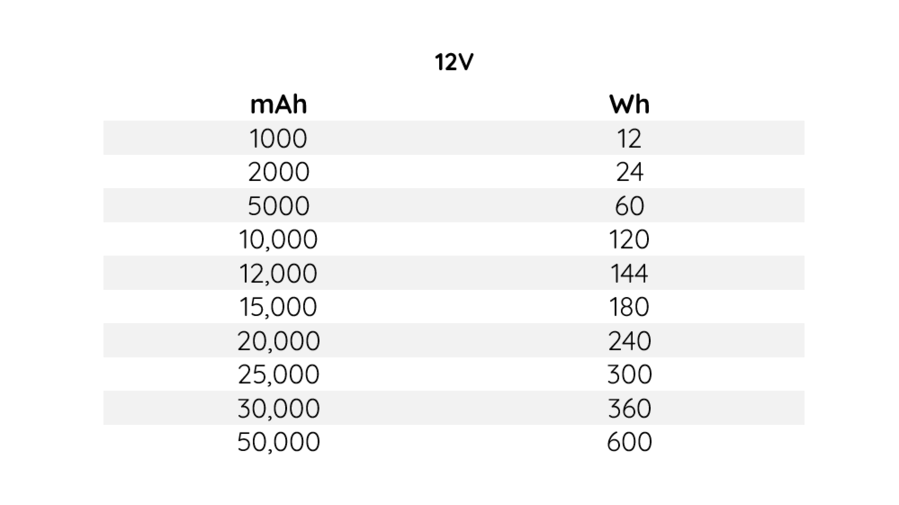
The real measurement of energy, the total power available, is in Watt-hours (Wh). And here's the super simple (but important!) formula: mAh x Volts ÷ 1000 = Wh. (We divide by 1000 because "milli" means a thousandth, so we convert milliamp-hours to amp-hours first). It's like converting ounces to gallons!
So, a 10,000 mAh power bank, typically outputting at 5V, has approximately: 10,000 mAh x 5V ÷ 1000 = 50 Wh. Ta-da! That's the true energy stored in your power bank. This is your "total miles potential" number.
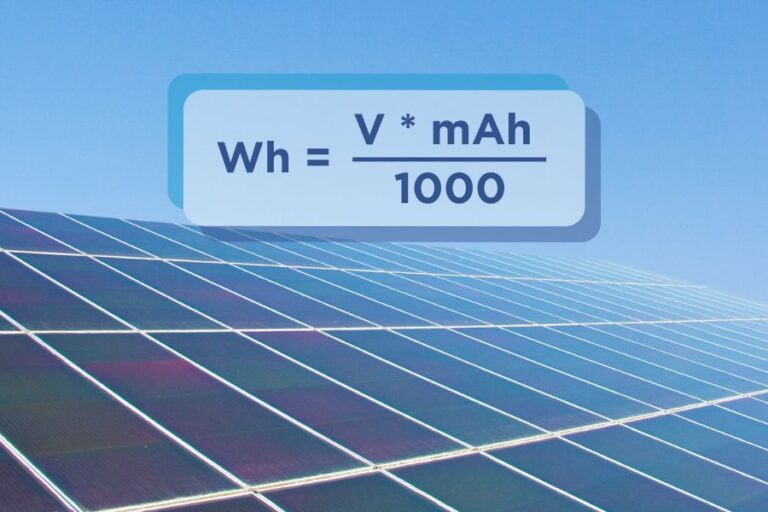
Now, let's look at your phone. If your phone has a 3,000 mAh battery at 3.7V, it holds roughly: 3,000 mAh x 3.7V ÷ 1000 = 11.1 Wh. See? Now we're comparing apples to apples: 50 Wh from the power bank vs. 11.1 Wh in your phone. Instantly, you can see you're getting a little over 4 full charges (50 / 11.1 ≈ 4.5) for your phone! Isn't that neat? It’s like having a big jug of water and knowing exactly how many smaller bottles you can fill from it!
The Great Energy Escape: Why Reality Bites (But It's Still Fun!)
Okay, so that 4.5 charges sounds fantastic, right? But here's the funny, slightly annoying truth: you'll never get that exact number in real life. Why? Because the universe, or rather, the laws of physics and a bit of mischievous engineering, demand a tribute! We call it efficiency loss.
Think of it like pouring water from one glass to another. Some always spills, right? Batteries are the same. When you charge your phone, energy is lost as heat. The cable itself eats a tiny bit. The charging circuitry in both the power bank and your phone consumes some power just to do the charging. So, that 50 Wh from your power bank might only deliver about 70-85% of its energy effectively to your phone. Let's say it's 80%. Now our 50 Wh becomes 40 Wh (50 Wh x 0.80 = 40 Wh).

So, 40 Wh effective energy divided by your phone's 11.1 Wh means you're now looking at closer to 3.6 full charges. Still awesome for a 10,000 mAh power bank, but less than our initial, theoretical 4.5. It's like the battery fairy taking a tiny sip before the power gets to you!
And then there's your phone's hunger! Is it just sitting there, screen off? Or are you streaming 4K video, playing a graphics-intensive game, and simultaneously running GPS? Each activity drains your phone's battery at a different rate. The "hours" depend entirely on how you're using your device. If your phone is running demanding apps while charging, it's drinking from both the charger and its own internal tank simultaneously! That's like eating a snack while someone's filling your plate.
Other fun factors? An older phone battery might not hold a charge as well. Extreme temperatures can affect performance (ever notice your phone battery dying faster in the cold?). It's a whole quirky ecosystem of energy, constantly in flux!

So, What's a Human to Do? Inspire Curiosity, Not Worry!
Don't let the nuances scare you! The big takeaway is that more mAh is always better. A 10,000 mAh power bank is a solid choice for topping up most smartphones two to three times, easily. Perfect for a long day out, a weekend trip, or surviving a power outage when the lights go out.
When you're shopping for a power bank, don't just look at the mAh. Try to find the Watt-hour (Wh) rating, which is often printed in tiny letters on the back. It gives you a much clearer picture of its true capacity, especially if you're comparing different brands or types. And always remember: a good quality cable matters too! It's the superhighway for all that precious energy.
Ultimately, understanding these little quirks of battery life isn't about becoming an electrical engineer. It's about knowing enough to make smart choices, appreciate the tech that powers our lives, and maybe even impress your friends with some cool battery trivia. Who knew "mAh" could be so exciting? Now go forth and charge with confidence, you savvy tech explorer!