1 8 Welding Rod 7018 Amperage
Ever gazed at a sturdy metal structure and wondered how those pieces are joined with such incredible strength? Or perhaps you've tinkered with your own projects, knowing the satisfaction of creating something solid with your own hands? That's the magic of welding! And if you're going to dive into this empowering craft, or just want to understand one of its unsung heroes, then getting to know the 1/8" 7018 welding rod and its dance with amperage is absolutely essential. It’s like knowing the right ingredients and oven temperature for a perfect cake – it makes all the difference!
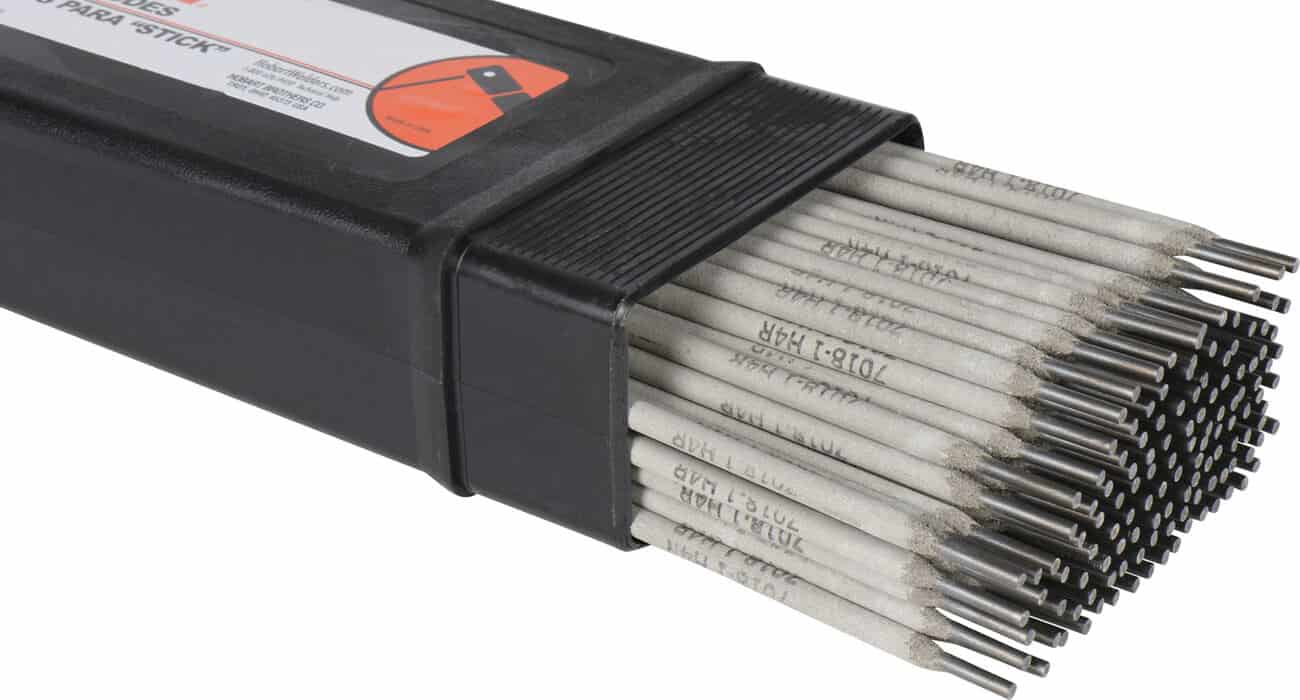
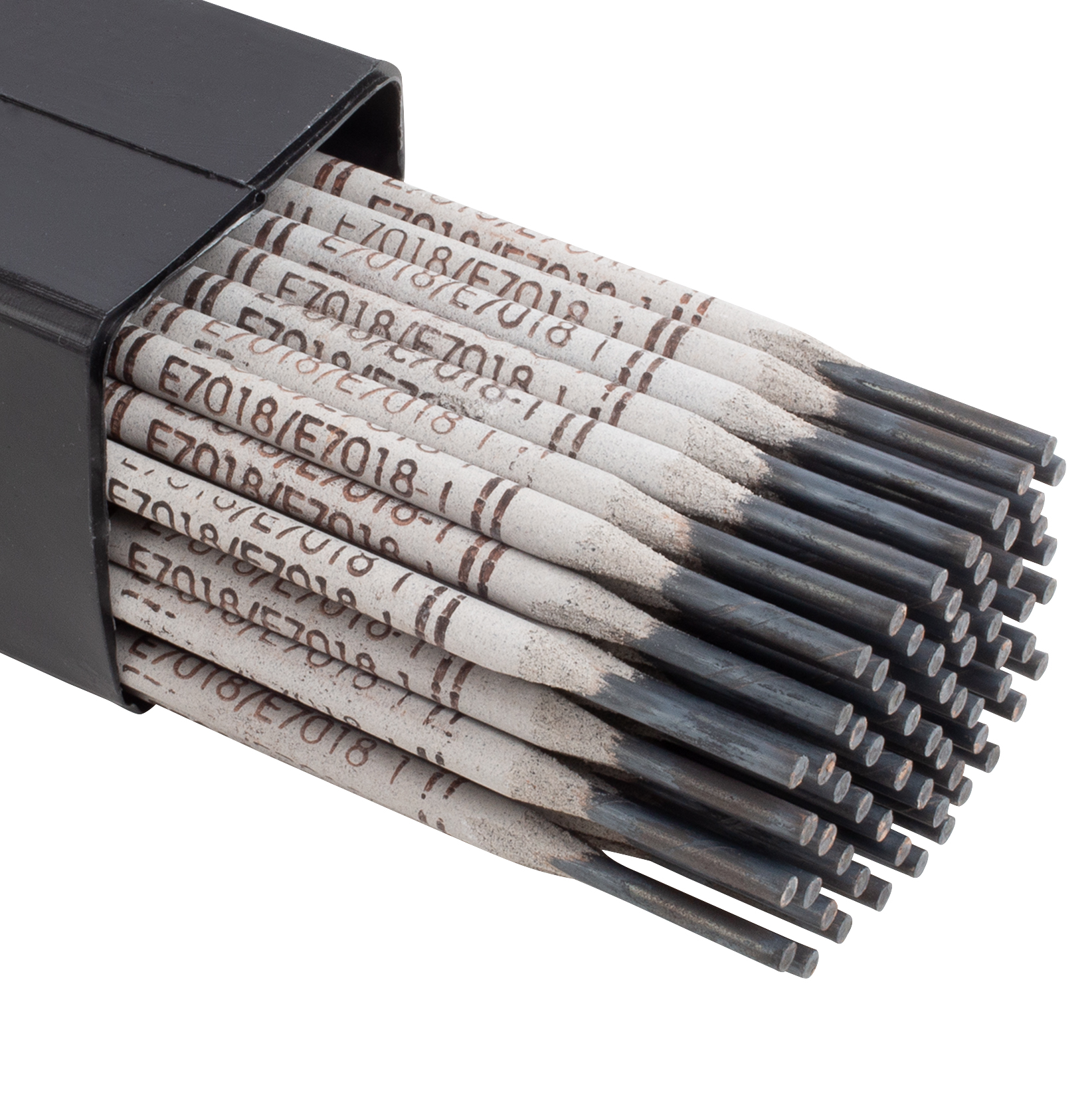
The 7018 welding rod is often considered the "workhorse" or "Cadillac" of stick welding electrodes, and for good reason. Its primary purpose is to lay down welds that are incredibly strong, ductile, and resistant to cracking, even in critical applications. This is thanks to its "low hydrogen" flux coating, which minimizes impurities that can weaken a weld. When you're building something that needs to hold up under stress – think heavy machinery, structural beams, or pressure vessels – the 7018 is your go-to. The 1/8-inch diameter is particularly popular because it’s incredibly versatile, striking a great balance between deposition rate and control for a wide range of projects, from hobbyist fabrications to professional repairs.
But even the best rod is only as good as the welder's setup, and that’s where amperage comes into play. Think of amperage as the accelerator pedal for your welding machine. It controls the amount of heat generated at the arc. Too little heat, and your weld will be cold, lumpy, and won't penetrate properly into the base metal. You'll struggle with arc starts, and your bead will look like a stack of cold dimes. This leads to a weak, unreliable joint – the exact opposite of what you want!
Must Read
On the flip side, too much amperage is equally problematic. It’ll lead to excessive spatter, an unstable arc, and could cause undercut (a groove melted into the base metal next to the weld bead) or even burn-through, especially on thinner materials. You’ll lose control of the weld puddle, and the resulting joint might be porous or weak due to overheating. Finding that sweet spot for amperage is truly the key to unlocking the 7018's full potential.
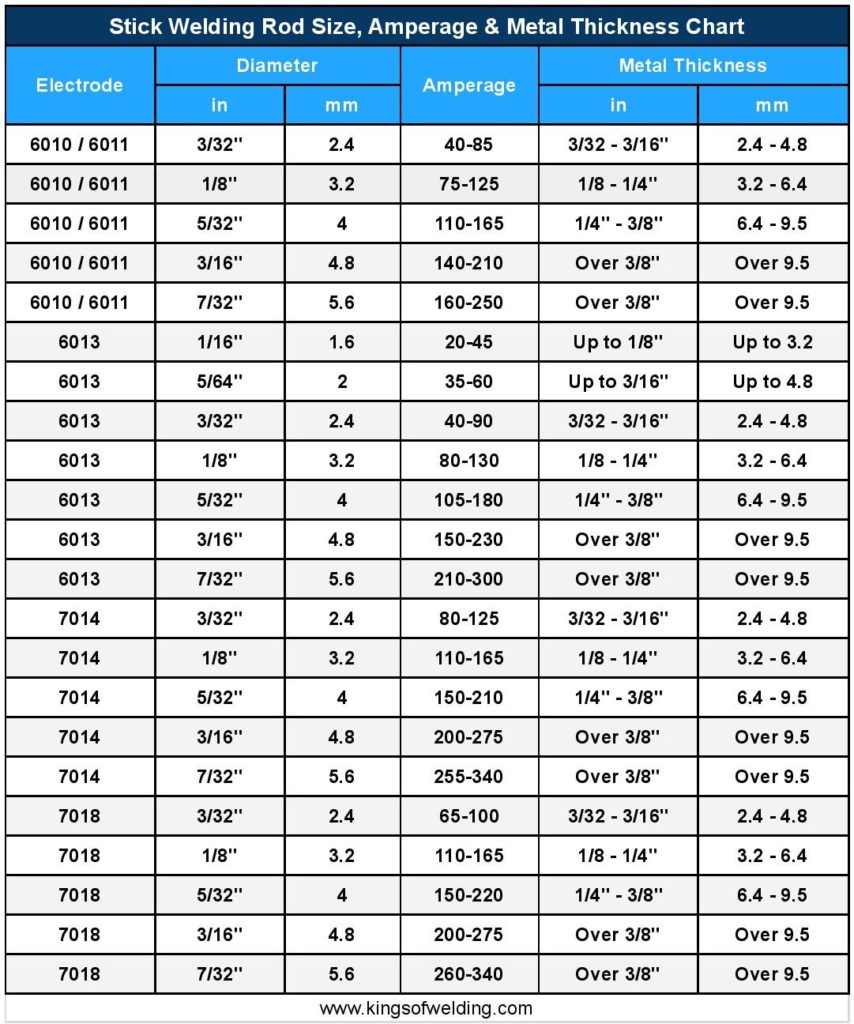
For a 1/8" 7018 rod, a good starting point for amperage is typically somewhere between 100 and 150 amps. However, this isn't a hard-and-fast rule. Factors like the thickness of the metal you're welding, the joint configuration, the welding position (flat, vertical, overhead), and even your specific welding machine can influence the ideal setting. The best approach? Start in the middle of that range, maybe around 120-130 amps, and then fine-tune it. Listen to the arc – it should sound like bacon sizzling steadily. Watch the puddle – it should be fluid and wet, spreading evenly, with good penetration into the joint. Practice on scrap metal, making small adjustments until you achieve that perfect, smooth, consistent bead that makes you proud. Mastering the 7018 with the right amperage will elevate your welding game and give you the satisfaction of truly strong, beautiful welds every time!