
1 2 Hp Garage Door Opener Watts
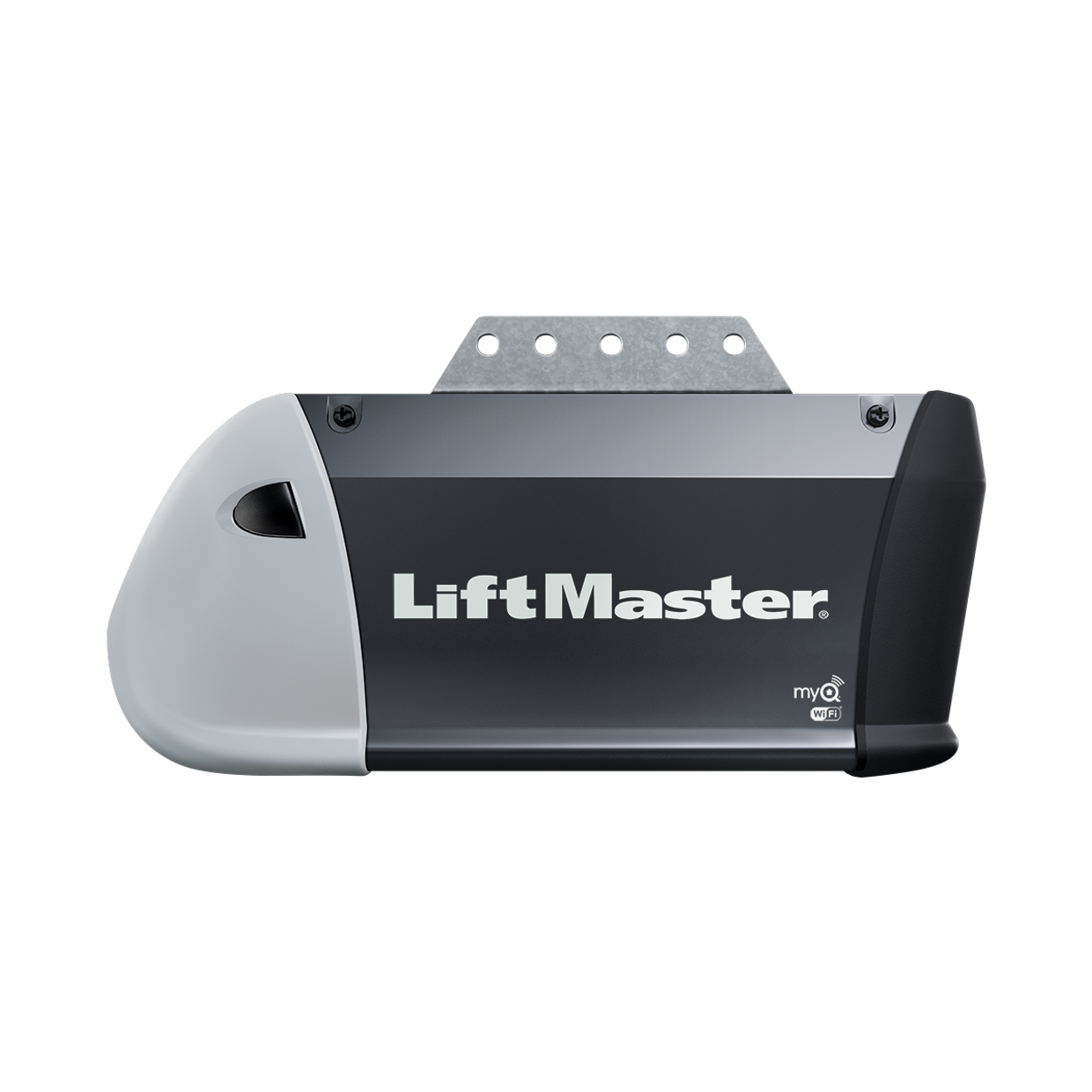
Ever stopped to think about that big, often ignored machine quietly living above your garage door? You know, the one that magically lifts and lowers tons of metal and wood with just the push of a button? It’s a bit of an unsung hero, isn't it?
Today, let's pull back the curtain on something that might sound a little techy but is actually pretty cool: the 1/2 HP garage door opener and its mysterious "watts." Don't worry, we're keeping it chill. No advanced physics degrees required, just a friendly chat about why this everyday gadget is more interesting than you might think.
What’s with the "HP"?
First up, "HP." That stands for horsepower. Yeah, like the actual horse. Back in the day, before fancy machines, horses did a lot of the heavy lifting. So, engineers came up with a way to measure mechanical power by comparing it to how much work a horse could do.
Must Read
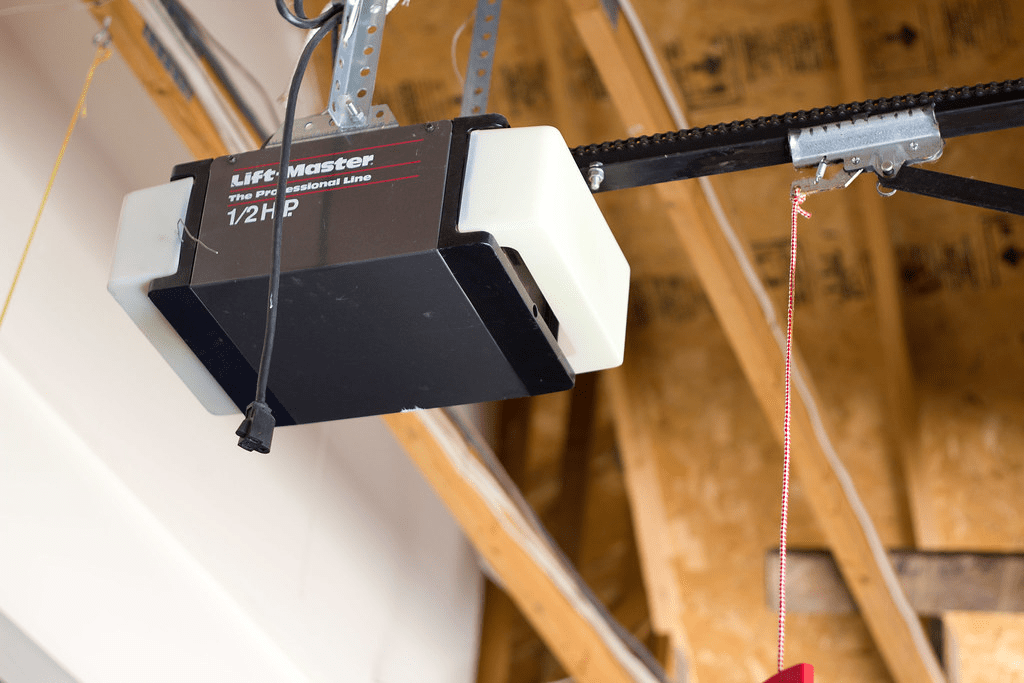
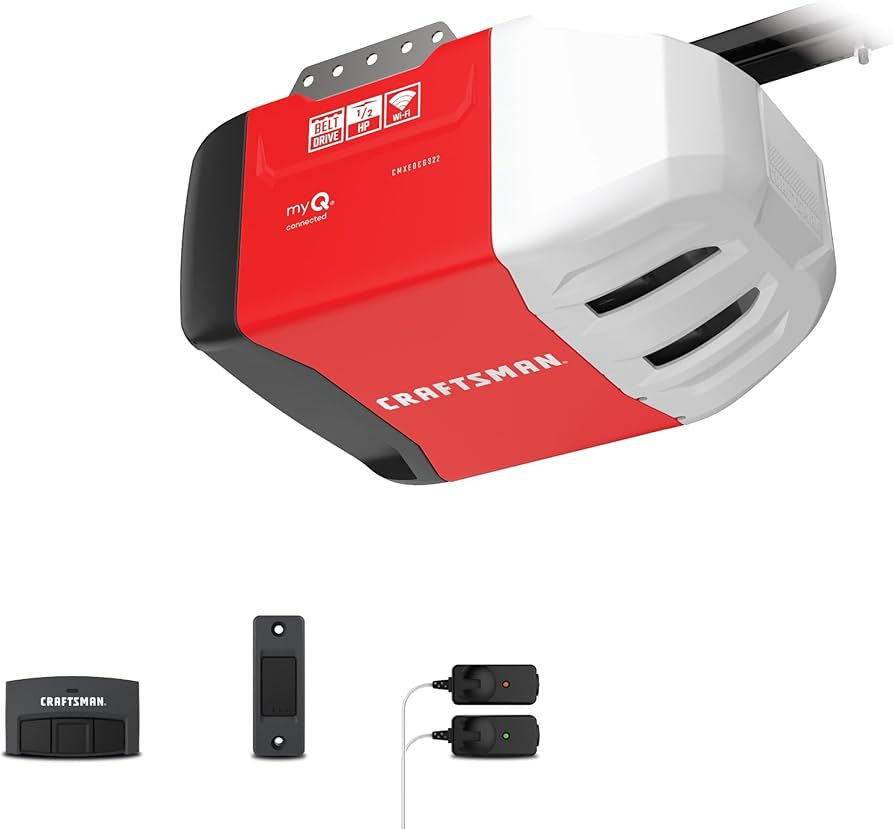
A 1/2 HP garage door opener means it has the equivalent lifting power of, well, half a horse. Sounds a bit small for something that moves a huge garage door, right? But here's the thing: modern engineering is pretty clever. That 1/2 HP is usually more than enough for most residential garage doors, which typically weigh anywhere from 100 to 300 pounds. Think of it like a tiny, super-strong robot butler dedicated to your garage door's every whim.
It’s all about leverage and smart design. The opener isn't just brute-forcing the door up; it's using a system of springs, chains, or belts to assist, making that 1/2 HP incredibly effective. It's like how a small motor can move a car if it's geared correctly. Pretty neat, huh?
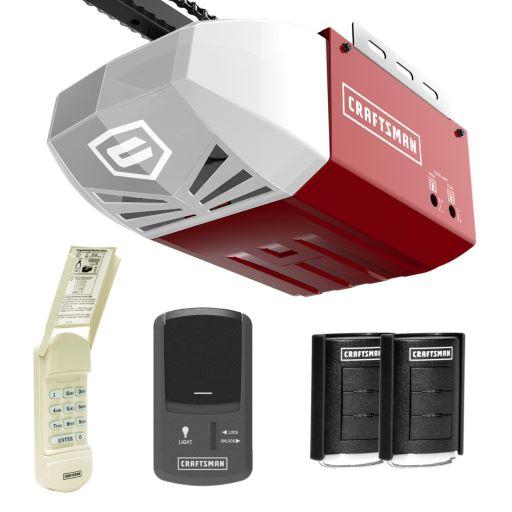
And the "Watts"? What Are Those?
Now, for the "watts." While horsepower tells you about the mechanical output – how much oomph the motor has to lift – watts tell you about the electrical input. In simpler terms, watts measure how much electricity your garage door opener is drinking from the wall outlet.
Think of HP as the muscle power and watts as the food it eats. They're related, but they describe different things. We often talk about light bulbs in watts (a 60-watt bulb), or a microwave (maybe 1000 watts). So, where does your garage door opener fit in?
Is It an Energy Hog?
This is where it gets interesting. When your 1/2 HP opener is actively lifting or lowering the door, it typically uses anywhere from about 200 to 800 watts. That's a pretty wide range, we know! It depends on the specific model, the weight of your door, how well-lubricated it is, and even the ambient temperature.
To put that in perspective:
- Your toaster might hit 1200 watts for a couple of minutes to make your breakfast.
- A powerful hair dryer can use 1800 watts or more.
- Even a standard vacuum cleaner sucks up around 1000-1500 watts while you're cleaning.
So, when your garage door opener is working, it's not the most power-hungry appliance in your house by a long shot. Plus, how many times a day do you actually open and close your garage door? A few times? It's usually only active for about 10-15 seconds per cycle.
The Standby Sipper
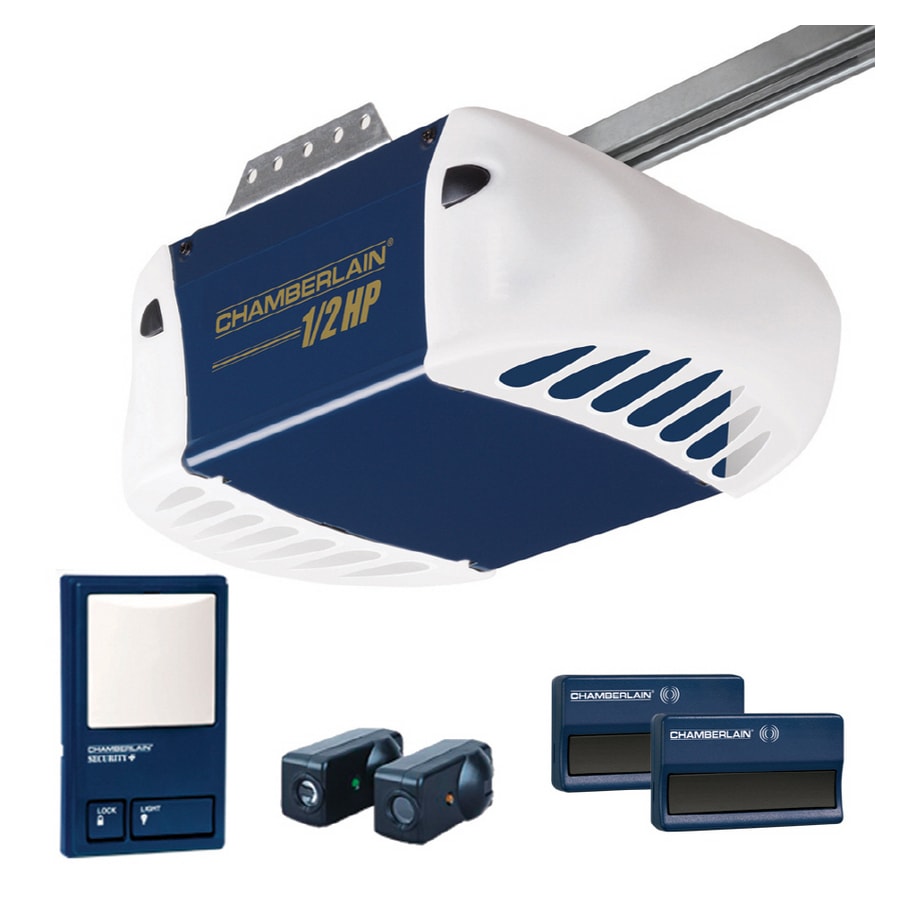
Here’s the really cool part for your electricity bill: most of the time, your garage door opener isn't doing anything at all. It's just sitting there, patiently waiting for your command. In this standby mode, it uses a tiny, tiny amount of power – often just 1 to 5 watts. That's less than many phone chargers plugged into the wall and not actively charging a phone!
It needs this minimal power to keep its memory alive, listen for your remote signal, and power its safety sensors. So, no, leaving it plugged in isn't secretly draining your bank account like a vampire in the night. It's a remarkably efficient device.
Why Is This Even Cool?
Beyond the numbers, it’s fascinating to appreciate the engineering behind these machines. Think about it:
- Reliability: They perform their heavy duty, day after day, often for decades, with minimal fuss.
- Safety: Those invisible beams that stop the door if something (or someone) is in the way? Pure magic, powered by those few watts.
- Convenience: From the warmth of your car, a single button press takes care of a weighty task. It's a small luxury we often take for granted.
- Smart Tech: Many modern openers now integrate with Wi-Fi, letting you open your door from anywhere with your smartphone, check its status, or even let a delivery driver in remotely. All while still operating with that fundamental 1/2 HP power.
It’s a testament to how clever design can make a seemingly modest amount of power incredibly effective and versatile. That 1/2 HP isn't just about raw strength; it's about smart strength.
So, What's the Takeaway?
The next time you push that button and your garage door glides open, give a little nod to that unassuming box above. Your 1/2 HP garage door opener is a wonderfully engineered piece of everyday tech. It packs enough punch to handle its big job with surprising grace, sips electricity when idle, and generally just makes your life a whole lot easier.
It’s a great example of how a little bit of power, intelligently applied, can deliver a whole lot of convenience. Who knew such a seemingly mundane device had so much cool stuff going on under the hood?