
Zinc Is A Metal Or Nonmetal
Prepare for a Grand Unveiling!
Have you ever looked at something as seemingly mundane as the shiny coating on a screw or the zinc oxide in your favorite sunblock and wondered about its secret identity? Today, we’re peeling back the curtain on a tiny but mighty element: Zinc.
It’s a question that has puzzled... well, maybe not many, but it’s still super fun to explore! Is Zinc a heavyweight champion, flexing its brawny muscles like a metal, or is it more of a quiet, earthy type, like a nonmetal?
Get ready for a lighthearted adventure into the amazing world of chemistry, where we figure out if Zinc belongs on the sparkly, strong team, or the more mysterious, crumbly squad.
Must Read
Meet the Metallic Superstars!
Let's first get acquainted with the cool kids on the block: the metals. Imagine a rock concert for elements. The metals would be the lead guitarists and the drummers, totally owning the stage!
They are generally super shiny, or as scientists like to say, "lustrous." Think of the dazzling sparkle of a new silver ring or the polished chrome on a fancy car. That's pure metallic glamour!
Metals are also amazing conductors. They let heat and electricity zoom right through them, like a superhighway for energy. This is why cooking pots are metal and electrical wires are often made of copper, a classic metal.
What else? Metals are usually strong and tough. You can hammer them into sheets (that’s "malleable"!) or pull them into long, thin wires (that’s "ductile"!). They don't just shatter into a million pieces when you give them a tap.
They’re the reliable backbone of our world, from towering skyscrapers to tiny circuits in your phone. Truly, these guys are the strong, silent types... well, maybe not so silent when they're making a fantastic clang!
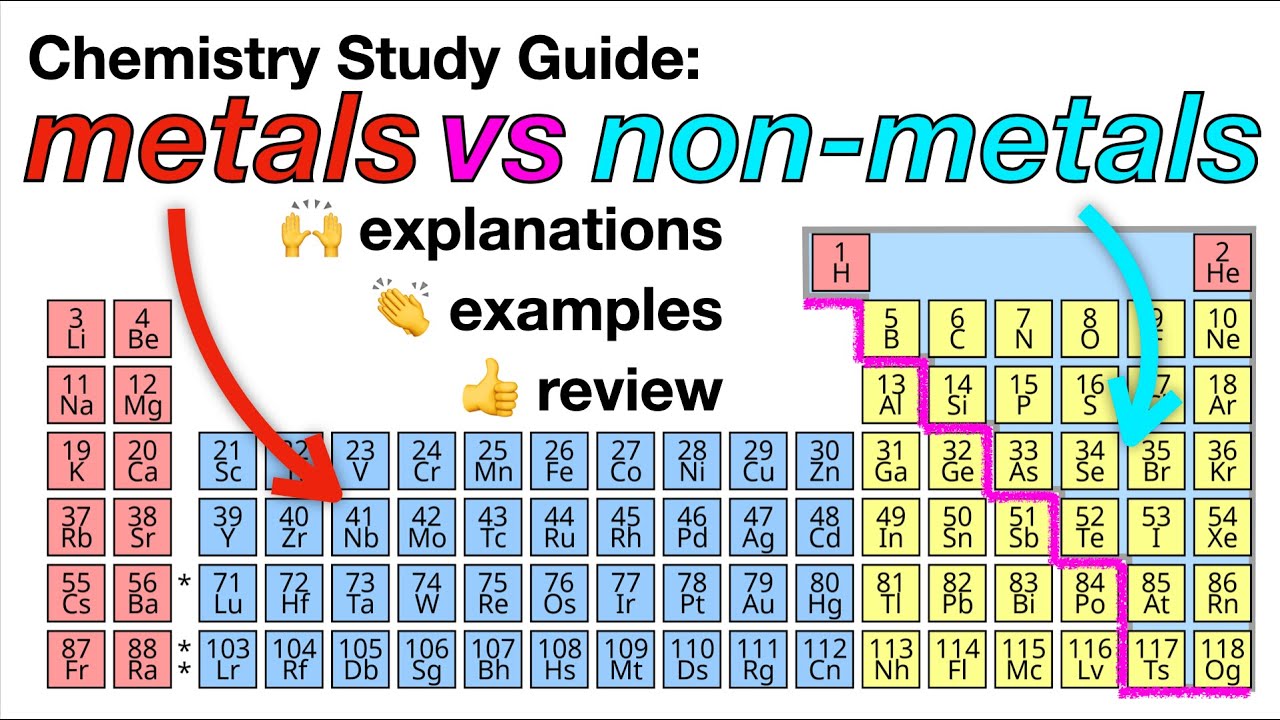
Metals: Shiny, strong, and love to conduct! They’re the VIPs of the element party.
Now, for the Mysterious Nonmetals!
On the other side of the periodic table stage, we have the nonmetals. Don't get us wrong, they're equally important, but they have a completely different vibe.
If metals are the rockstars, nonmetals are perhaps the brilliant poets or the abstract artists of the element world. They don't typically shine; instead, they can be dull, powdery, or even gases.
Think about carbon in the form of charcoal – dark and brittle. Or the air you breathe, which is mostly nitrogen and oxygen, both invisible gases and definitely nonmetals. No sparkle there!
Nonmetals are generally poor conductors of heat and electricity. They're like the traffic cones of the energy world, blocking the flow rather than facilitating it. They’re called "insulators" for a reason!
And when you try to bend or hammer them? Uh oh. Many solid nonmetals are quite brittle, meaning they'll likely just snap or crumble. They’re not really into flexing their muscles; they prefer to just be themselves.

They play crucial roles too, often forming the building blocks of life itself. But they do it in a distinctly non-metallic way, without the flash and the conductivity.
Nonmetals: Dull, often crumbly, and prefer to keep electricity at arm's length!
The Grand Reveal: Where Does Zinc Fit In?
Alright, the moment of truth has arrived! Let's put Zinc under the microscope and see which team it truly plays for. Is it more of a glittering, conducting powerhouse, or a quiet, brittle insulator?
When you see Zinc in its pure form, it certainly has a silvery-blue-white luster. It's not as dramatically shiny as polished silver, but it definitely has that metallic sheen. It looks like it could belong on a spaceship!
And when it comes to conductivity? Zinc is a champion! It happily allows electricity and heat to pass through it, making it super useful in batteries and in coating other metals to protect them.
Can you hammer Zinc into sheets or draw it into wires? Absolutely! It's quite malleable and ductile, especially when warmed slightly. This isn't something a typical nonmetal would tolerate without breaking down.
It has that satisfying solid feel, that density, and that ability to be shaped without crumbling. These are all classic characteristics of our strong and reliable metallic friends.
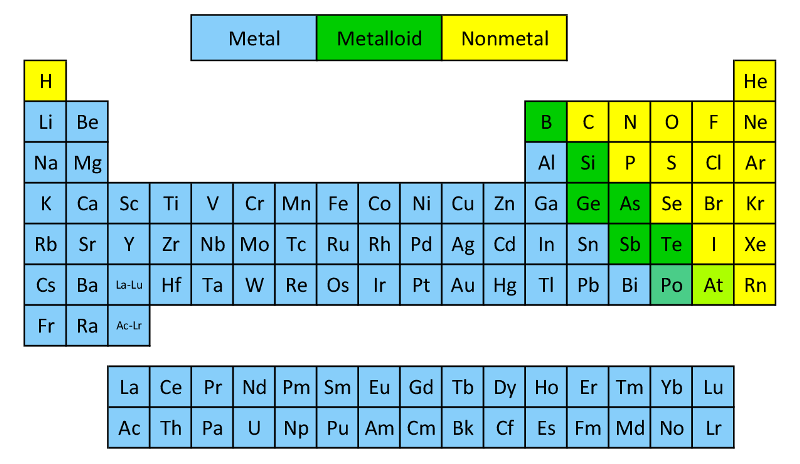
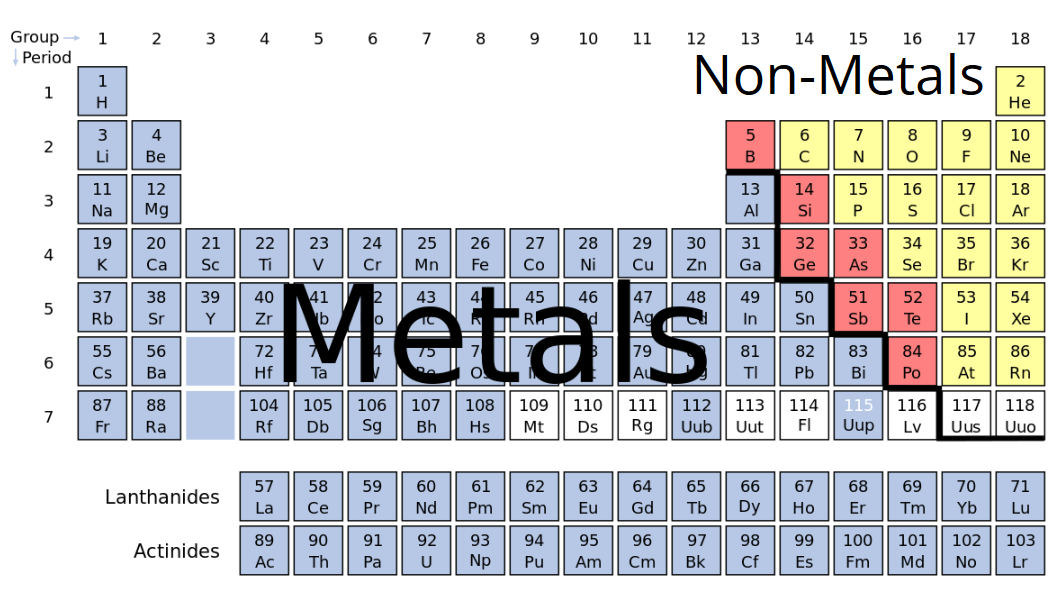
So, the verdict is in, drumroll please... Zinc is undeniably, unequivocally, and spectacularly a metal!
Yes, folks! Zinc has proudly claimed its spot among the shiny, strong, and super-conductive metals!
Why Zinc's Metallic Nature Rocks Our World!
Knowing that Zinc is a metal isn't just a fun fact; it explains why it's so incredibly useful in our daily lives! Its metallic properties are what make it a true unsung hero.
Because it's a metal, Zinc can be used to coat steel (a process called "galvanizing") to prevent rust. It essentially sacrifices itself, corroding instead of the steel, keeping bridges and cars safe and sound.
Its ability to conduct electricity makes it a vital component in batteries, powering everything from our remote controls to our hearing aids. Little Zinc, doing big electrical work!

And because it’s malleable, it can be easily shaped and alloyed with other metals, like copper to make brass. These metallic mixtures give us materials that are even stronger and more versatile.
From playing a crucial role in our immune system (yes, you absorb tiny bits of metallic Zinc!) to protecting our skin from the sun in its oxide form, Zinc's metallic identity allows it to perform a myriad of magical functions.
It’s a true workhorse, quietly flexing its metallic muscles in countless applications, making our world a more durable, functional, and even healthier place.
A Final Metallic Flourish!
So, the next time you spot a galvanized nail, or reach for that cold remedy, give a little nod to Zinc. It’s not just some random element; it’s a bona fide, card-carrying member of the metal club!
It brings all the sparkle, strength, and conductivity you’d expect from a metal, wrapped up in its own unique, indispensable package. No wonder it's one of our favorite elements!
Chemistry doesn't have to be intimidating; it can be an exciting journey of discovery, proving that even seemingly simple questions can lead to some truly illuminating answers. And today, we've definitively crowned Zinc as the metal it was always meant to be!