
Www Energystar Gov About Federal Tax Credits

Let's face it, who doesn't love saving money? And what if you could save money while also being a bit kinder to the planet? It's a win-win situation! We're talking about federal tax credits for energy efficiency, and while it might not sound like the most thrilling topic, trust us, it can make your wallet – and the Earth – a little happier.
These tax credits, detailed on websites like www.energystar.gov, are designed to incentivize homeowners to invest in energy-efficient upgrades. The core benefit is simple: you get a reduction in the amount of income tax you owe to the federal government. It’s like getting a rebate after you've already made the purchase, except it comes in the form of lower taxes. This helps offset the initial cost of these upgrades, making them more accessible and appealing to a wider range of people.
But beyond the personal financial gain, there's a bigger picture. Energy-efficient homes use less energy, which means less reliance on fossil fuels, reducing our carbon footprint and contributing to a cleaner environment. It's a way to invest in your home's future value while simultaneously supporting a more sustainable future for everyone.
Must Read
So, how does this work in practice? Think about replacing old, drafty windows with new, energy-efficient ones. Or maybe upgrading your aging furnace to a high-efficiency heat pump. Installing solar panels is another common and impactful example. Even something as simple as adding insulation to your attic can qualify. Many of these improvements, when meeting specific energy efficiency standards (often ENERGY STAR certified), make you eligible for these federal tax credits. The ENERGY STAR website provides a comprehensive list of qualifying products and the corresponding credit amounts.
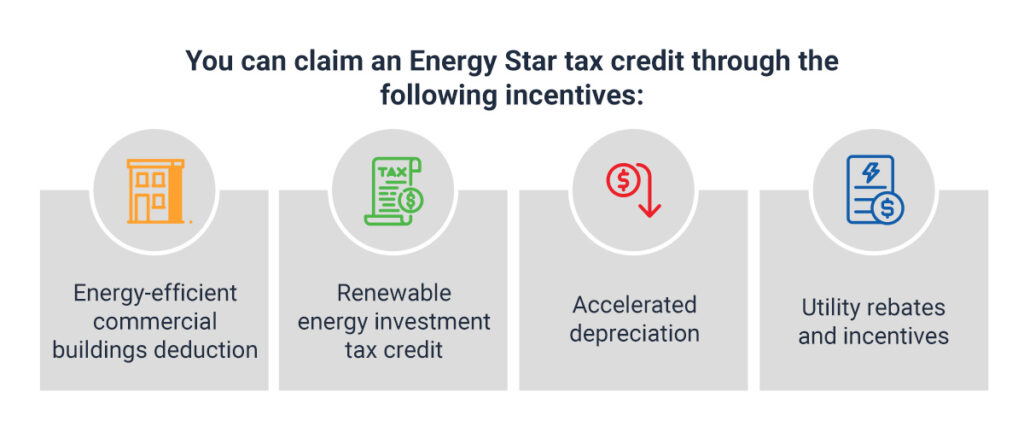
To maximize your savings and enjoy these tax credits effectively, here are a few practical tips:
- Do your research: Before making any purchases, visit the ENERGY STAR website. Understand the specific requirements and limitations of the tax credits. Make sure the products you're considering actually qualify.
- Keep accurate records: Save all receipts and documentation related to your energy-efficient upgrades. You'll need this information when you file your taxes.
- Consult with a tax professional: Tax laws can be complex. A qualified tax professional can help you understand how these credits apply to your specific situation and ensure you claim them correctly.
- Plan ahead: Major home renovations can be costly. Factor in the potential tax credits when budgeting for these projects. This can make them more affordable in the long run.
- Combine with local incentives: In addition to federal tax credits, many states and utility companies offer their own incentives for energy efficiency. Explore these opportunities to maximize your savings.
Ultimately, taking advantage of these federal tax credits is a smart move for your wallet and the environment. By investing in energy-efficient upgrades, you can reduce your energy bills, increase your home's value, and contribute to a more sustainable future. So, go ahead, explore the possibilities and start saving!


