
Wiring Diagram For A Generator Transfer Switch
Okay, so picture this: last winter, massive snowstorm, power's out. We're talking candles, board games, the whole shebang. My neighbor, Mr. Henderson, bless his heart, fires up his generator. Sounds like a lawnmower on steroids, but hey, power! Except… he then proceeds to run an extension cord through his slightly-ajar window. I almost choked on my hot cocoa. Please, don't be a Mr. Henderson. There's a better way, and it involves something called a transfer switch. And this, my friends, is where the wiring diagram comes in.
Why am I talking about wiring diagrams? Because sticking a generator cord into a wall socket without one is like playing Russian roulette with your electrical system. Seriously, don't do it. You could fry your appliances, backfeed electricity onto the grid (which is super dangerous for linemen!), or even start a fire. None of that sounds fun, right?
What's a Transfer Switch, Anyway?
A transfer switch is basically a fancy (and safe!) way to connect your generator to your home's electrical system. It allows you to switch between the utility power and generator power without having to mess with extension cords all over the place. Think of it as a dedicated lane change for your electricity. One minute you're cruising on "Utility Lane," the next, you're smoothly transitioning to "Generator Lane."
Must Read
And the wiring diagram? That's the roadmap. The cheat sheet. The instruction manual that prevents you from turning your house into a crispy critter. Always consult a professional electrician if you're not comfortable working with electricity! I cannot stress this enough. I'm just here to explain the concepts, not give you a license to become an amateur sparky.
Deciphering the Wiring Diagram: The Basics
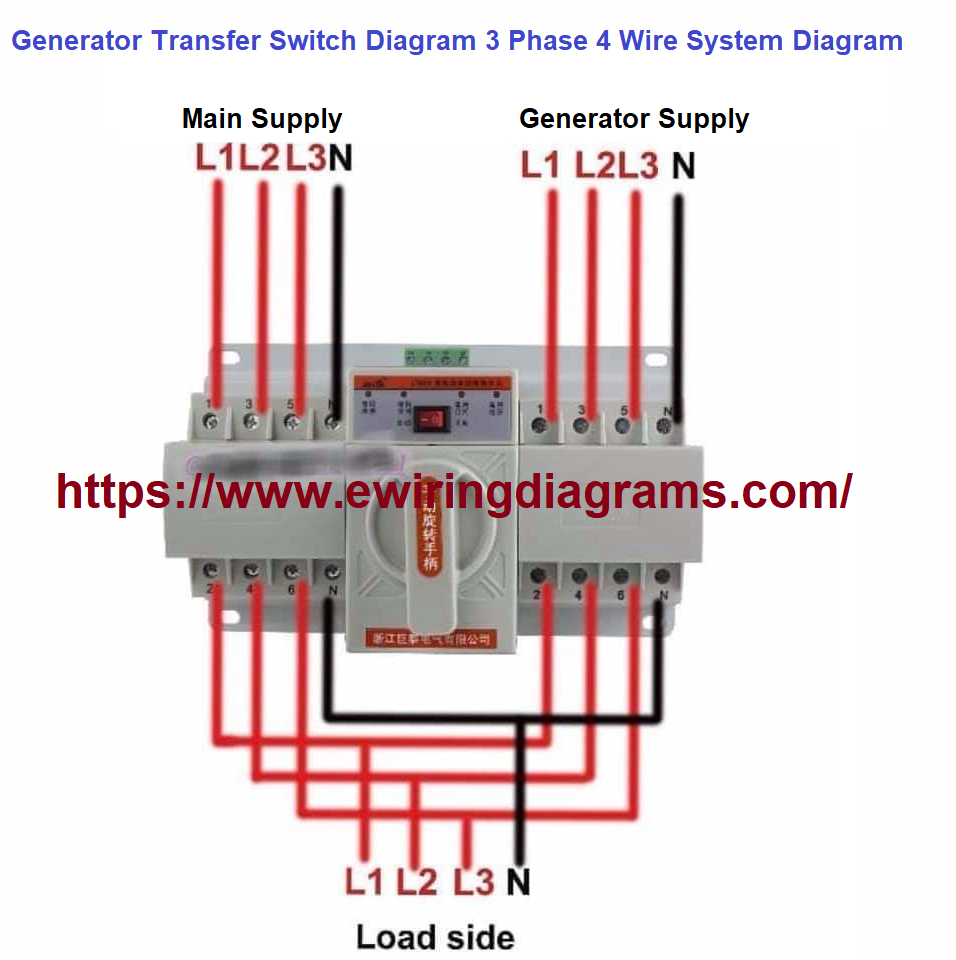
Now, every transfer switch model is a little different, but the core principles are the same. A typical wiring diagram will show you the following:

- The Utility Feed: This is where your regular electricity comes in. Usually marked with L1, L2, and Neutral.
- The Generator Input: This is where your generator plugs in. Again, usually L1, L2, and Neutral.
- The Load Center (Breaker Box): This shows how the transfer switch connects to your existing breaker box. Here, you’ll see which circuits in your house will be powered by the generator.
- Grounding: Crucial! This shows where to connect the ground wires. Proper grounding prevents shocks and keeps everything safe. Don’t skip this!
Look for labels like “Line,” “Neutral,” and “Ground.” These are your friends. Follow them meticulously. The diagram will illustrate how these wires connect from the utility, the generator, and the load center to the transfer switch itself.
Key Components to Watch Out For
There are a few things that often trip people up when reading a transfer switch wiring diagram:
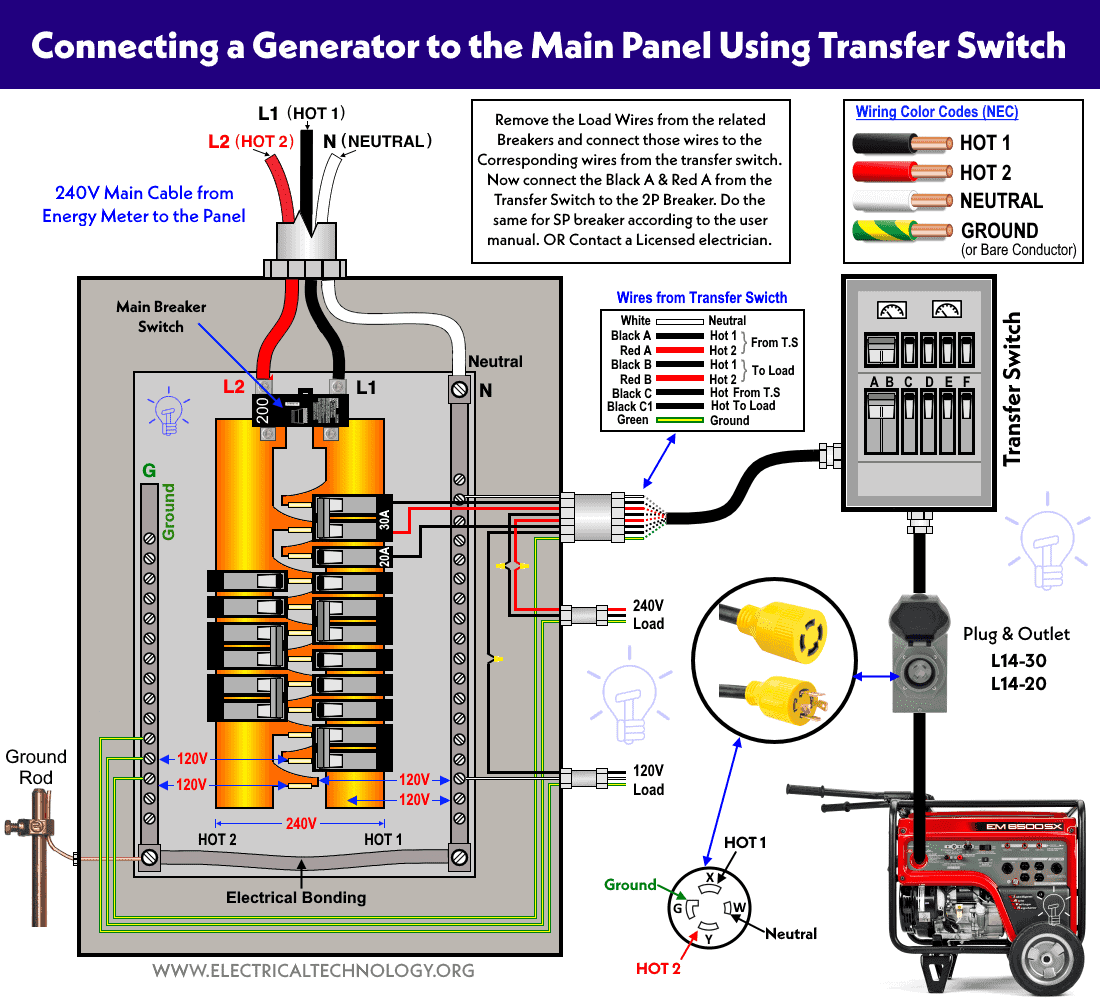
- Neutral Bonding: Some generators have a bonded neutral, which means the neutral wire is connected to the generator's frame. Some transfer switches require a floating neutral (neutral disconnected from the frame). This can cause problems if not addressed correctly. Your wiring diagram will specify what's needed.
- Wire Gauge: The diagram will specify the correct wire gauge (thickness) for each connection. Using the wrong gauge can cause overheating and fire hazards. Thicker wire is generally better (within reason), but always follow the recommendations.
- Circuit Selection: The diagram will show which circuits in your house can be powered by the generator. Don't overload the generator! Choose essential circuits like lights, refrigerator, and maybe the internet router (gotta stream Netflix during the apocalypse, right?).
Remember, the diagram is your guide. Read it carefully. Double-check your connections. If something doesn’t look right, stop and consult a qualified electrician.
Final Thoughts (and a Disclaimer)
Understanding the wiring diagram for your generator transfer switch is essential for a safe and reliable backup power system. It’s not rocket science, but it’s also not something to be taken lightly. A little knowledge goes a long way in preventing electrical disasters.
I’ve tried to provide a helpful overview, but this is not a substitute for professional electrical advice. I am not an electrician. I play one on the internet, maybe. So, please, be smart, be safe, and call a professional if you have any doubts. And for heaven's sake, don't run an extension cord through your window!

