
Wire Welding With Argon Gas
Alright, so you’ve got that welding itch, right? That little voice in your head whispering, "Hey, let's stick some metal together!" And maybe you’ve already dabbled with a basic wire welder, perhaps even flux core. It's fun, a bit messy, but definitely satisfying. But then someone, somewhere, mentions argon gas, and suddenly you’re thinking, "Wait, what's that all about? Am I missing out on some secret sauce?"
Oh, my friend, you absolutely are! Grab your metaphorical coffee, because we're about to chat about why adding a tank of argon to your wire welder setup is like giving your welding game a serious, superhero-level upgrade. Seriously, it's a game-changer. Like going from black and white TV to full-on IMAX 3D.
The Messy Truth (Before Argon)
You know that crackly, splattery experience with flux core wire? It works, it gets the job done, but sometimes it feels like you're fighting a tiny, molten dragon that's spitting fire and slag everywhere. And the cleanup? Ugh. It's not exactly what you'd call glamorous welding, is it? You're chipping away at crusty bits, feeling like a paleontologist digging for clean metal.
Must Read
And let's be honest, those welds can sometimes look a little... well, let's just say they've got character. Lots of character. Especially if you’re trying to make something that actually looks good, not just holds together. Enter the hero of our story: argon gas.
Argon: Your Weld's Invisible Shield!
So, what exactly does this magical gas do? Imagine your freshly molten weld puddle – that beautiful, glowing pool of metal – is super vulnerable. It’s hot, it’s exposed, and the nasty elements in the air (like oxygen and nitrogen) are just waiting to jump in there and cause all sorts of problems. We're talking contamination, porosity (tiny little holes in your weld, no fun!), and generally weak, ugly beads.

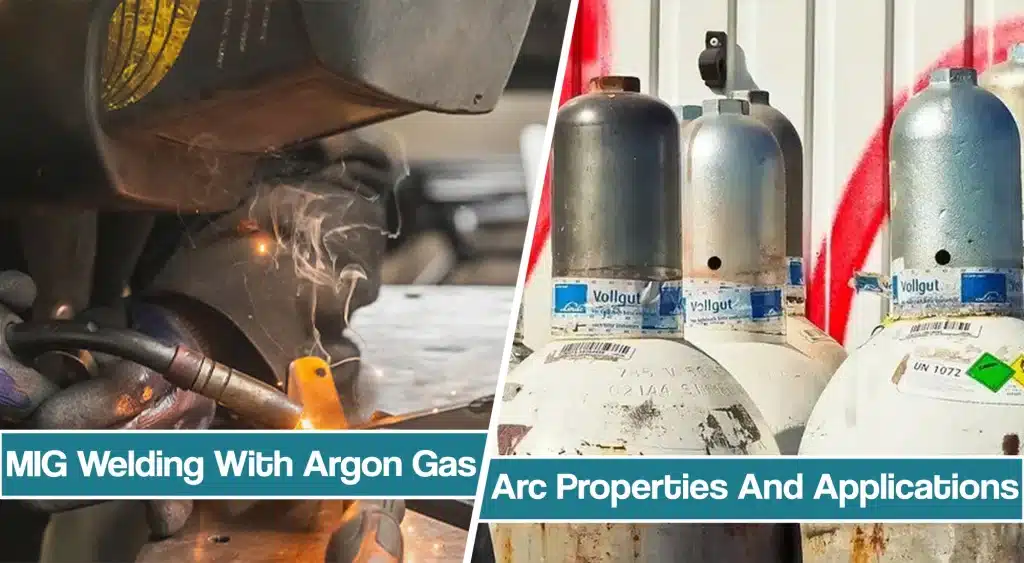
This is where argon swoops in! When you’re welding with a gas-shielded MIG (that's Metal Inert Gas, by the way), a steady stream of argon flows out of your torch nozzle and creates an invisible bubble around that molten puddle. It literally pushes all the bad air away, creating a perfectly clean, inert atmosphere for your weld to solidify in. Think of it as a personal bodyguard for your hot metal.
And guess what? Because there’s no contamination, your wire doesn't need that flux-core stuff to protect it. You get to use solid wire, which is a whole different ballgame. A much cleaner, smoother ballgame, I might add.
The "Aha!" Moment: Why Argon is a Game-Changer
Okay, so what are the real benefits of this argon shield? Hold onto your hats:
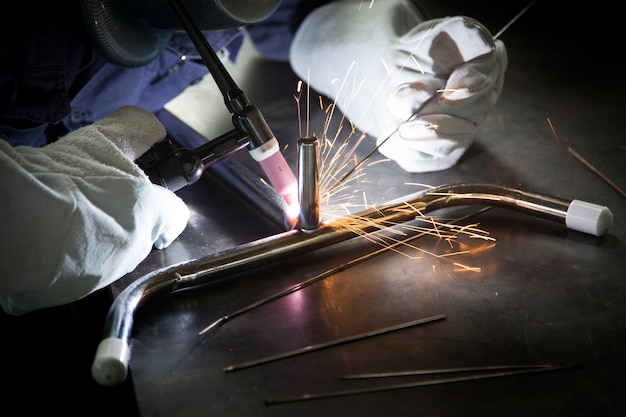
First, and arguably the most satisfying: less spatter. Remember that dragon? It's been tamed! With argon, your welds become significantly cleaner. Less tiny little molten metal bits flying everywhere, less grinding, less chipping. Your shop floor (and your pants) will thank you.
Second, you get stronger, prettier welds. Because the weld isn't getting contaminated by the air, it's inherently stronger. And visually? Oh boy, the difference is night and day. You start laying down those beautiful, consistent beads that look like stacks of dimes. It's incredibly satisfying, trust me.
Third, it’s often easier to learn and control. While flux core can be forgiving in some situations, the consistent arc and cleaner puddle with argon just make the whole process feel more predictable. You can see what you're doing better, which means you learn faster and get better results quicker. It's like taking the training wheels off your welding bike, but in a good way!
![Argon In Welding - [Ar] Shielding Gas Role In TIG & MIG](https://weldingpros.net/wp-content/uploads/2021/09/MIG-welding-on-pipes-edited-1024x685.jpg)
And let’s not forget the sheer versatility. While pure argon is fantastic for steel, it's also the go-to for welding aluminum. Want to get into some exotic metals down the line? You're already set up with the right gas, my friend.
Getting Started: It's Not as Scary as It Sounds
So, what do you need to jump into the argon club? Not much more than what you already have! You’ll need a bottle of argon gas (don't worry, they last a good while for hobbyists), a regulator to control the flow, and a gas hose to connect it all to your welder. Most modern MIG welders come with the fitting for gas built right in, so it’s usually just a plug-and-play situation.
You’ll also need to switch from flux-core wire to solid wire. Make sure you match the wire type to the metal you're welding (e.g., ER70S-6 for mild steel). Then, a quick tweak of your welder's settings – usually a little less voltage and a slightly different wire speed than you'd use for flux core – and you're off to the races!
It takes a little experimenting, as all welding does. You’ll adjust your gas flow, your wire speed, your voltage, and your technique. But the results? They’re immediately noticeable. You’ll be laying down those gorgeous, golden-brown beads, feeling like a true artisan. And who doesn't want that feeling?
So, Should You Do It?
Absolutely! If you're serious about getting better at welding, reducing frustration, and producing genuinely good-looking, strong welds, then embracing wire welding with argon gas is a no-brainer. It elevates the entire experience from a messy chore to a satisfying craft.
Give it a try. Get that gas bottle, hook it up, and prepare to be amazed. Your welding journey is about to get a whole lot smoother, cleaner, and honestly, a whole lot more fun. Happy welding, my friend!