
Wire Size For 3 4 Hp Well Pump
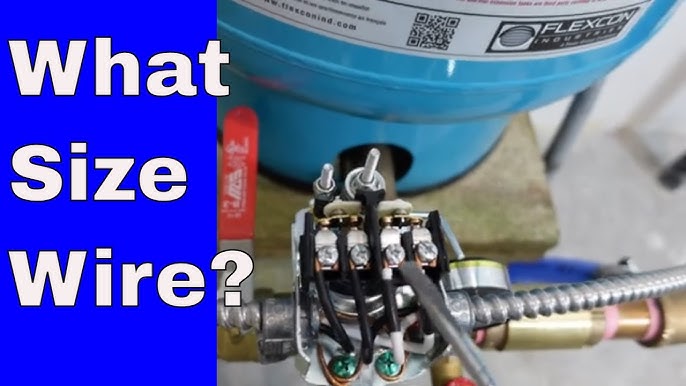
Alright, let’s chat about that trusty 3/4 HP well pump of yours. You know, that unsung hero silently toiling away, bringing glorious water to your taps, your showers, and your garden hose. It’s like the quiet, hardworking cousin nobody talks about much, until suddenly… no water. And then you realize, oh, this thing is actually pretty important!
When it comes to wiring up one of these beauties, it can feel a bit like decoding an ancient scroll. Wire size? Gauge? Amps? It’s enough to make you want to just call a pro and be done with it. But hey, understanding the basics is empowering, and honestly, it’s not as scary as it sounds. Think of me as your friendly, slightly goofy guide.
The Goldilocks Principle of Wiring
You know the story: not too hot, not too cold. Well, for your well pump wire, it’s all about not too small, and not too big. Getting it just right is crucial. Imagine trying to drink a super-thick milkshake through a tiny coffee stirrer. It’s a struggle, right? That’s kind of what happens when your wire is too small for the job.
Must Read
A 3/4 HP pump needs a certain amount of electrical juice to do its thing. If the wire is too thin, it’s like trying to squeeze a whole herd of cattle through a single garden gate. Things get bottlenecked, heated, and generally unhappy. And unhappy wires lead to unhappy pumps, which lead to unhappy YOU (because, remember, no water!).
When Wires Get Hangry (Voltage Drop)
The biggest villain in this story, especially over longer distances, is something called voltage drop. It’s like sending your kid off to college with a crisp twenty-dollar bill, but by the time they get there, it’s only worth fifteen bucks. The voltage, or electrical "pressure," sags along the length of a wire, especially if the wire is too thin or too long.

If your pump isn't getting enough voltage, it's like trying to run a marathon after skipping breakfast. It strains, it works harder than it should, it draws more current to compensate, and ultimately, it could overheat and kick the bucket way before its time. We’re talking about a potentially fried motor here, and nobody wants that. That’s a bigger headache (and bill) than getting the wire right the first time.
The Dynamic Duo: Distance and Voltage
Two main things really play a starring role in figuring out the right wire size for your 3/4 HP well pump:

- Distance: How far is that pump from your main electrical panel? Is it practically in your backyard, or is it way out in the back forty? The further the run, the thicker the wire needs to be to fight off that pesky voltage drop. Think of it like a really long garden hose – the longer it is, the more pressure you lose at the end.
- Voltage: Is your pump running on 120 volts (like a regular wall outlet) or 240 volts (like your electric dryer)? Most well pumps, especially 3/4 HP ones, are designed for 240 volts. This is good news because 240V is like the superhero of electricity delivery – it can push power more efficiently over longer distances with less fuss, often allowing for a smaller wire gauge than if it were 120V.
So, What's the Magic Number (ish)?
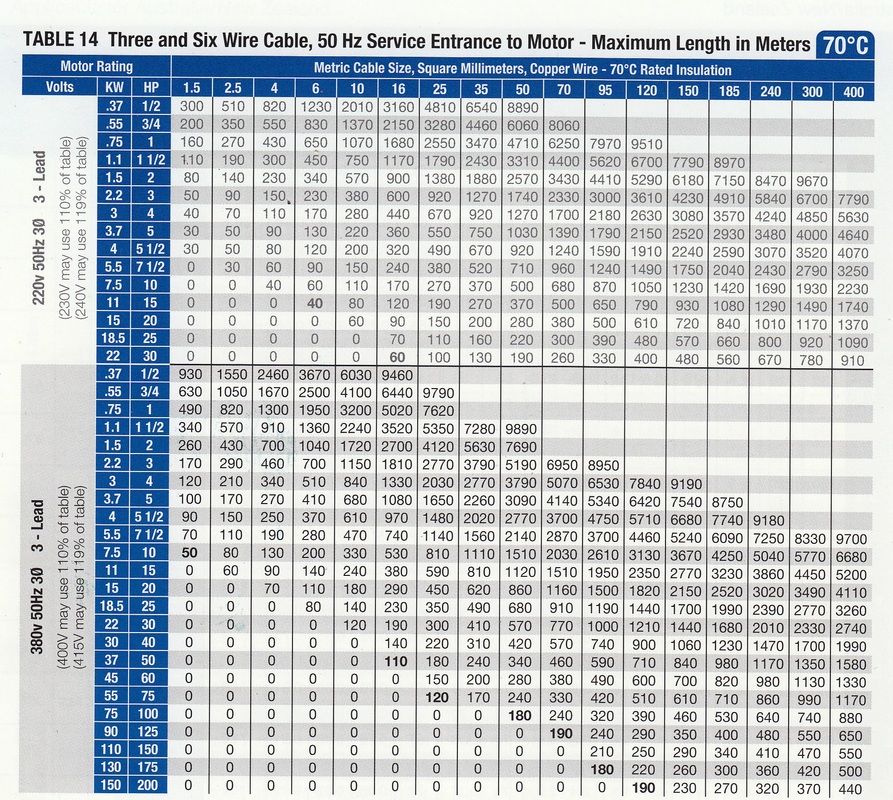
While I can't give you an exact, one-size-fits-all answer (because every setup is unique, like every snowflake!), I can give you a ballpark. For a 3/4 HP pump, especially one running on 240 volts, you're often looking at wires in the range of #10 or #12 gauge for shorter runs (under, say, 100 feet). If your well is further out, like 150-200 feet, you might need to jump up to a #8 gauge wire. And if it's way, way out there, you might even need to consider #6.
Remember, the smaller the gauge number, the thicker the wire. So, #8 gauge is thicker than #10, which is thicker than #12. It's counter-intuitive, I know. It's like a secret code only electricians and wire manufacturers understand.
When in Doubt, Consult the Oracle (Your Pump Manual)
Seriously, the owner's manual for your specific well pump is your absolute best friend here. It’ll have the manufacturer’s recommended wire sizes for different distances and voltages. It’s like having a treasure map, but instead of gold, it leads to glorious, uninterrupted water flow. If you bought the pump new, it's usually in the box. If you inherited it with your house, a quick search online with the pump's make and model number usually works wonders.
And if all else fails, or if you're just feeling a bit out of your depth (which is totally okay!), don't hesitate to call a qualified electrician. They deal with this stuff every day and can quickly size up your situation. Think of them as the wise old wizard who knows all the spells and incantations to keep your electrons flowing happily.
Getting the wire size right isn't just about making your pump happy; it's about safety and efficiency. It prevents overheating, fire hazards, and ensures your pump lives a long, productive life. So, take a deep breath, grab that manual, and remember, a little planning now means a lot less headache (and a lot more water) later!
