Wind Power Energy Pros And Cons
Imagine a world where the very air we breathe, the gentle breeze that rustles the leaves, could power our homes, schools, and cities. Sounds a bit like science fiction, doesn't it? Yet, thanks to the ingenious marvel of wind power, this isn't a futuristic dream, but a vibrant reality we're embracing more and more each day. Just as people enjoy the simple pleasure of flying a kite or feeling a cool gust on a warm day, there's a growing appreciation for harnessing the wind's invisible might to fuel our modern lives. It's about tapping into something fundamental and limitless, making our energy cleaner and our future brighter.
At its core, wind power serves an incredibly vital purpose: providing us with sustainable, renewable energy. Every time you flip a light switch, charge your phone, or power up your computer, there's a good chance some of that electricity could be coming from the graceful sweep of a turbine blade. It's a key player in reducing our reliance on fossil fuels, cutting down on air pollution, and combating climate change. You see its application in towering wind farms, both on land and offshore, dotting landscapes and seascapes with their elegant, silently spinning giants. While massive installations are the most common, smaller, individual turbines can even be found powering remote homes or farms, offering a slice of energy independence.
But like any powerful technology, wind energy comes with its own set of pros and cons, a fascinating balancing act of innovation.
Must Read
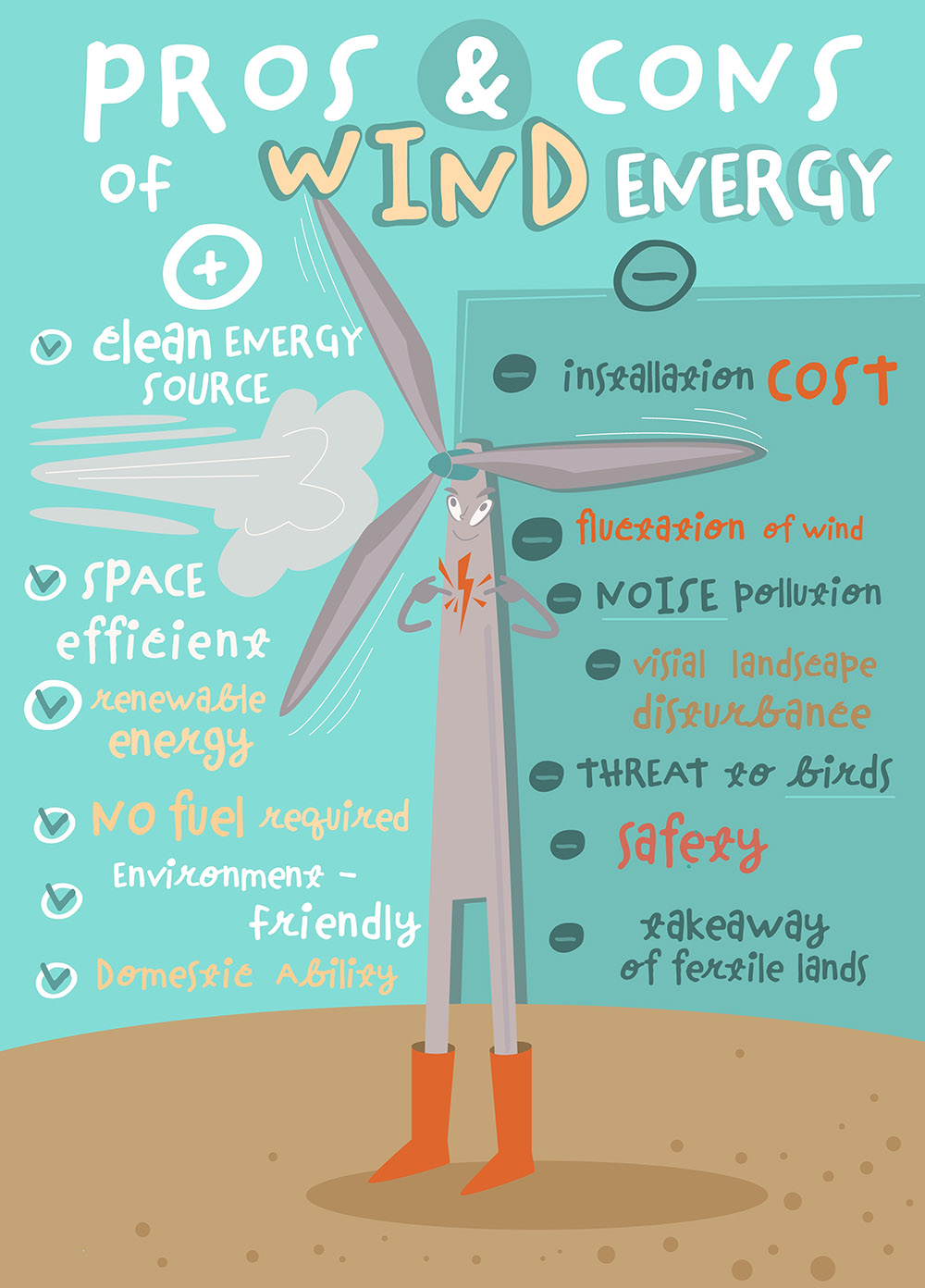
On the pros side, the benefits are clear and compelling. First and foremost, it's clean energy. Once a wind turbine is up and running, it produces electricity without emitting greenhouse gases, which is a huge win for our planet. The wind itself is also an infinite, free resource, unlike finite fossil fuels. Operating costs are relatively low once built, and the industry creates thousands of jobs, from manufacturing and installation to maintenance and research. Plus, it bolsters energy security, meaning we rely less on energy sources from volatile global markets.
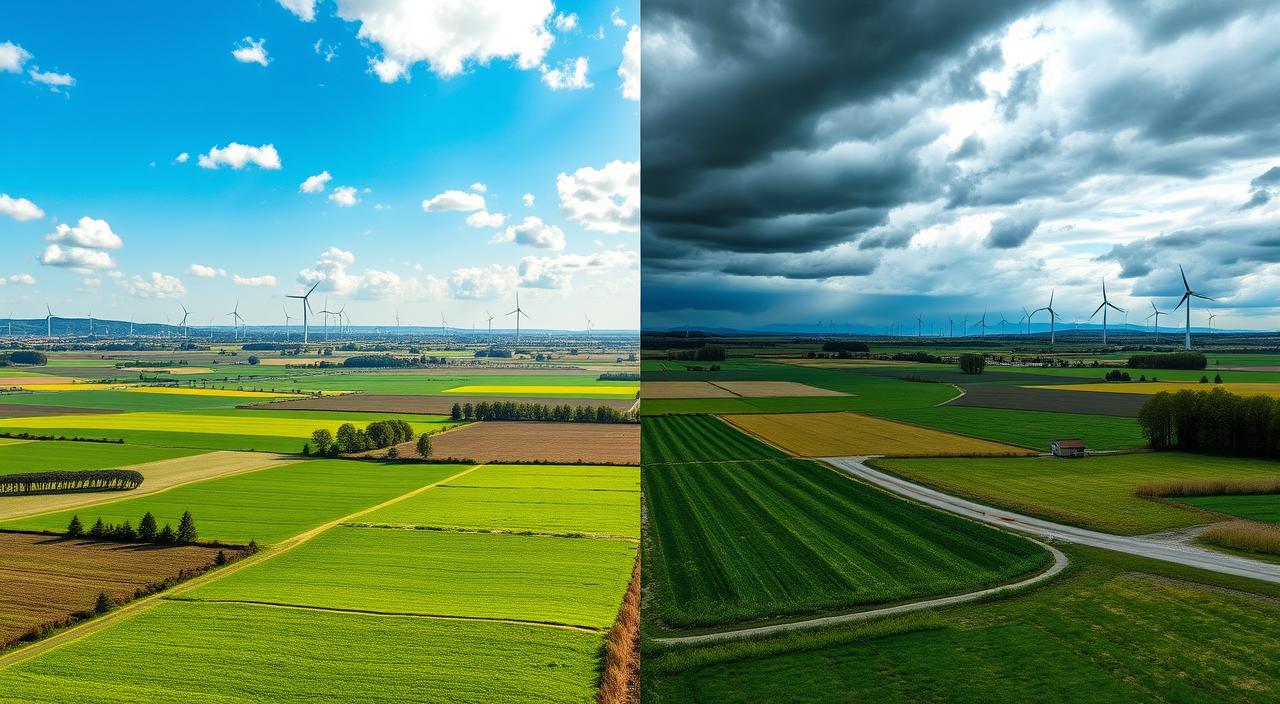
However, it’s only fair to consider the cons. The most significant challenge is intermittency – the wind doesn't always blow, requiring smart grid management and energy storage solutions. There's also the aspect of visual impact; some people find the sight of large turbines disruptive to natural landscapes. Noise, though reduced in modern designs, can still be a concern for nearby residents. And while debated, there are environmental considerations, particularly regarding wildlife impact on birds and bats, which engineers are constantly working to mitigate. Finally, the initial investment for wind farms can be substantial, and they require significant land or sea area.
So, how can you "enjoy" this vital energy source more effectively? Firstly, by simply understanding its complexities. Visit a wind farm if you ever get the chance – seeing these magnificent structures up close can be truly awe-inspiring. Educate yourself on your local energy mix; many utility providers offer options to source your power from renewables. Support policies and initiatives that encourage sustainable energy development. By appreciating both its powerful potential and its practical challenges, we can all contribute to a more informed and sustainable future, ensuring that the wind continues to work for us, quietly powering the world forward.