
Wind Energy How It Is Produced
Hey there, ever seen those majestic giants spinning gracefully on the horizon and wondered, "How in the world do those things actually make electricity?" Well, grab a metaphorical comfy chair, because we're about to chat about wind energy – and trust me, it’s not rocket science, but it is pretty darn cool!
Think of it this way: what if you could take a super-powered pinwheel and make it light up your house? That's essentially what a wind turbine does, just on a much, much grander scale. It’s all about harnessing the power of nature’s own big breath: the wind!
The Basic Idea: Wind to Watts!
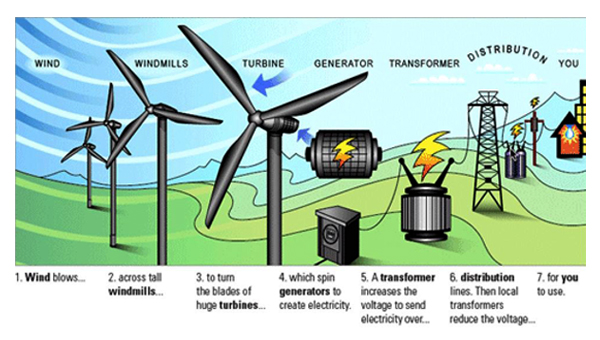
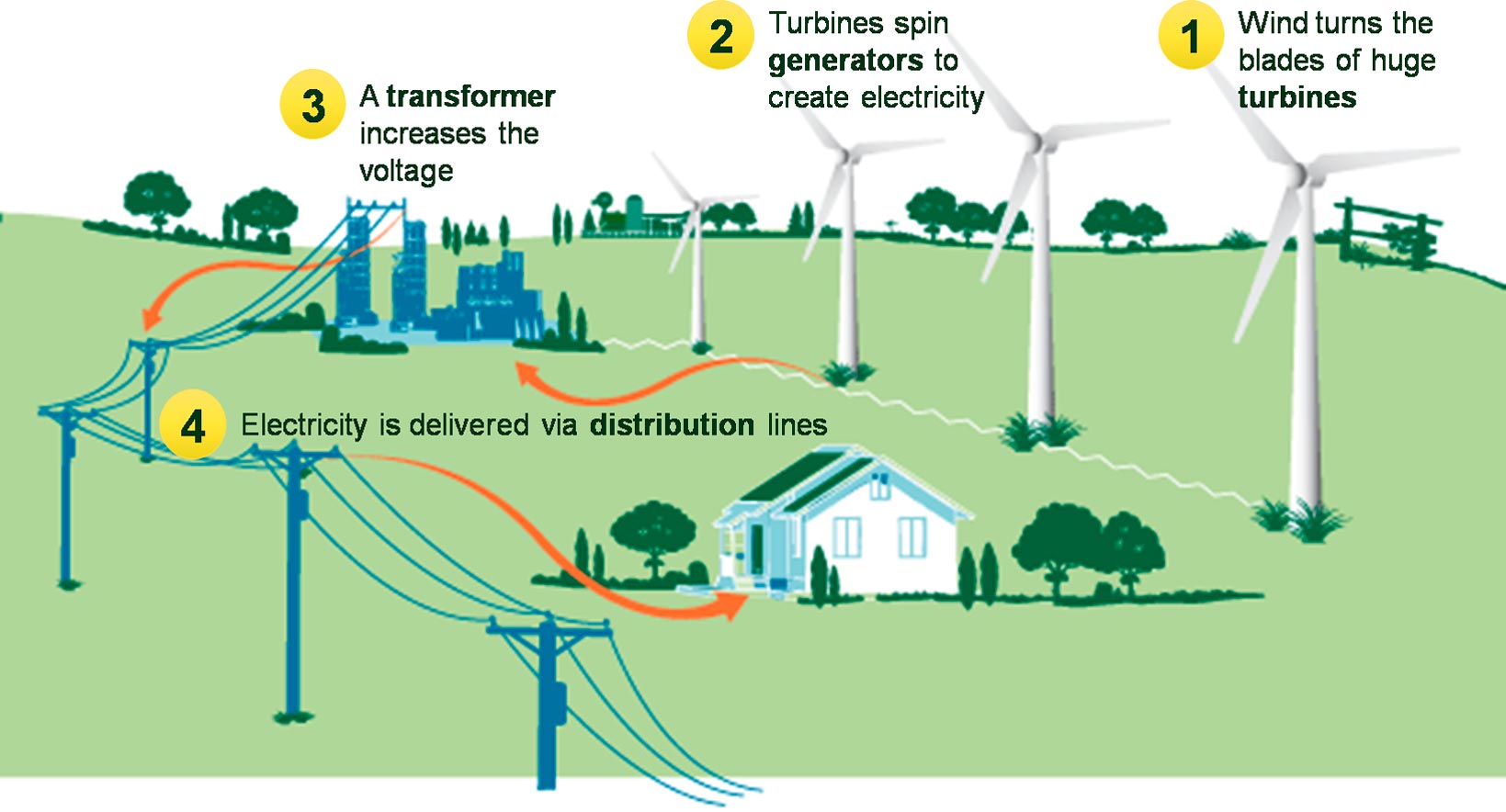
At its heart, wind energy production is brilliantly simple. Wind blows, big blades spin, and that spinning motion gets turned into electricity. Ta-da! Magic, right? (Okay, it's science, but let's keep the magic vibe going for a bit.)
Must Read
We're talking about converting kinetic energy (the energy of motion) from the wind into mechanical energy (the spinning of the blades) and then into electrical energy. It’s like a domino effect, but way more electrifying!
Meet the Players: Inside a Wind Turbine
Let's break down the main parts of these towering energy factories. Each piece has a vital role, like a well-oiled (or well-winded!) team.
The Blades: The Wind Catchers
These are the long, sleek arms you see twirling around. They’re usually three of them, for stability and efficiency. Blades aren't flat paddles; they're designed with a special aerodynamic shape, much like an airplane wing. When wind passes over them, it creates a difference in air pressure, which generates lift (or, in this case, "push") and makes them spin. It's the same principle that keeps planes in the air, but here, it’s all about getting a good spin going. Pretty clever, huh?
The Rotor: The Central Hub
The blades are all attached to a central hub called the rotor. Think of it as the "boss" that collects all the pushing power from the blades and translates it into a rotational motion. This spinning rotor is where the journey to electricity truly begins.

The Nacelle: The Brains of the Operation (and the Muscles!)
Perched high atop the tower, right behind the rotor, is the big, usually boxy part called the nacelle. This is where all the really important guts of the turbine hang out. It’s like the penthouse apartment for the turbine’s crucial components, and inside you’ll find:
- Gearbox: Not all modern turbines have one, but many do! This clever bit of engineering takes the relatively slow spins from the rotor (imagine watching giant blades, they don't exactly whiz by!) and speeds them up significantly. Why? Because the generator needs to spin much faster to efficiently produce electricity. It's like switching gears on a bicycle to go faster, but for power generation!
- Generator: Ah, the star of the show! This is where the magic (okay, science!) truly happens. The generator is what converts that high-speed mechanical energy from the gearbox into glorious, usable electrical energy. It uses electromagnetic induction – basically, moving magnets near coils of wire – to create an electric current. Poof! Watts!
- Control Systems: These are the smarts that monitor wind speed, adjust the angle of the blades (called "pitch") to capture the most energy, and even brake the turbine if the wind gets too strong (we don't want a runaway turbine, do we?!).
The Tower: The Sturdy Stand
Last but not least, we have the towering tower. Its job is simple but crucial: to lift the nacelle and rotor high off the ground. Why so tall? Because wind speeds are generally stronger, more consistent, and less turbulent at higher altitudes. It's all about getting the best possible "catch" of that breezy goodness.
From Turbine to Your Toaster
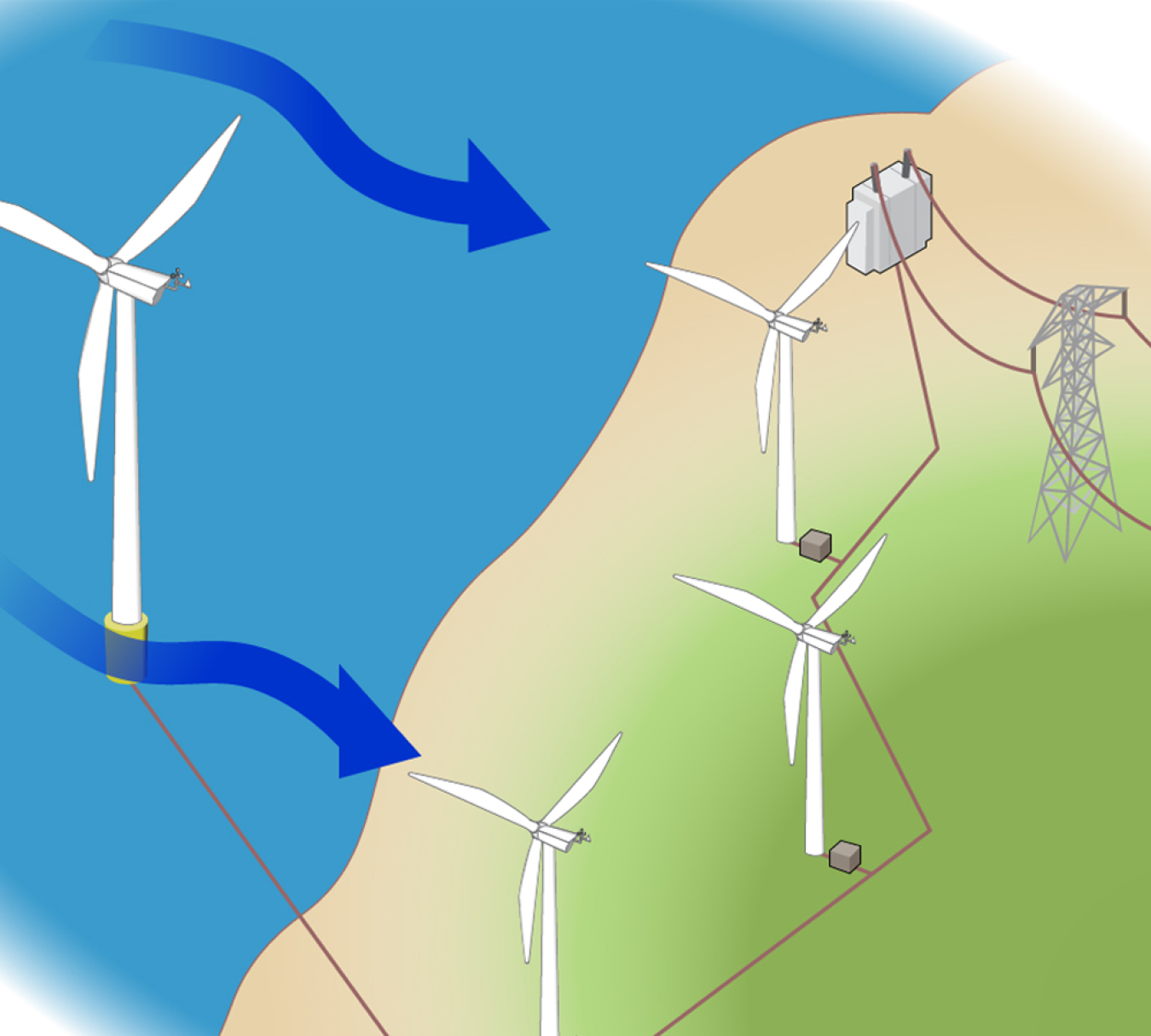
So, the generator makes electricity. What next? The power travels down cables inside the tower, where it often goes through a transformer (which bumps up the voltage for efficient long-distance travel, like giving the electricity an espresso shot!). Then, it's sent out onto the grid – the vast network of power lines that delivers electricity to homes, schools, and businesses. And just like that, the wind helping spin those blades hours ago is now charging your phone or keeping your fridge cold!
Why It's So Awesome
Wind energy isn't just fascinating; it's incredibly beneficial. It’s a clean energy source, meaning it produces electricity without burning fossil fuels, releasing greenhouse gases, or creating air pollution. It’s also renewable – as long as the sun shines, the wind will blow (mostly!), making it a sustainable power source for generations to come.
So, the next time you spot a wind turbine gracefully spinning, give it a little appreciative nod. It's not just a giant, silent sentinel; it's a testament to human ingenuity, working tirelessly to harness nature's power and bring us cleaner, greener energy. It's literally helping to power our future, one breezy spin at a time. How cool is that? Stay breezy!
