Wind Energy How Is It Produced
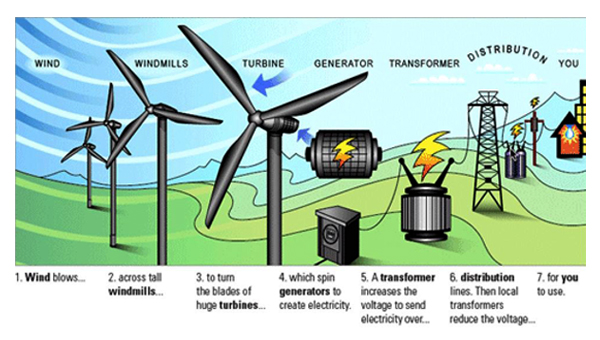
Ever stood outside on a blustery day, hat flying off, hair doing its own wild dance, and thought, "Man, there's a lot of energy going on here!"? Well, you're not wrong. That invisible force tickling your face and trying to steal your dignity is called wind, and it's basically nature's really efficient, really massive, and thankfully, non-toxic hairdryer. And guess what? We've figured out how to harness that wild energy to power our homes, charge our phones, and keep our Netflix binges going strong. It's called wind energy, and it's surprisingly straightforward.
Think about it like this: remember those little pinwheels you used to get as a kid? You'd blow on them, and they'd spin like crazy. Or maybe you've sailed a boat, and the wind, that invisible giant, just pushes the sail, moving the whole thing forward. Wind energy works on the exact same principle, but instead of spinning a plastic toy or moving a boat across water, we're getting it to spin something much, much bigger and turn it into electricity. No magic, just good old physics and some seriously clever engineering.
The Big Spinny Things: What Are They?
When you drive past a wind farm, you see these majestic, colossal structures, often with three enormous blades, just gracefully sweeping through the air. These aren't just giant artistic sculptures; they're called wind turbines. And if you ask me, they're the supermodels of the renewable energy world – tall, elegant, and always looking busy.
Must Read
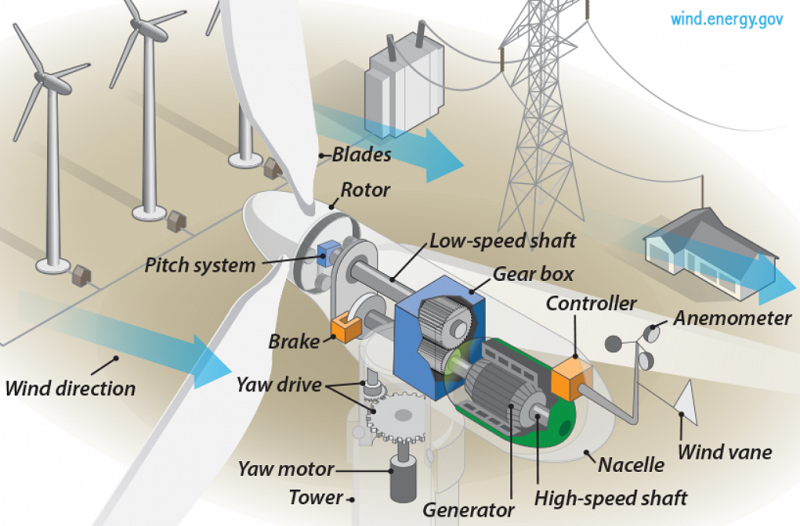
Each turbine is made up of a few key parts, kind of like your body has arms, a torso, and a head.
First up, the blades. These are the long, sleek "arms" that catch the wind. They're designed like airplane wings, but in reverse. Instead of creating lift to pull a plane up, the wind pushes against them, causing them to rotate. Imagine trying to push a heavy door open with a feather versus a plank of wood – the blades are definitely the plank, built to catch as much gusty goodness as possible. They can be incredibly long, sometimes over 80 meters each! That’s longer than some passenger jets!
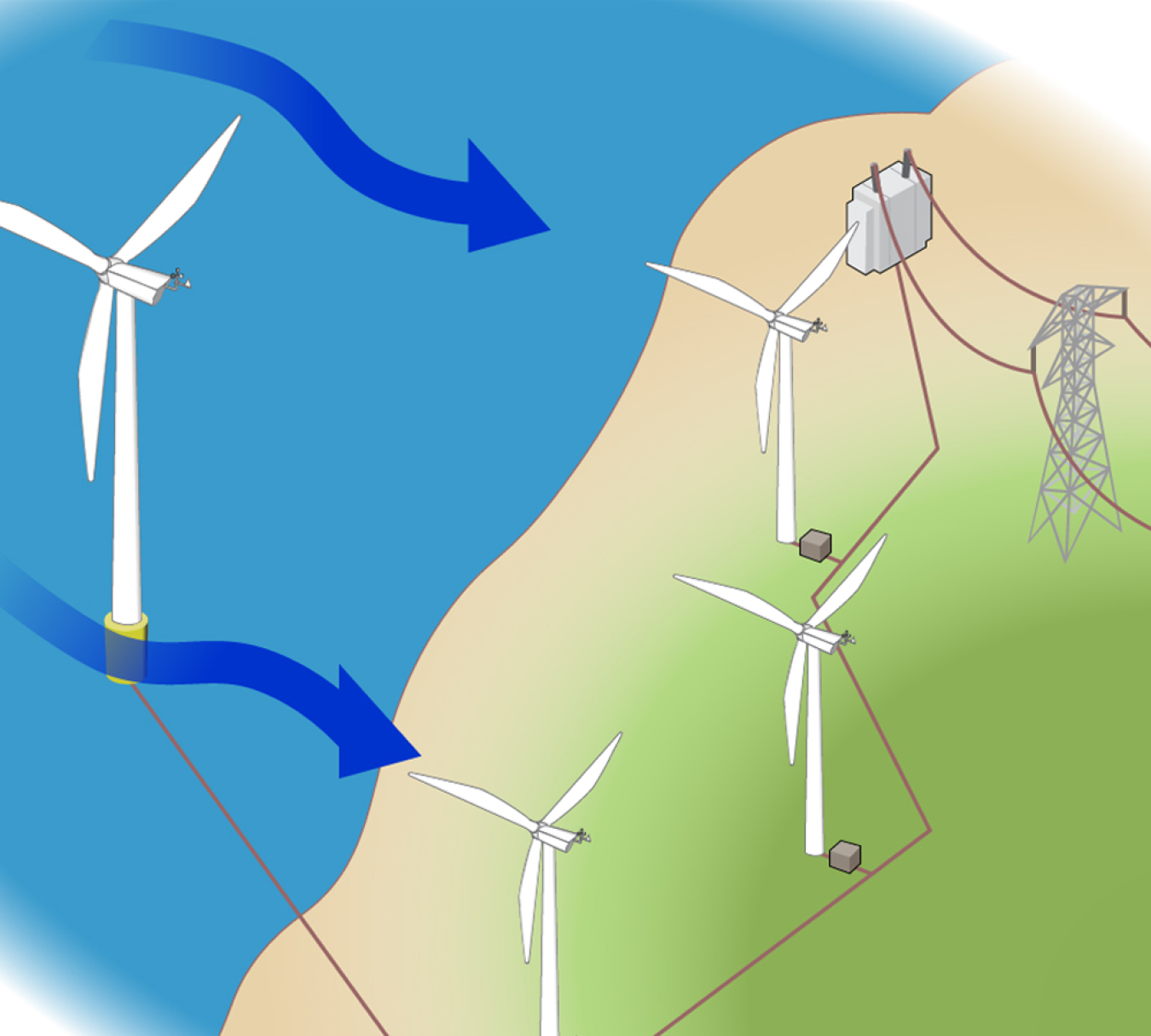
These blades are attached to a central hub, which we call the rotor. Think of it as the shoulder joint where all the blades connect. When the wind spins the blades, the rotor spins too. Simple, right?
The Brains of the Operation: Up in the "Nacelle"
Now, this is where the real wizardry happens, though it’s more like mechanical genius than hocus pocus. Behind the rotor, perched atop the giant tower, is a big boxy component called the nacelle. If the blades are the hands catching the wind, the nacelle is the engine room, or perhaps the brain, of the whole operation.
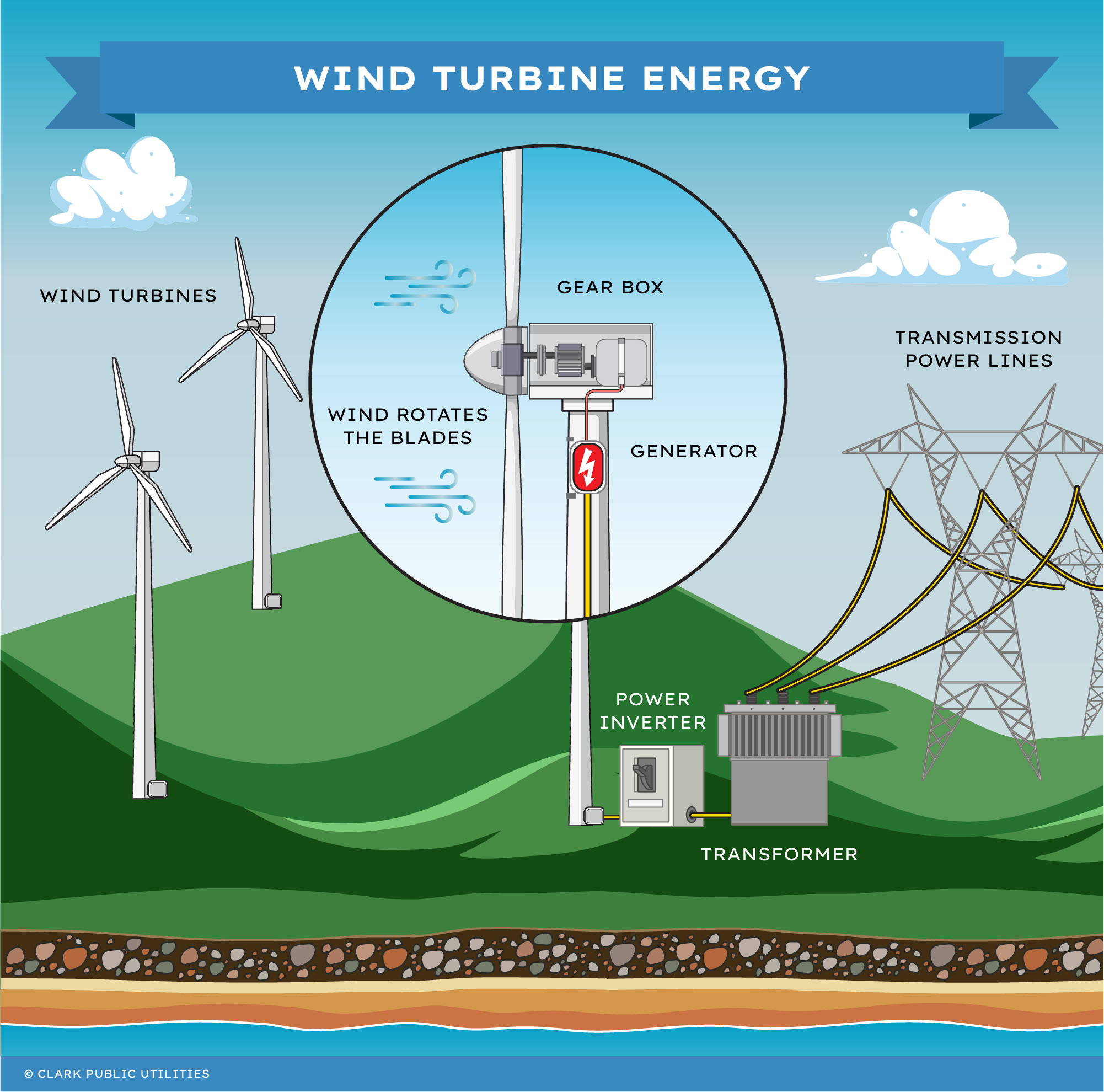
Inside the nacelle, there’s a whole lot going on. The spinning rotor is connected to a shaft, which is like a long metal stick. This shaft then feeds into a gearbox. Now, this gearbox is super important. The blades might spin relatively slowly, especially on a calm day. The gearbox's job is to take that slow spin and speed it up dramatically, much like how the gears on your bicycle help you pedal slower but still go fast up a hill. It converts a slow, powerful rotation into a fast, less powerful one – perfect for what comes next!
That high-speed spinning shaft then connects directly to the star of the show: the generator. This is the heart of any power plant, whether it’s wind, coal, or nuclear. A generator is essentially a device that uses magnetism and coils of wire to produce electricity when something spins inside it. Think of it like a tiny dynamo on an old bicycle that lights up the headlamp when the wheel spins. Just, you know, a few million times bigger and more powerful. So, wind spins blades, blades spin rotor, rotor spins shaft, shaft (via gearbox) spins generator, and BAM! We have electricity.
Getting High and Wiring It Up
All this complex gear is mounted on a really tall tower for a good reason. The higher you go, the stronger and more consistent the wind is. Think about how windy it is at the top of a skyscraper compared to street level. Those towers get the blades up into the prime wind real estate, sometimes hundreds of feet off the ground.
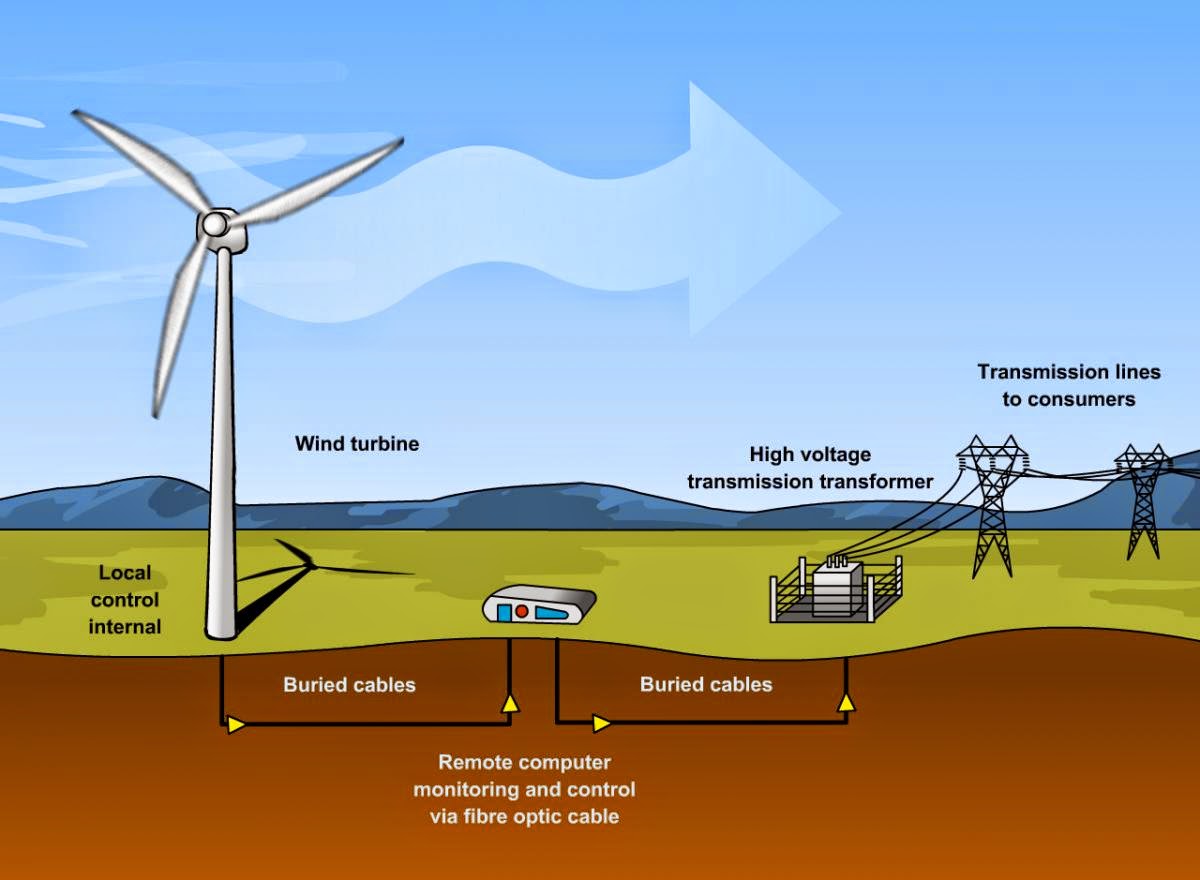
Once the generator has done its job and created electricity, it doesn't just hang out there in the sky. The power travels down cables inside the tower, underground to a substation, and then onto the national electrical grid. From there, it makes its way to your toaster, your laptop, and that ridiculously bright holiday light display your neighbor insists on.
So, the next time you see those magnificent wind turbines gracefully turning, give them a little nod. They’re not just pretty faces; they're tirelessly converting invisible gusts into the power that keeps our modern lives humming along. And all without making a single puff of smoke. Pretty cool, huh? It's literally just the wind doing the heavy lifting for us, and that's something to smile about.