
Wind Energy And How It Works

Alright, let's talk about wind. You know, that invisible force that messes up your hair, slams doors, and generally just breezes through life without a care in the world. But have you ever stopped to think about its true intentions?
My unpopular opinion? The wind isn't just a natural phenomenon. It's a cosmic show-off, a flamboyant performer, and it absolutely loves being the center of attention.
And those giant, elegant wind turbines? They're just giving the wind the massive stage it secretly craves.
Must Read
What Exactly Is This Show-Offy Wind?
Before we dive into how it makes electricity, let's quickly demystify the star of our show. Wind is basically just air in a hurry.
It's caused by the sun heating up different parts of the Earth unevenly. Warm air rises, cool air rushes in to fill its spot, and boom – you've got wind.
It’s like an endless game of musical chairs played by molecules, and the wind is just the frantic scramble.
My Take: The wind isn't just moving; it's dramatically sashaying from one place to another, demanding you notice its power.
Enter the Wind Turbine: The Wind's Personal Stage
So, how do we harness this invisible drama queen? We build enormous, elegant structures called wind turbines. Think of them as giant, futuristic pinwheels.
These aren't just pretty faces. They are incredibly sophisticated machines designed to capture every little bit of the wind's theatrical performance.
They stand tall, waiting patiently for the wind to decide it's time for its grand entrance.
The Star Parts of the Show
A wind turbine has three main parts you can see: the tower, the blades, and the nacelle.

The tower is the tall pole, holding everything up high where the wind likes to show off the most. It gives our performer a great vantage point.
Then there are the magnificent blades, usually three of them, sweeping through the air. They look a bit like airplane wings, or perhaps giant, graceful arms beckoning the breeze.
Finally, perched atop the tower, behind the blades, is the nacelle. This is like the turbine's secret backstage area, packed with all the important bits.
My Take: The blades are the wind's dance partners, perfectly choreographed to spin with every gust. The nacelle? That's where the real magic (and the wind's secret plotting) happens.
The Blades: Catching the Wind's Whims
When the wind blows, it pushes against the specially shaped blades. This pushing force makes them spin around a central point, a bit like a propeller or a child's toy pinwheel, but on a colossal scale.
The design of these blades is incredibly clever. They are aerodynamic, meaning they're shaped to capture the maximum amount of wind energy.
It’s like they’re perfectly cupped hands, ready to catch every dramatic gust the wind throws their way.
Inside the Nacelle: Where Energy is Born (and the Wind's Ego is Massaged)
Now, this is where it gets really interesting, deep inside the nacelle, the heart of the turbine.
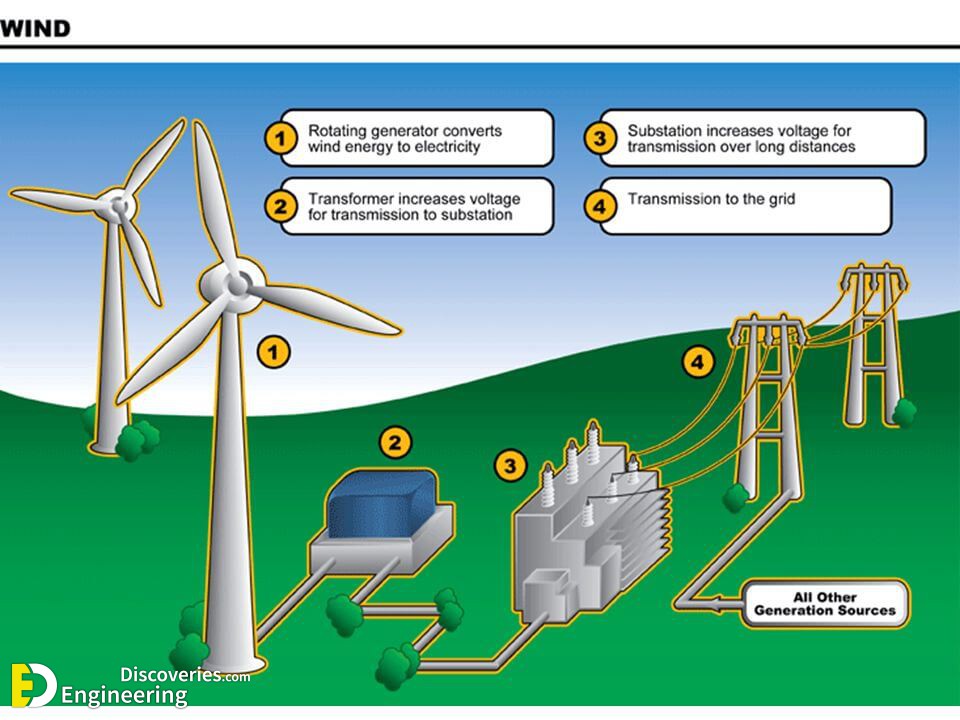
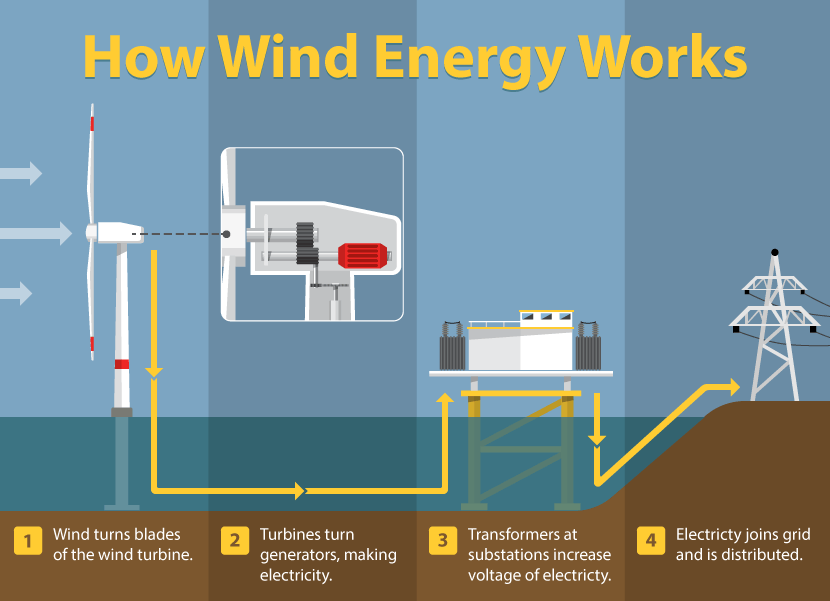
The spinning blades are connected to a shaft inside this box. This shaft spins relatively slowly, like a giant, leisurely merry-go-round.
But for making electricity, we need things to spin really, really fast.
The Gearbox: The Wind's Secret Speed Boost
Here's where the gearbox comes in. Think of it like the gears on a bicycle.
You pedal slowly, but the chain makes your wheel spin much faster. The gearbox does the same job, taking the slow, powerful spin from the blades and converting it into a much quicker rotation.
It’s giving the wind a secret, turbo-charged boost, making its performance even more electrifying.
The Generator: The True Alchemist
This super-fast spinning shaft is then connected to a very special device called a generator. This is the true wizard of the turbine.
A generator takes mechanical energy – the energy of movement – and magically transforms it into electrical energy. It’s not quite magic, of course, but involves magnets and coils of wire dancing together.
It's basically like rubbing your socks on a carpet to build static electricity, but on an epic, industrial scale.
My Take: The generator is where the wind's raw, show-offy power is finally tamed and transformed into something useful. The wind probably preens a little, knowing its drama is powering your toaster.
The Brains of the Operation
Turbines aren't just mindless spinners. They have sophisticated computers and sensors.
These "brains" constantly monitor wind speed and direction. They can even turn the nacelle to face directly into the wind, like a diva adjusting her spotlight.
If the wind gets too strong, the computer will actually feather the blades or even shut down the turbine to prevent damage. Even a show-off needs a break!
From Turbine to Your Toaster
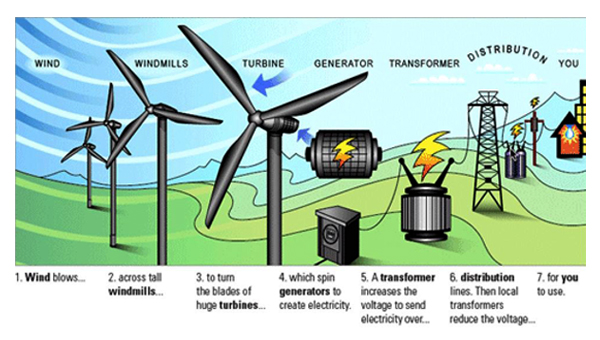
Once the generator creates electricity, it travels down the tower through cables. From there, it heads to a substation.
The substation boosts the voltage, allowing the electricity to travel long distances through power lines. And eventually, it makes its way to your home.
Every time you flip a light switch, there's a good chance some of that power came from a wind turbine, dutifully converting the wind's energetic display into something you can use.
My Take: The wind doesn't care if it powers your laptop or your washing machine. It just cares that it's being productive and getting noticed. It's a very self-important kind of helpful.
The Wind's Eco-Friendly Swagger
The best part? This whole process is incredibly clean. Wind energy produces no greenhouse gas emissions, no air pollution, and uses no water for cooling.
It's a truly renewable resource. As long as the sun shines and the Earth rotates, the wind will keep on performing.
So, while the wind might be a bit of a show-off, it's also a surprisingly responsible one, leaving barely a trace after its powerful performances.
The Unpopular Opinion, Revisited
So, next time you feel a gust of wind, don't just think of it as random air movement.
Remember my unpopular opinion: it’s the wind, flexing its muscles, putting on a grand display, and secretly loving every second of it.
And those majestic turbines? They're simply giving our invisible friend the perfect stage to shine, all while discreetly turning its bluster into the electricity we need.
Who knew such a dramatic force of nature could be so incredibly useful? Bravo, wind, bravo!