
Will We Run Out Of Electricity

Imagine this: you're binging your favourite show, fridge humming a happy tune, phone charging, maybe even the washing machine doing its thing. Suddenly, poof! Darkness. Silence. Your immediate thought? "Oh no, did I forget to pay the bill?" or perhaps, "Is this it? Is this the end of the electrifying era?" We've all been there, right? That momentary panic when the lights go out, and suddenly, life feels a whole lot... analog.
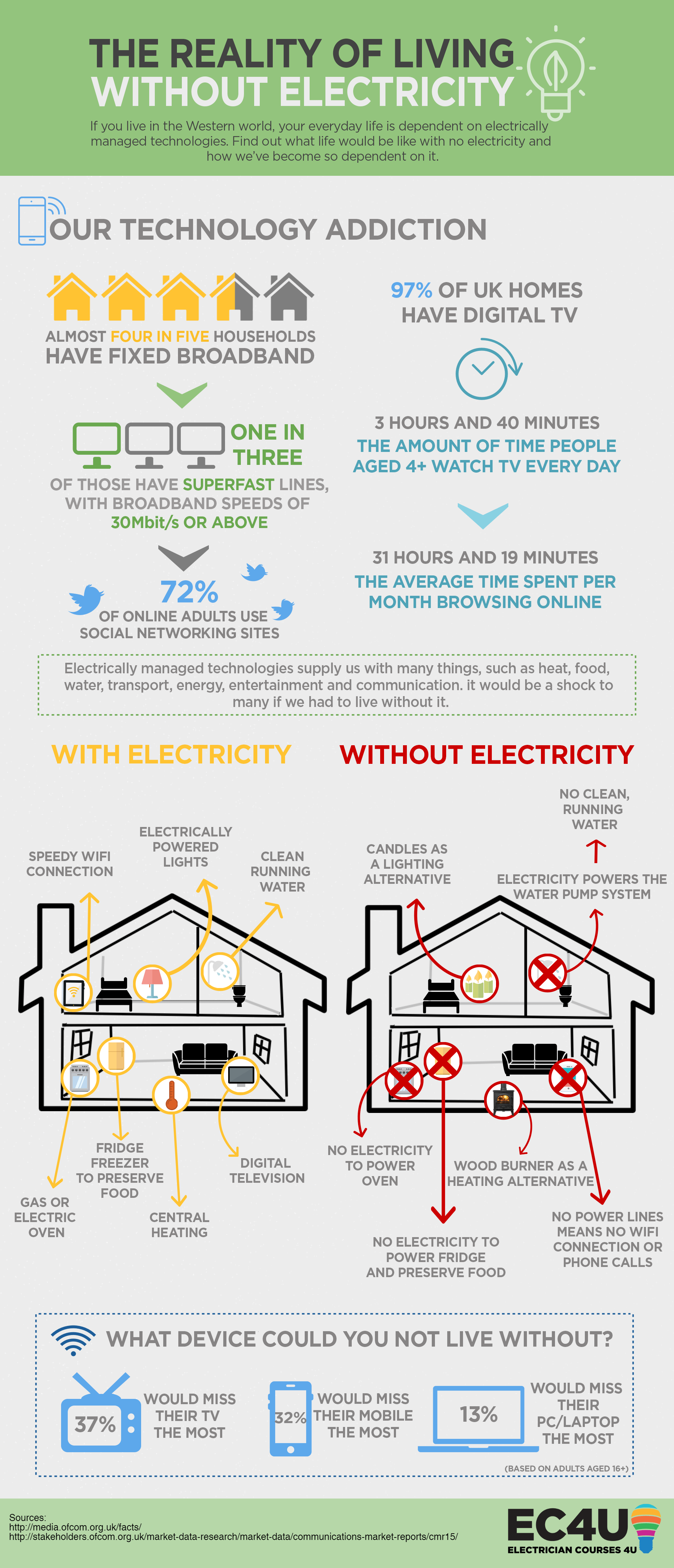
It’s a thought that pops up every now and then, especially when the news talks about energy crises or grid strain: "Are we going to run out of electricity?" It sounds like we might just hit the bottom of the electricity barrel, like that last scoop of ice cream on a hot day. But here's the kicker: electricity isn't really a "thing" you store in a barrel. It's more like a constant, energetic dance.
The Great Energy Kitchen: How We Get Our Juice
Think of it like this: your electricity supply is less like a giant battery sitting in a warehouse (though batteries do play a role!) and more like a perpetually busy kitchen at a popular restaurant. You've got chefs (power plants) constantly cooking up new dishes (electricity) and waiters (the grid) immediately serving them to hungry customers (your home, your devices). The moment you flick a switch, that power is essentially being made and delivered instantly. It's not sitting around waiting; it's being cooked on demand.
Must Read
You know how when you flush the toilet, water instantly rushes in to refill the tank? Or how when you turn on the tap, water comes out right away, not from some fixed, dwindling reservoir in your house, but from a much larger, constantly replenished system? Electricity works similarly. It's not a finite "stock" we're drawing down from some giant cosmic battery that will eventually hit zero. Instead, it's about how much we can generate versus how much we need at any given moment.
So, where does all this magical juice come from? Well, it's a mix-and-match buffet! We've got the old faithfuls: burning stuff like natural gas or coal (think of it as really fancy, industrial-scale campfires boiling water to spin turbines – don't try this at home!). Then we have the eco-champions: wind turbines doing their majestic swirl, solar panels soaking up the sun like a lizard on a rock, and hydropower harnessing the awesome power of flowing water. Mother Nature really is doing a lot of the heavy lifting here, just asking for a little human engineering to convert it into something that can power your TikTok scrolling.
Balancing the Books: Keeping the Lights On
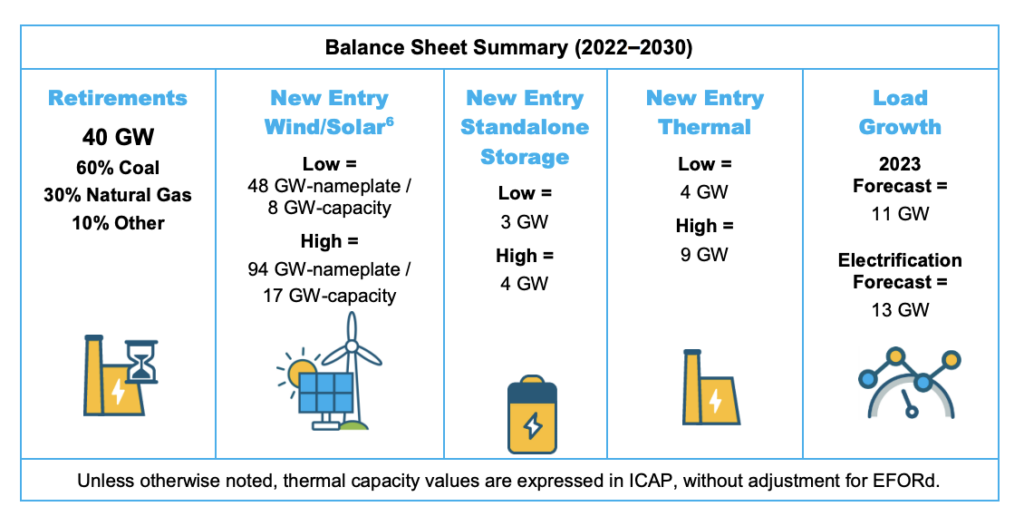
The real challenge isn't "running out" in the sense of the source drying up, but rather managing the flow. Imagine everyone in your city deciding to boil a kettle for tea at the exact same second. Or on a scorching summer day, every single air conditioner in the neighbourhood kicks into overdrive, turning every home into a personal Arctic expedition. That's a massive surge in demand!
The grid managers, bless their hearts, are like the world's most stressed-out traffic controllers, juggling a million tiny power requests. They're constantly trying to balance the supply coming in with the demand going out, making sure there are always enough electrons buzzing along the wires to keep your Wi-Fi router beaming. It’s like orchestrating a symphony where every instrument wants to play at maximum volume, all at once!
Sometimes, if demand skyrockets unexpectedly, or a major power plant decides to take an unscheduled nap (think of a chef suddenly needing a coffee break), that's when you get those dreaded blackouts. It's usually a temporary hiccup in the delivery system – a blown fuse, a broken circuit, or simply too many people asking for too much power right now – not a sign that we've used up all the electrons in the universe.
We’ve all been there, scrambling for candles, trying to remember where we put that dusty old battery radio, or lamenting the sudden inability to microwave popcorn for movie night. It's a jarring reminder of how deeply integrated electricity is into our daily rhythm. But these moments, while inconvenient, are typically local issues – a transformer blowing down the street, a tree branch playing chicken with a power line, or maybe just a particularly grumpy storm flexing its muscles.

The Future is Bright (and Wired!)
Now, are things changing? Absolutely! We're plugging in more than ever. Electric cars are becoming the new normal (who needs petrol stations when you have a charging port?), and our homes are packed with more smart gadgets than a Silicon Valley start-up. This means more demand. But it also means more innovation. We're getting much smarter about how we generate and use power. Think smarter grids, better batteries for storage (so we can save some of that solar energy for a rainy night!), and more diverse renewable sources. We're learning to be better energy chefs and more efficient waiters.
So, will we suddenly wake up one day and find that all the electricity has simply... evaporated? Probably not. The planet isn't running out of wind, sun, or water anytime soon. What we're constantly working on is making sure we have enough infrastructure and smart systems to capture and deliver that energy efficiently to everyone who needs it. It's a massive, complex, ever-evolving puzzle, but humanity has a pretty good track record of solving big puzzles.
The next time your lights flicker, don't panic that the world's energy supply is about to hit empty. It's more likely a local hiccup, perhaps a squirrel who thought power lines looked like a fun tightrope, or a particularly gusty storm showing off. So, go ahead, charge your phone, binge that show, and keep the fridge humming. Just maybe, you know, unplug your charger when it's done. Every little bit helps the traffic controllers!
