Will Solar Panels Save Me Money
Ah, the humble solar panel. It sits there, gleaming on rooftops, silently harnessing the colossal power of our nearest star. For many of us, the dream isn't just about being eco-conscious (though that's a fantastic bonus!); it's about that tantalizing promise: saving money. Who doesn't love the idea of turning sunshine into cold, hard cash – or at least, significantly lower utility bills? It’s a bit like having a magic money tree, but instead of growing dollars, it grows kilowatt-hours. The allure is real, a blend of cutting-edge technology and good old-fashioned fiscal prudence, appealing to the inner accountant in all of us.
At its heart, solar energy serves a profoundly practical purpose in our daily lives: it provides electricity. Instead of relying solely on the grid, powered by often fossil-fuel-intensive sources, solar panels transform sunlight directly into usable energy for your home. This means powering your lights, appliances, and even your air conditioning with energy that falls free from the sky. The immediate benefit is often a noticeable reduction in your monthly electricity bill, shielding you from volatile energy prices and giving you a sense of energy independence. Furthermore, installing solar can increase your home’s value, making it a savvy long-term investment.
You see solar panels everywhere these days, not just on residential rooftops. They power streetlights, warm swimming pools, charge electric vehicles, and even keep your garden lights twinkling without needing a single battery change. Commercial buildings, schools, and even entire communities are embracing solar. For homeowners, it’s about taking control, converting a major household expense into a sustainable asset, and contributing to a greener future without sacrificing modern conveniences.
Must Read
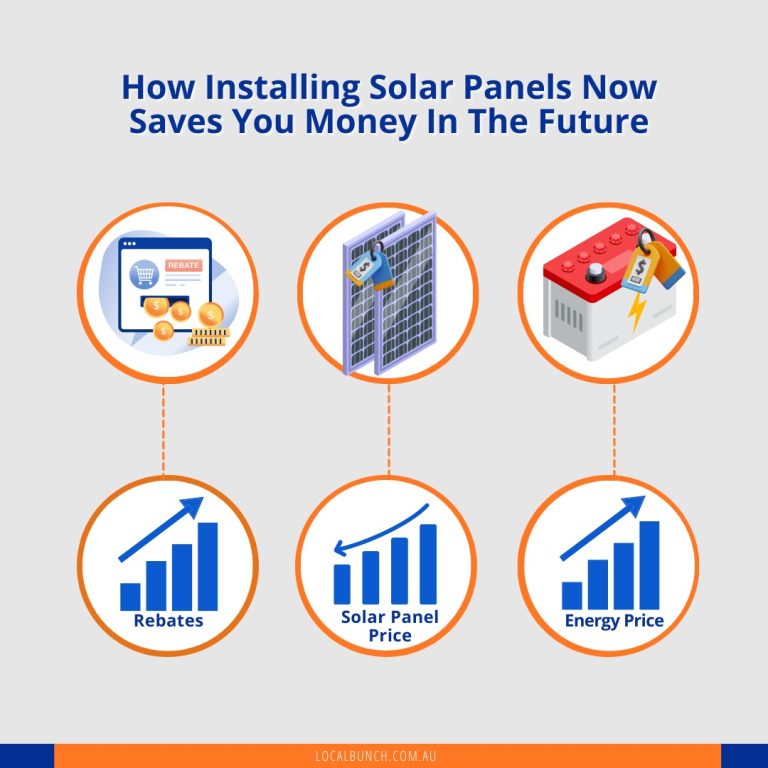
Now, to the million-dollar question: how do you ensure solar panels truly save you money and you enjoy those savings effectively? It's not just about slapping them on the roof; it's about smart planning. First, get multiple quotes from reputable installers. Prices can vary widely, so shop around for the best value and warranty. Next, dive deep into understanding your local and federal incentives. The federal solar tax credit (currently 30%!) is a massive benefit, and many states offer additional rebates, grants, or favorable net metering policies that pay you for excess energy fed back to the grid. These programs can significantly offset upfront costs and accelerate your payback.
It's also crucial to assess your energy usage before committing. A system that’s too small won't maximize savings, and one that’s too large might not be cost-effective. An energy audit can pinpoint where you’re using the most power, allowing you to right-size your solar array. Consider adding a battery storage system if your budget allows. While an extra upfront cost, batteries offer true energy independence, protect you during outages, and allow you to store cheap solar energy to use during expensive peak utility hours. Finally, keep an eye on your system's performance. Most modern setups come with monitoring apps; make sure your panels are clean (a simple hose down a couple of times a year helps!) and operating at peak efficiency. With foresight and careful planning, your solar panels won't just sit there; they’ll be hard at work, saving you money for years to come.