Will Natural Gas Prices Go Down
Ever found yourself staring at your utility bill, wondering if the cost of keeping your home toasty (or cool!) will ever give your wallet a break? You're not alone! Natural gas is a silent but significant player in our daily lives, fueling everything from our morning shower to the electricity that powers our screens. That's why the question, “Will natural gas prices go down?” is so much more than just an economic query – it's a conversation starter, a budget planner, and a topic that truly touches everyone, making it surprisingly fun and incredibly useful to understand.
The purpose of diving into this topic isn't to turn you into a market analyst overnight, but rather to pull back the curtain on something that often feels mysterious. By understanding the key ingredients that bake up natural gas prices, you gain the benefit of knowing what’s happening. This knowledge can help you make smarter decisions, ease anxieties about future bills, and even impress your friends at your next gathering with your newfound wisdom about energy markets. Let's demystify it together!
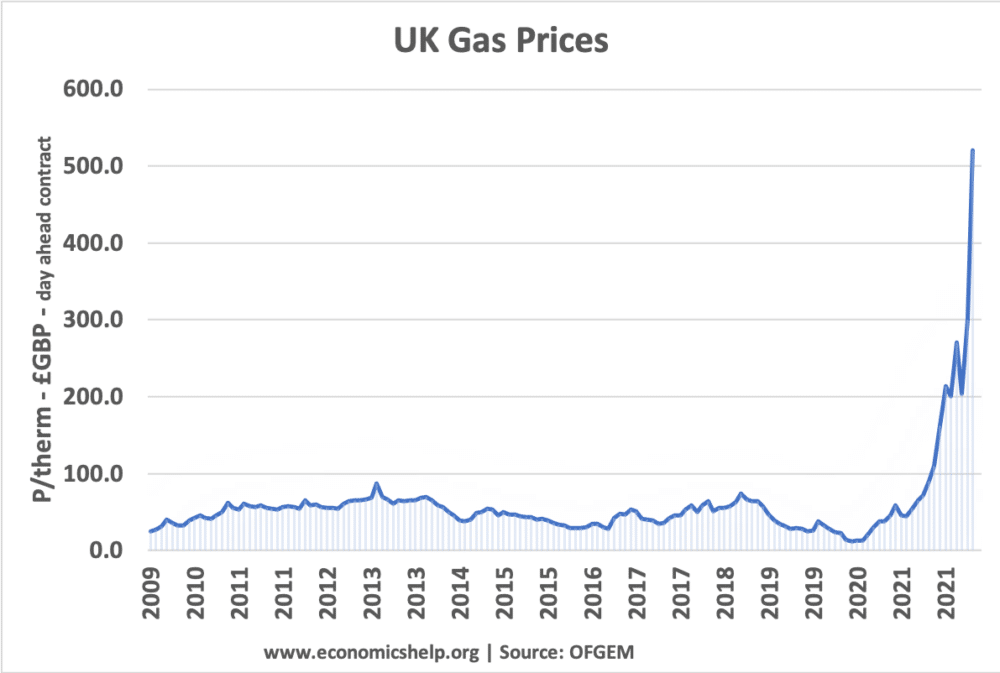
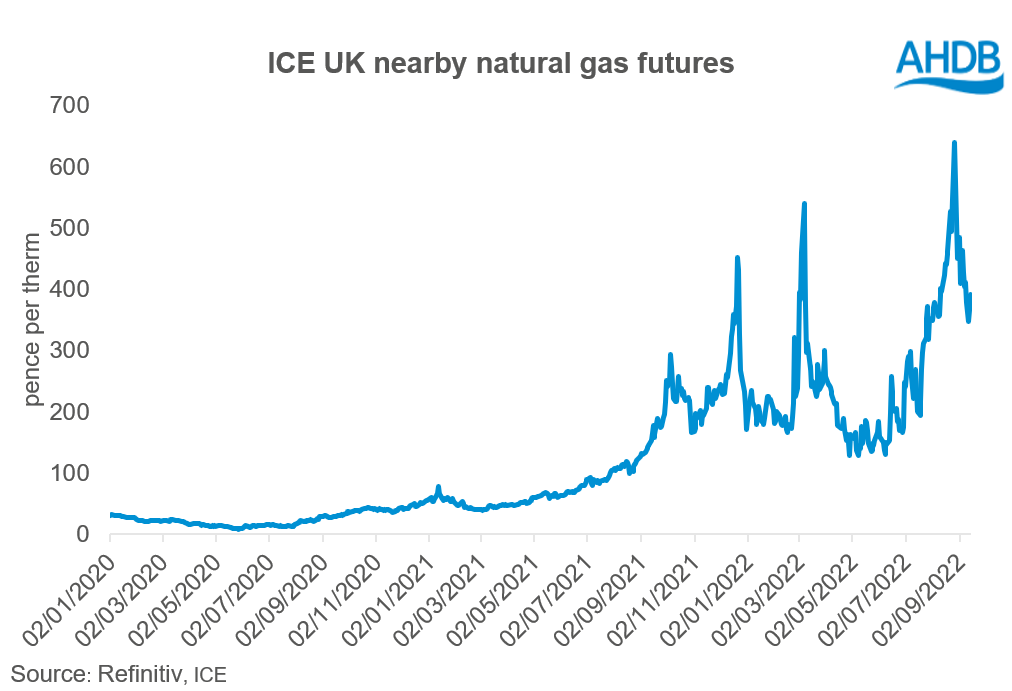
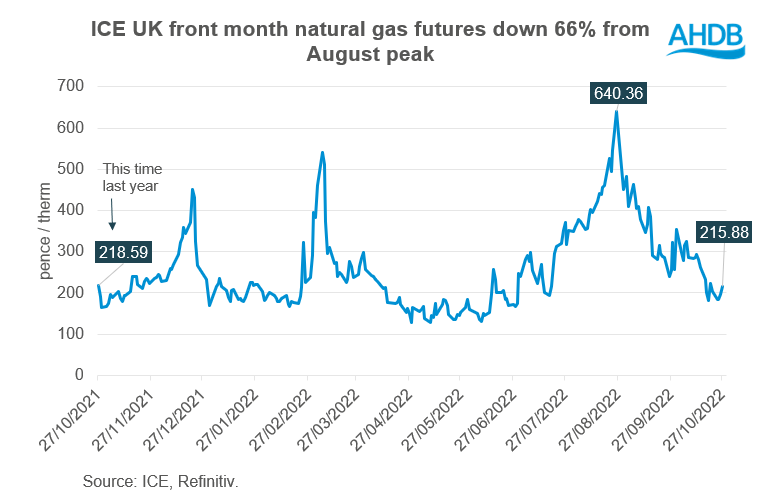
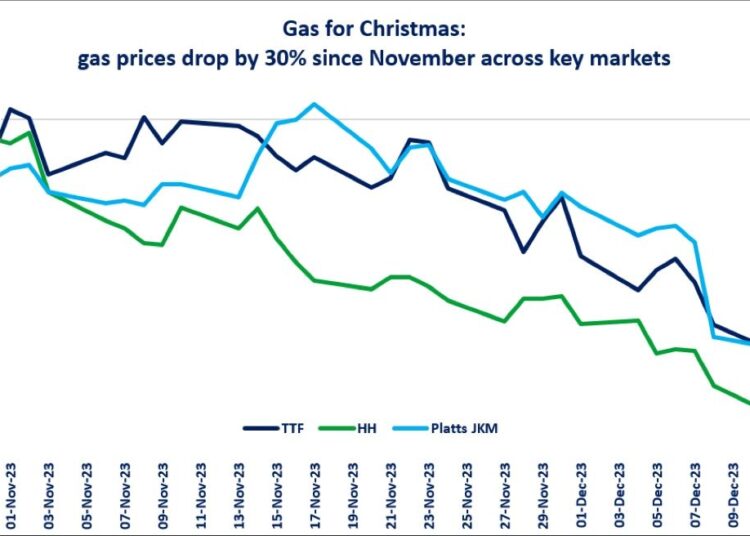
So, what exactly makes natural gas prices ebb and flow like the tides? It's a fascinating dance between supply and demand, sprinkled with a dash of global events and Mother Nature's unpredictable mood swings. When we ask if prices will go down, we're really asking if factors will align to increase supply or decrease demand.
Must Read
One of the biggest movers and shakers is, you guessed it, the weather! Imagine a surprisingly mild winter across North America. Fewer people cranking up their thermostats means lower demand for heating, leaving more natural gas in storage. This surplus often translates to lower prices. Conversely, a scorching summer can spike demand for electricity to power air conditioners, and since many power plants run on natural gas, this can push prices up. So, keep an eye on those long-range forecasts!
Then there's the supply side of the equation. If natural gas producers are drilling more efficiently or discovering new reserves, the overall supply available increases. More gas chasing the same demand tends to make prices dip. On the other hand, disruptions like pipeline maintenance, geopolitical events affecting major producing regions, or even hurricanes in the Gulf of Mexico can temporarily tighten supply, causing prices to climb. We also need to consider storage levels – when gas inventories are high going into a peak demand season, it often signals that prices might remain stable or even fall.
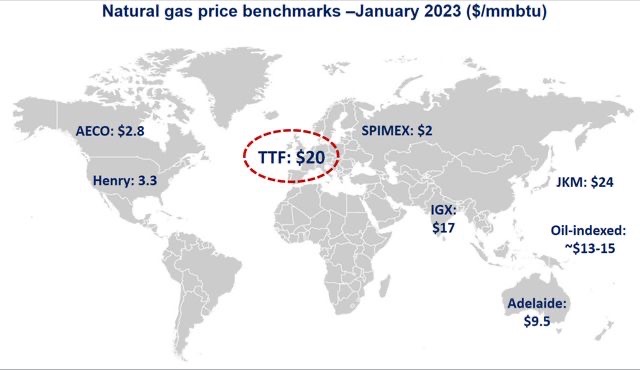
Finally, don't forget the growing role of exports. The U.S. has become a major exporter of Liquefied Natural Gas (LNG), shipping it to various countries around the globe. While this is great for the economy, if global demand for U.S. LNG is very high, it can mean less gas is available domestically, potentially putting upward pressure on local prices. However, if international demand cools, more gas stays home, which could help bring prices down.
Ultimately, whether natural gas prices will go down isn't a simple yes or no answer. It's a dynamic interplay of mild weather, robust production, healthy storage levels, and balanced export demand. While we can't predict the future with certainty, understanding these key drivers empowers you to be a more informed energy consumer. Keep an eye on these factors, and you'll be well on your way to understanding the fascinating world of natural gas prices!