Will I Still Have Water If The Power Goes Out
Ever been caught in a sudden power outage? The lights flicker, the TV dies, and a wave of slight panic might wash over you. But beyond the immediate inconvenience, have you ever wondered about something more fundamental: will you still have water? It's a question that touches on our basic needs and how reliant we've become on the often-unseen infrastructure that supports our modern lives. Figuring out the answer isn't just about satisfying curiosity; it's about being prepared.
Understanding whether you'll have water when the power goes out boils down to understanding how your water gets to you in the first place. Most homes rely on either a municipal water supply or a private well. The difference between the two dictates your situation during a power outage.
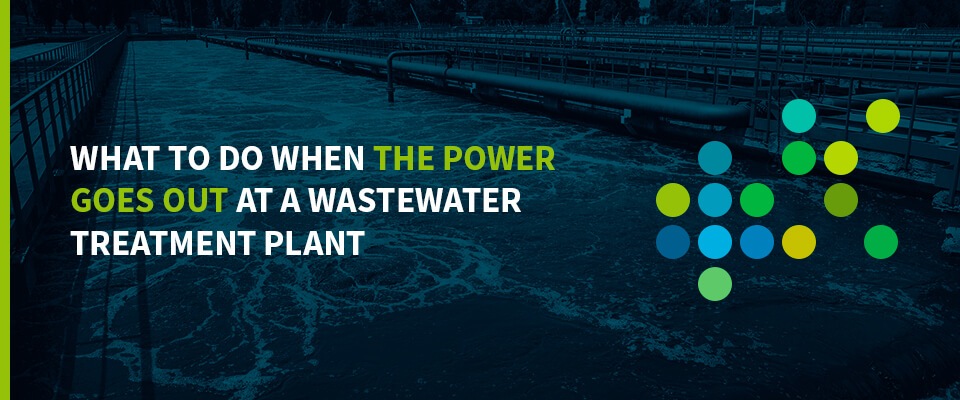
If you're connected to a municipal water system, your water is pumped from a central source (like a river or reservoir) to a treatment plant, and then distributed to homes via a network of pipes. Many municipal systems have backup power generators, especially for critical infrastructure like pumping stations. This means that even during a power outage, the water pressure in the mains might be maintained, at least for a while. However, this isn't always guaranteed. Older systems, or those experiencing high demand, might see a pressure drop, or even a complete loss of water. Knowing if your municipality has generators for its water facilities can be very important to know.
Must Read
On the other hand, if you have a private well, your water is pumped directly from the ground into your home using an electric well pump. No electricity means no pumping. Unless you have a backup power source, like a generator or a solar-powered pump, you will quickly lose water pressure as your pressure tank empties. This makes understanding your water source vital. It is also important to know how much water is stored in your pressure tank.
Knowing this information has practical benefits. In schools, educators can use this scenario to teach students about infrastructure, resource management, and the importance of emergency preparedness. At home, understanding your water system helps you make informed decisions about water storage. You might decide to keep a supply of bottled water, or invest in a manual hand pump for your well.
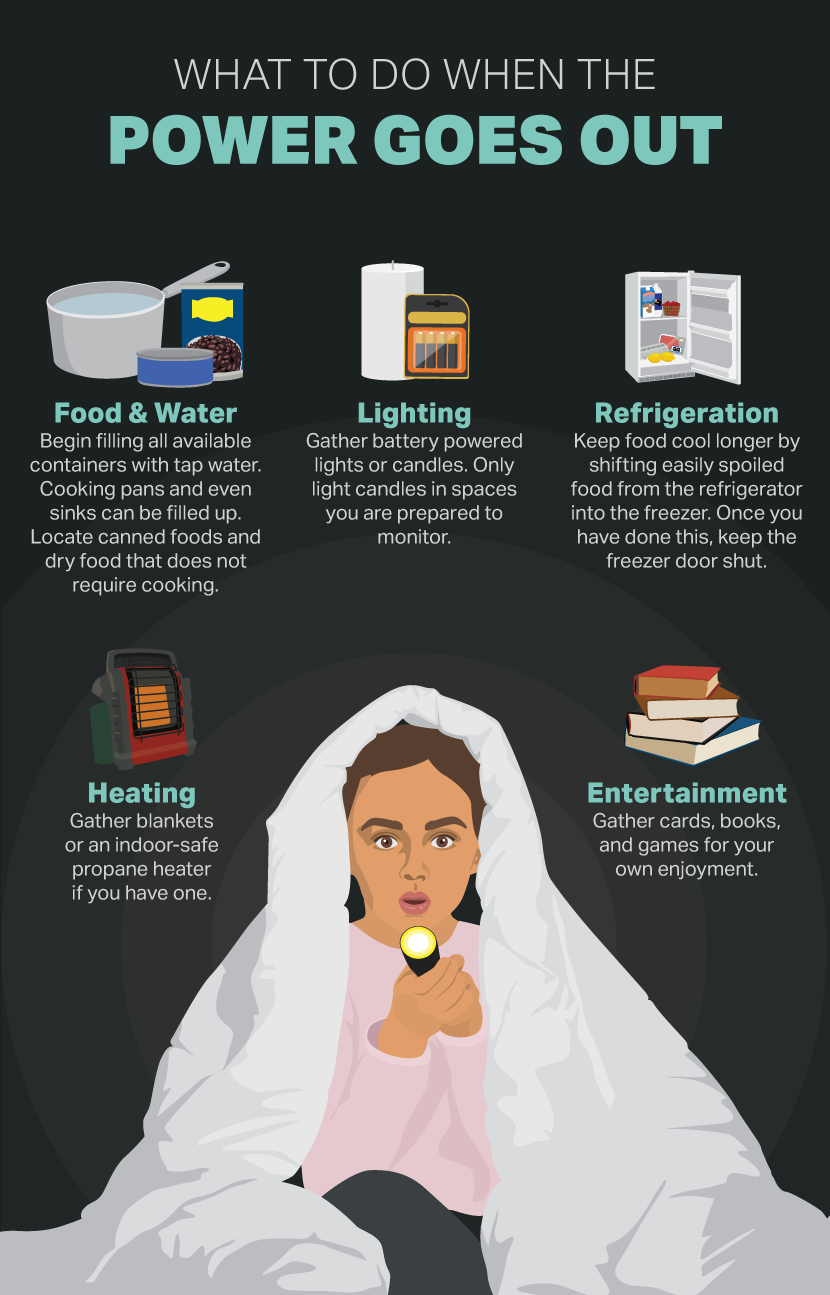
In daily life, this knowledge can be surprisingly useful. For instance, during a severe storm warning, you can proactively fill bathtubs and containers with water for flushing toilets and other non-potable uses, giving you a head start if the power goes out. Even knowing how quickly your pressure tank empties during a power outage can allow you to ration water usage and plan accordingly.
Want to explore this further? Start by contacting your local water utility company. Ask them about their backup power plans and how they handle power outages. If you have a well, investigate manual hand pumps or backup generator options. You can even perform a simple experiment: turn off the power to your well pump and observe how long it takes for the water pressure to drop. This will give you a realistic understanding of your water situation during an outage. The key takeaway is that being informed and prepared will make you more resilient when the lights go out. Water is life; understanding how to access it is a crucial skill in our increasingly unpredictable world.