
Will Gas Leak Set Off Carbon Monoxide Detector
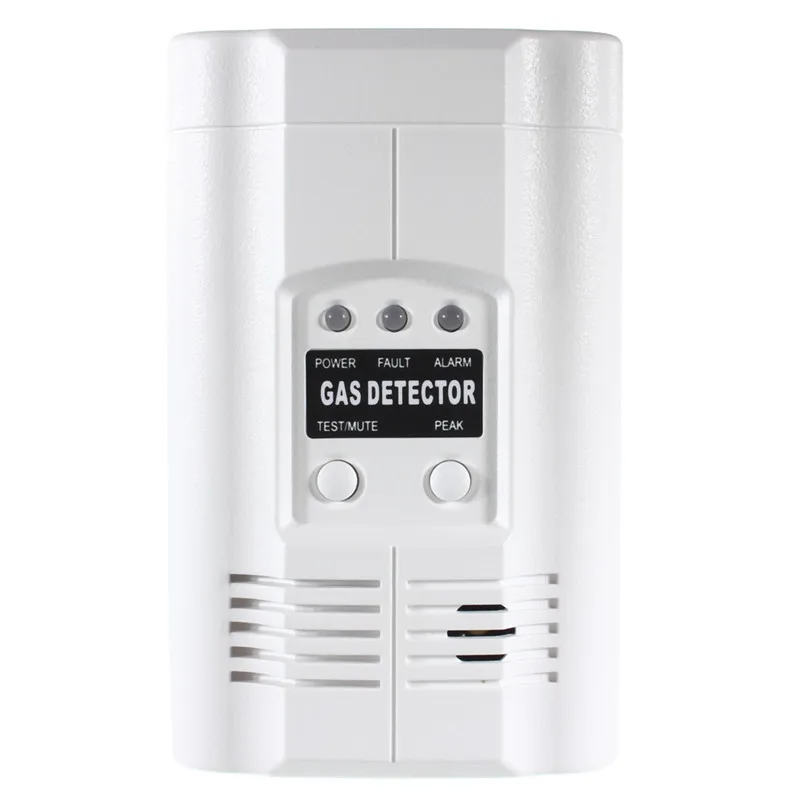
Okay, let's dive into a question that might have you scratching your head, or maybe even frantically checking your kitchen appliances: will a gas leak set off your carbon monoxide detector? The short, sweet, and slightly unsatisfying answer is... usually, no.
But before you breathe a sigh of relief, or start questioning the very nature of reality, let's unpack this a little. It's not quite as simple as a yes or no.
The Case of Mistaken Identity: Methane vs. Carbon Monoxide
Think of it like this: methane, the main component of natural gas, and carbon monoxide, the silent killer, are two completely different characters in the drama of your home. They have different personalities, different habits, and, crucially, different detectors.
Must Read
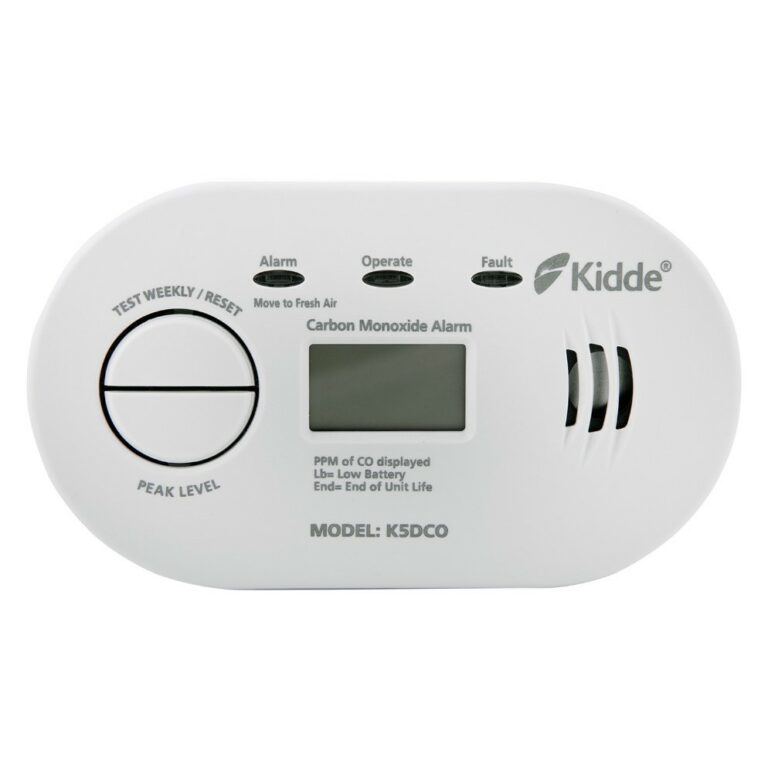
Methane, the sneaky one, escapes from your gas line. Carbon monoxide, the real villain, is created when fuels like gas, wood, or propane don't burn completely. Think of a poorly maintained furnace or a car running in a closed garage.
So, expecting a carbon monoxide detector to scream about a gas leak is like asking your dog to meow. He might want to help, but he's just not equipped for the job!
Why the Confusion?
So, why do people often get them mixed up? Well, both can be invisible and odorless, which definitely adds to the confusion. Plus, they both have the potential to make you very, very sick.
The similarity in potential danger probably adds to the assumption that one detector should cover both. It’s a logical leap, even if it’s a wrong one.
Another reason? Marketing! Sometimes, companies blur the lines when advertising detectors, hoping to scoop up more sales by implying broader coverage. Always read the fine print!

Enter: The Gas Leak Detector, Our Unsung Hero
While your carbon monoxide detector is busy sniffing out incomplete combustion, who's protecting you from a gas leak? That's where the humble gas leak detector comes in.
These devices are specifically designed to detect the presence of natural gas (methane) or propane in the air. They usually sound an alarm that is unique in sound, and can even be different in pitch.
Think of them as the specialized sniffer dogs of the safety world. They have one job, and they're darn good at it.
A Word to the Wise: Smell Something? Act!
Even with gas leak detectors, your nose is still your first line of defense. If you smell that distinctive rotten egg odor – the one they add to natural gas specifically so you can smell it – don’t hesitate.
Get everyone out of the house immediately. Do not switch on any lights or appliances, as a spark could ignite the gas. Call the gas company or the fire department from a safe location.
Ignoring that smell is like ignoring a giant flashing neon sign that says "Danger!" It's simply not worth the risk.
The Heartwarming Tale of the Bird and the Detector
Okay, so here's where things get a little... well, heartwarming, in a weird way. Remember, carbon monoxide detectors are designed for incomplete combustion? This leads to some interesting scenarios.
Imagine this: A family enjoys a cozy evening with their fireplace blazing. A tiny bird, somehow, finds its way down the chimney and ends up flapping frantically in the firebox.
The inefficient burning, caused by the disruption in airflow, triggers the carbon monoxide detector! In this bizarre, slightly tragic, but ultimately safe situation, the detector did its job, indirectly saving the family from potential harm because of a bird stuck in the fire place.
The Humorous Side of Home Safety
Let's face it, home safety can be a bit of a drag. We're talking about potential disasters and serious health risks. Who wants to dwell on that all the time?
But there's also a certain absurdity to it all. The fact that we rely on little electronic boxes to protect us from invisible dangers. The fact that we have to add a stinky smell to a gas so we know when it's leaking.
The image of a frantic bird setting off a carbon monoxide detector is funny, even though the situation itself wasn't. Finding the humor in these everyday safety measures can make them less daunting, and maybe even a little bit more memorable.
The Takeaway: Be Prepared, Not Scared
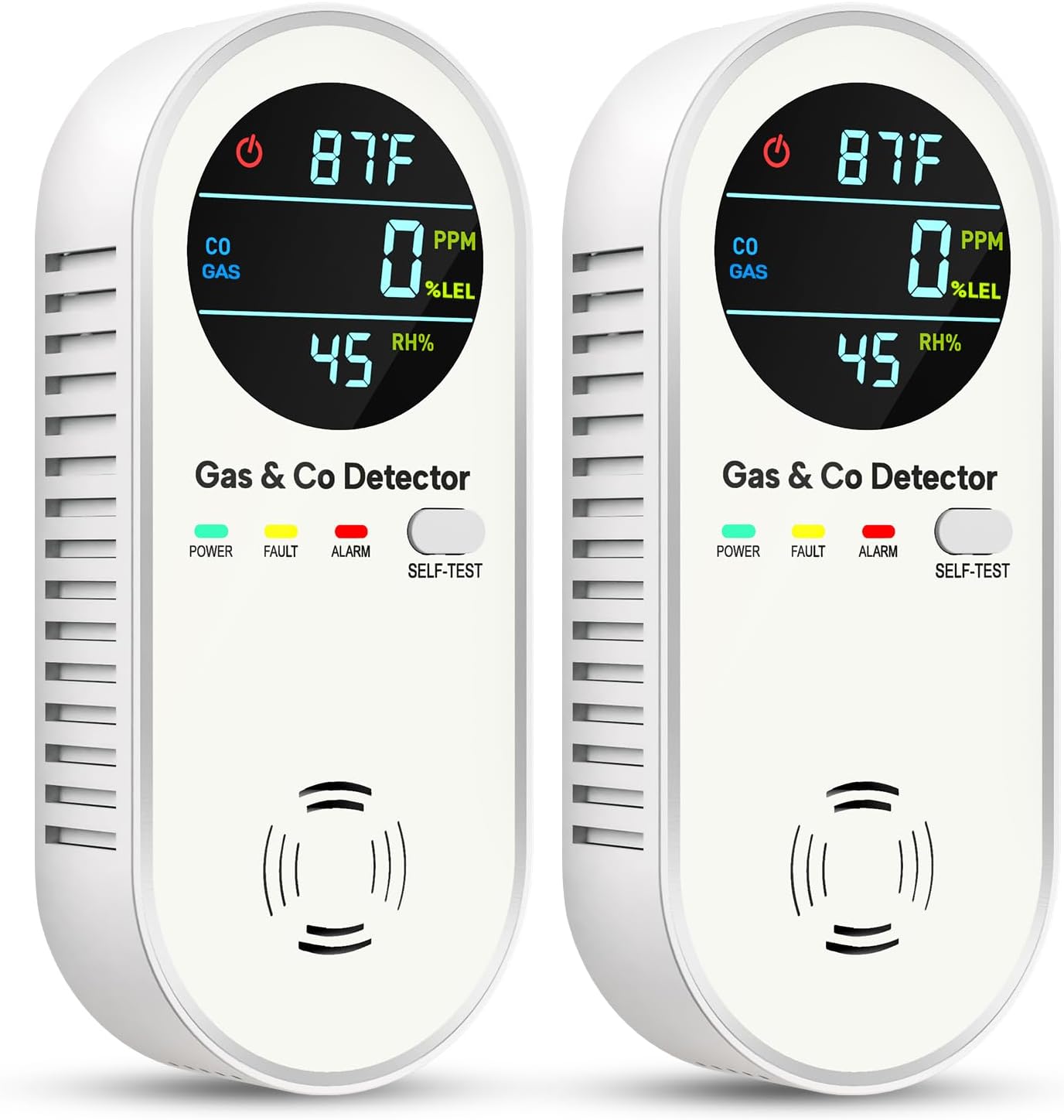
So, to recap: a gas leak won't directly set off your carbon monoxide detector. You need a separate gas leak detector for that peace of mind.
Make sure you have both types of detectors, and test them regularly. Replace them according to the manufacturer's instructions. It’s a small investment that can save lives.
And remember, if you smell gas, don't panic. Just act quickly, calmly, and decisively. Your safety – and the safety of your loved ones – depends on it.
Beyond the Detectors: Prevention is Key
While detectors are crucial, preventing gas leaks and carbon monoxide buildup in the first place is even better. Regular maintenance of your appliances is key.
Have your furnace, water heater, and other gas-burning appliances inspected annually by a qualified technician. Ensure proper ventilation for all appliances.
Don't use charcoal grills or portable generators indoors. It seems obvious, but it's a mistake that people make more often than you think.
The Final Thought: A Little Knowledge Goes a Long Way
Understanding the difference between gas leaks and carbon monoxide poisoning, and knowing how to protect yourself from both, is a simple way to be a responsible homeowner or renter.
It's not about living in fear, it's about being informed and prepared. It's about creating a safe and healthy environment for yourself and your loved ones.
And who knows, maybe one day you'll have a funny story to tell about a bird, a detector, and a slightly absurd brush with home safety. And maybe after reading this article, you can call yourself an expert in your friend group!