
Will Co Detector Detect Gas Leak
Hey there, home safety superstar! Ever found yourself staring at that little white puck on your wall or ceiling – your trusty carbon monoxide detector – and thought, "Hmm, I wonder if this thing would also tell me if I had a gas leak?"
It's a super common, totally valid question! After all, both carbon monoxide and natural gas are invisible, odorless (mostly!), and can be really dangerous. So, it makes sense to wonder if one clever gadget can handle both jobs, right?
Let's Get Straight to It: The Short Answer
Here's the scoop, straight up: Generally speaking, a standard carbon monoxide (CO) detector is not designed to detect a natural gas leak. They're like two different superheroes with very specific powers, even if they both wear capes that say "HOME SAFETY!"
Must Read
Curious why? Let's dive into the fascinating world of gases and the cool tech that keeps us safe!
Meet Carbon Monoxide (CO): The Silent Sneak
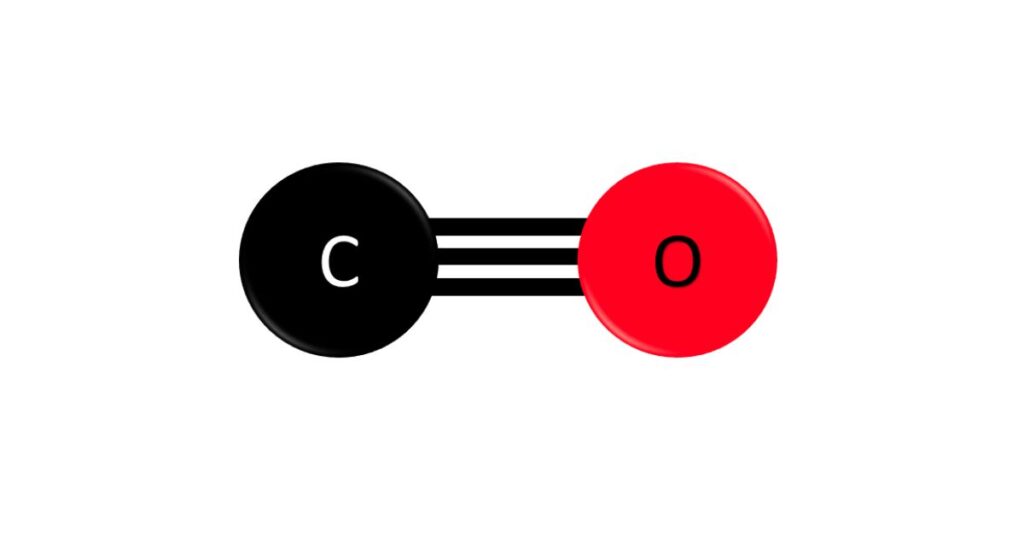
First off, let's chat about carbon monoxide. You know it as the "silent killer" for a reason. It's a gas that comes from the incomplete burning of fuels – things like wood in your fireplace, natural gas in your furnace, gasoline in your car, or propane in your BBQ. It has no smell, no taste, and no color. Pretty sneaky, huh?
Your CO detector works by having a specialized sensor that's designed to literally sniff out only carbon monoxide molecules. Think of it like a highly trained sniffing dog. If you train a dog to find truffles, it's not suddenly going to find a stash of hidden cookies, even though both are exciting finds!
Now, Meet Natural Gas (or Propane): The Fuel Fanatic
On the other side of the safety fence, we have natural gas (mostly methane) or propane, which are the gases that fuel your stove, water heater, and furnace. These are different beasts entirely!
While naturally odorless, gas companies actually add a chemical to natural gas that gives it that distinct, unmistakable "rotten egg" smell. This is a brilliant safety measure, giving you an immediate, old-school alert system. But what if your nose is stuffy, or the leak is super tiny?
Why One Can't Do the Other's Job: It's All About Chemistry!
The core reason a CO detector won't catch a natural gas leak comes down to their chemical makeup. Carbon monoxide (CO) is one thing. Methane (CH4) or Propane (C3H8) are completely different things. Each gas has a unique molecular structure, like a unique key needing a unique lock.

The sensors in your CO detector are calibrated to react specifically to carbon monoxide. It's like asking your car's fuel gauge to tell you if you're low on wiper fluid. Both are crucial for your car, but they measure totally different things!
A natural gas or propane leak detector, on the other hand, has a sensor tuned specifically to those hydrocarbons. It's looking for a different "signature" in the air.
So, What Does This Mean for Your Home?
This means that for truly comprehensive home safety, you really need both types of detectors.
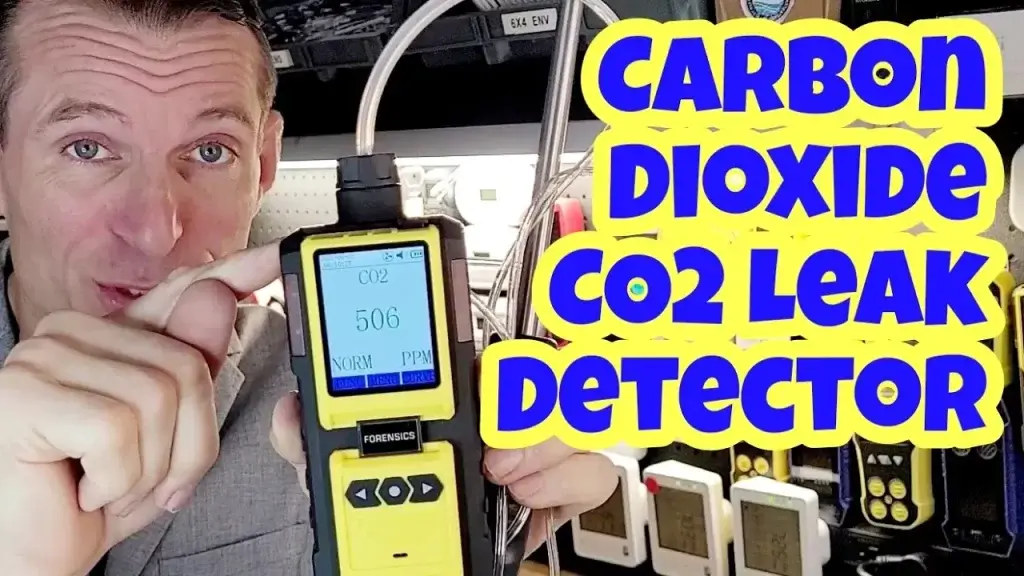
You need your carbon monoxide detector to warn you if your furnace is malfunctioning and producing CO, or if fumes from your car are seeping in from the garage. This is literally life-saving stuff, especially since CO is odorless.
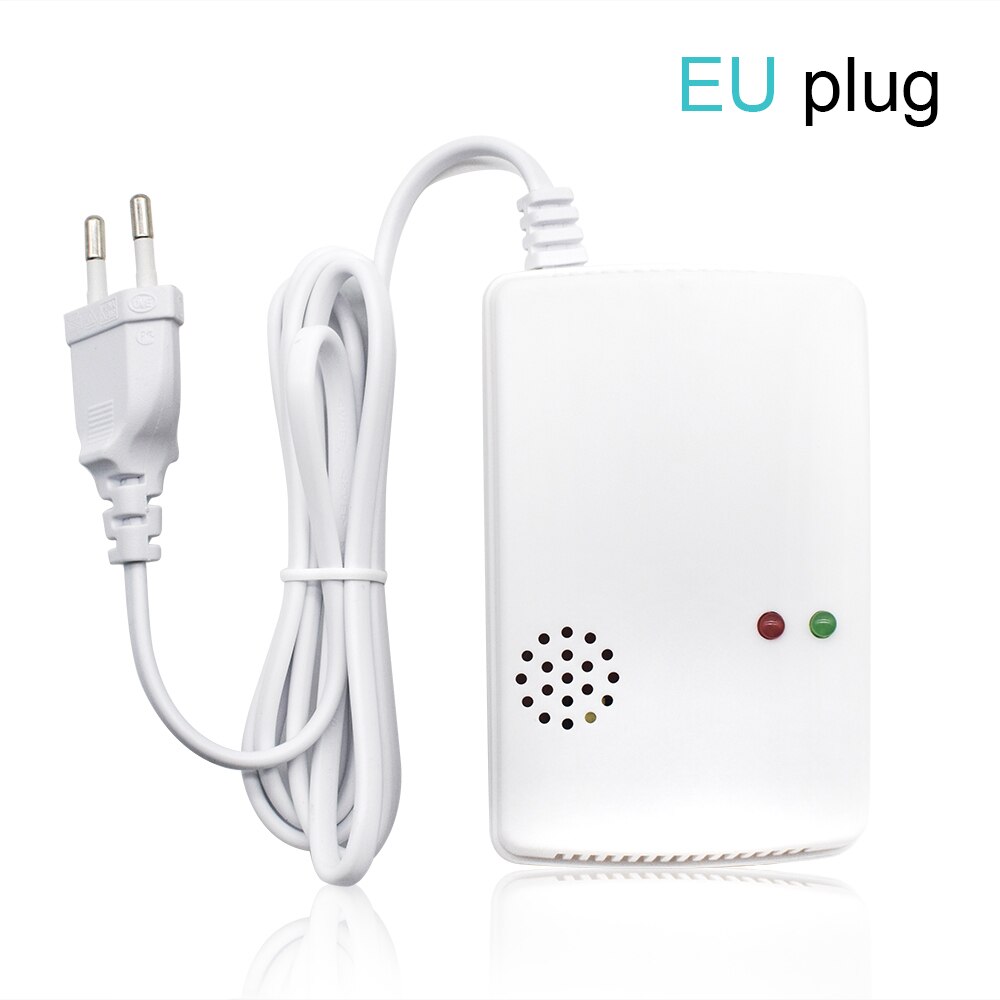
And you need a dedicated natural gas detector (especially if you have gas appliances or a propane tank) to alert you to those "rotten egg" smells, or even before you smell anything if it's a very slow leak. These are usually plug-in units that you can place near your gas appliances.
The Cool Factor of Specific Sensors
Isn't it fascinating how precise modern technology can be? Think about it: these little gadgets are designed to pick out specific molecules from the air around us and trigger an alarm. It's like having microscopic, super-smart security guards for your home, each specializing in a different kind of intruder.
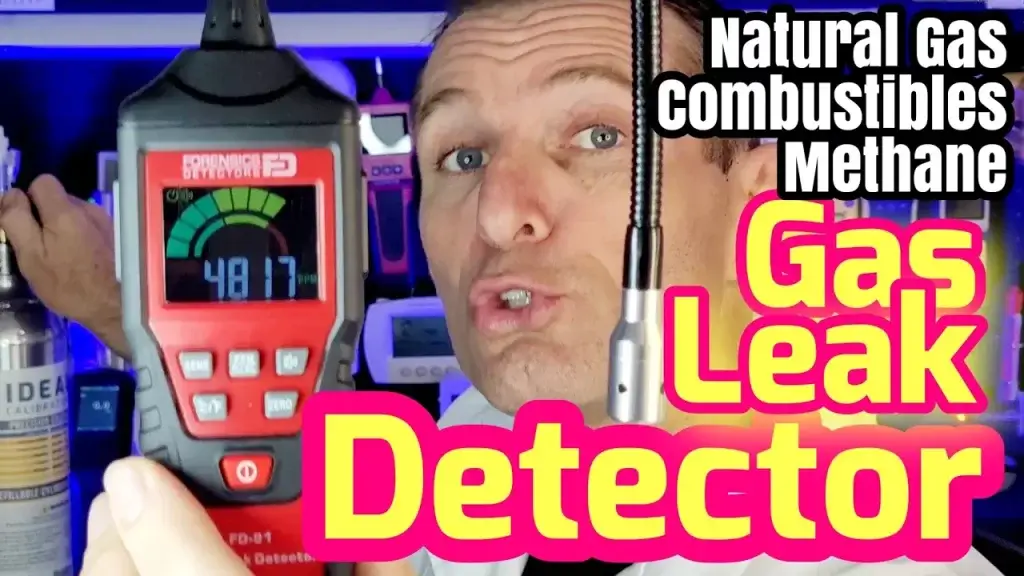
This level of specificity is what makes them so effective. Instead of a general "uh-oh, something's in the air" alarm, you get a targeted warning about exactly what the danger is, allowing you to react appropriately.
What to Do if You Smell Gas?
Even with detectors, if you ever smell that distinctive "rotten egg" odor of natural gas (or propane), don't wait for an alarm! Your nose is an amazing first line of defense. Here's the drill:
- Don't turn on or off any lights or electrical appliances.
- Don't use your phone inside the house.
- Get everyone out of the house immediately.
- Once you're safely outside, call your gas company's emergency line or 911 from a safe distance.
The Takeaway: Double Up for Double Safety!
So, to wrap it up: while your CO detector is an absolute lifesaver for identifying the invisible threat of carbon monoxide, it's not going to clue you into a natural gas leak. They're both incredibly important pieces of your home safety puzzle, each with its own vital role.
Investing in both types of detectors is a super smart move. It means you've got all your bases covered against these invisible, potentially dangerous gases, letting you relax and enjoy your home with true peace of mind. Stay safe out there!