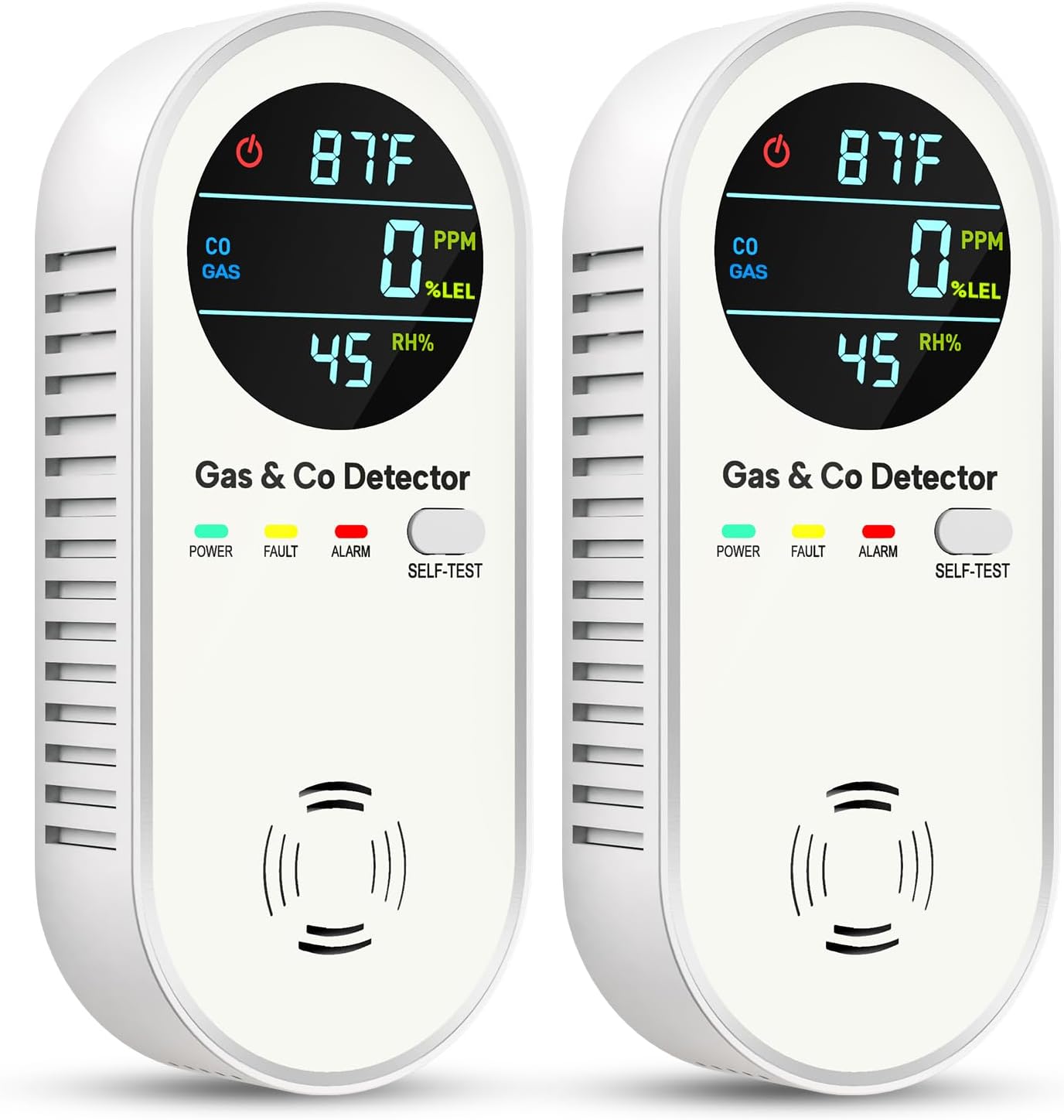
Will Carbon Monoxide Detectors Detect Natural Gas
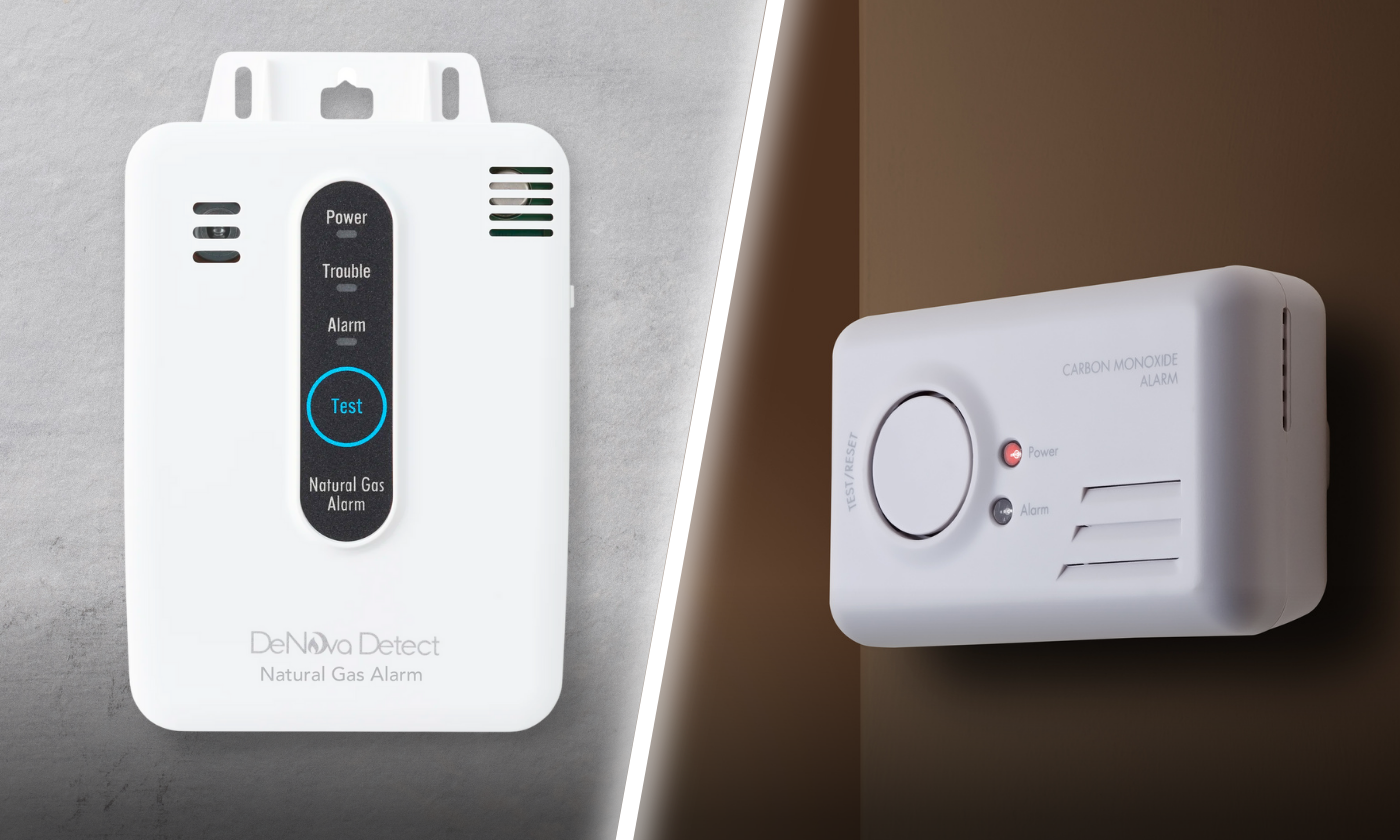
Let's talk about gases! Okay, maybe not the most thrilling cocktail party conversation starter, but hear me out. We're diving into the world of invisible dangers lurking in our homes – specifically, carbon monoxide and natural gas. Understanding how to protect yourself and your family is not only useful, it can literally be a lifesaver. And that, my friends, is pretty darn interesting!
So, the burning question (pun intended!): Will your carbon monoxide detector alert you to a natural gas leak? The short answer is: No. But let's unpack that a bit so you understand why.
Carbon monoxide (CO) detectors are designed for one specific job: to detect the presence of carbon monoxide. CO is a silent killer. It's odorless, colorless, and produced by the incomplete burning of fuels like wood, propane, gasoline, and, yes, even natural gas. Think faulty furnaces, blocked chimneys, or running a car in a closed garage. These detectors work by using sensors that react to the presence of CO, triggering an alarm when the levels become dangerously high. Their sole purpose is to protect you from CO poisoning, which can cause flu-like symptoms, brain damage, and even death.
Must Read
Natural gas, on the other hand, is primarily methane. It's used for heating, cooking, and powering appliances. Pure methane is actually odorless, but gas companies intentionally add a chemical called mercaptan to give it that distinctive rotten egg smell. This is a safety measure so you can detect leaks. However, carbon monoxide detectors aren't equipped to detect mercaptan or methane. They're simply not built for that purpose.

Why not just have one detector for everything? Well, different gases require different detection methods. A device designed to detect methane would need a different type of sensor than one designed to detect carbon monoxide. Trying to combine them into a single unit could compromise the effectiveness of both, or lead to false alarms. Think of it like trying to use a wrench as a screwdriver – it might sort of work, but you're better off using the right tool for the job.
So, what should you do if you suspect a natural gas leak? First, get everyone out of the house immediately! Do not use any electrical devices (including your phone) as they could create a spark and ignite the gas. Once you are safely outside, call your local gas company or 911 from a neighbor's phone. They have specialized equipment to detect and repair leaks.
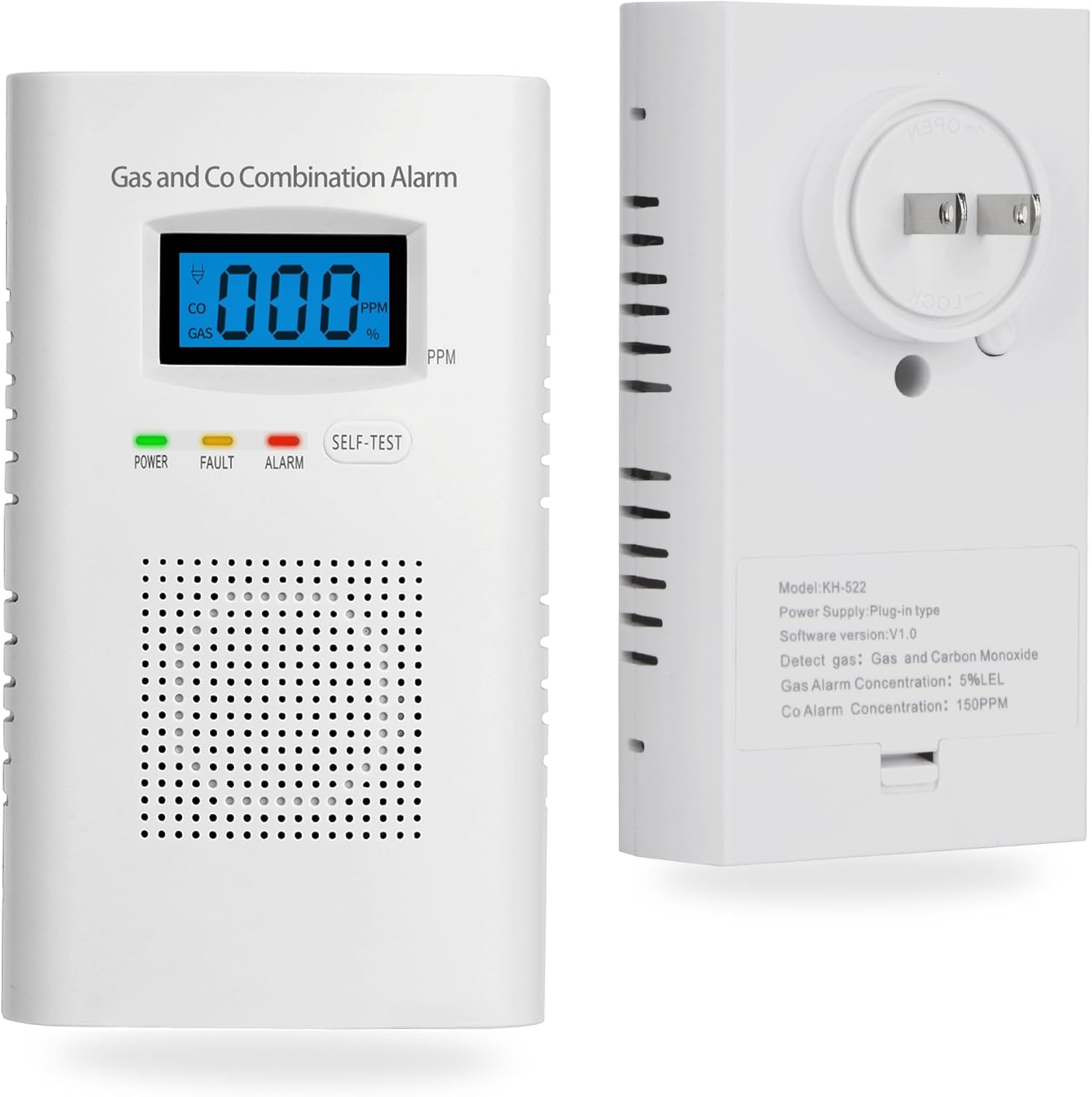
The best defense is a good offense! Make sure you have working carbon monoxide detectors on every level of your home, especially near sleeping areas. Test them regularly! For natural gas, rely on your nose and be vigilant. If you smell that rotten egg odor, act fast and follow the safety procedures outlined above. It is recommended to install a natural gas detector as well.
In conclusion, while a carbon monoxide detector is crucial for protecting you from CO poisoning, it won't detect natural gas. Understanding the difference between these gases and how to detect them is vital for keeping your home and family safe. Stay safe, stay informed, and breathe easy!