
Will A Septic Tank Freeze
Ever wonder about those unseen heroes beneath your yard?
We're talking about your septic tank, a true workhorse. It quietly manages all the wastewater from your home. It’s a vital part of many households.
But when winter bites with frosty teeth, a chilling question often pops up: Will a septic tank freeze? It’s a common worry.
Must Read
The Great Underground Protector
Most of the time, you can breathe a sigh of relief. Your septic tank is usually quite safe from Jack Frost's icy grip. This underground marvel is surprisingly resilient.
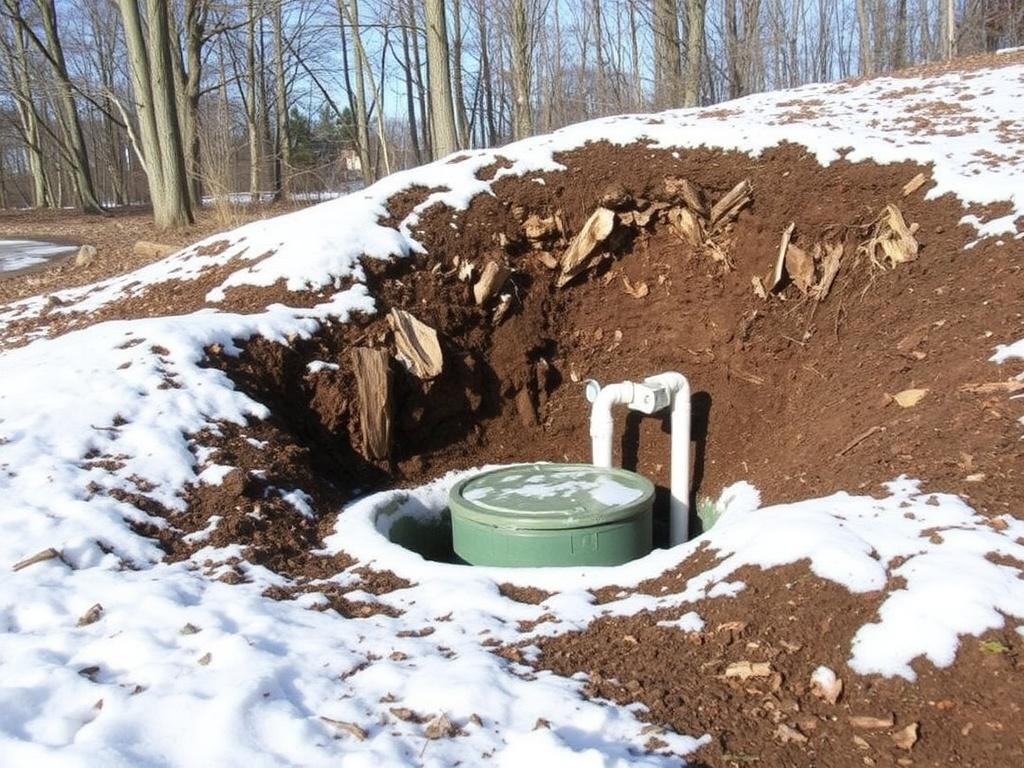
Think of it this way: your septic tank is buried deep underground. The earth itself acts like a giant, cozy blanket. This blanket keeps the tank insulated and relatively warm.
The ground temperature below the frost line stays pretty consistent. This natural warmth is a huge advantage. It helps keep the liquids inside your tank from turning solid.
Plus, your household is constantly adding warm water to the mix. Showers, laundry, dishwashing – all contribute a steady stream of warmer water. This constant flow helps prevent freezing too.
So, the tank itself is usually pretty well protected. It’s like a secret, warm bunker. It’s a fantastic feat of simple engineering.
Where the Frosty Trouble Can Start
While the main tank is generally safe, some parts of your system are a bit more vulnerable. These are the pipes leading to and from the tank. They are the septic system's arms and legs.
The pipes connecting your house to the tank can be a weak spot. Also, the pipes running from the tank to the drain field are at risk. These lines are often shallower than the tank itself.
Shallower pipes mean less of that wonderful earth-blanket protection. They are more exposed to the harsh, freezing air. This is where most freezing problems begin.

Imagine a tiny stream trying to fight a harsh winter. If it's flowing slowly and is very exposed, it's more likely to freeze. Your septic pipes are similar.
The Risky Business of Exposed Pipes
So, what makes these pipes so prone to freezing? Several factors can turn them into icy blockages. It’s often a combination of circumstances.
One big culprit is lack of insulation. If pipes are too close to the surface, they don't get enough natural warmth. They become targets for the cold.
Another reason is infrequent use. If you go away for a long winter vacation, water sits still in the pipes. Stagnant water freezes much faster than flowing water.
Leaks can also cause major headaches. A small drip can create a patch of ice that slowly grows. This growing ice can block the pipe entirely.
Extreme, prolonged cold snaps are also a danger. Even well-insulated systems can struggle in unbelievably frigid temperatures. Mother Nature can be relentless.
And here's a curious one: compacted snow. While a fluffy layer of snow can insulate, driving over your system compacts the snow. This pushes the cold down to the pipes, which is the opposite of helpful.
The ground above the pipes can also be an issue. If it's bare or has little plant cover, it's less insulated. Every little bit of cover helps protect those pipes.
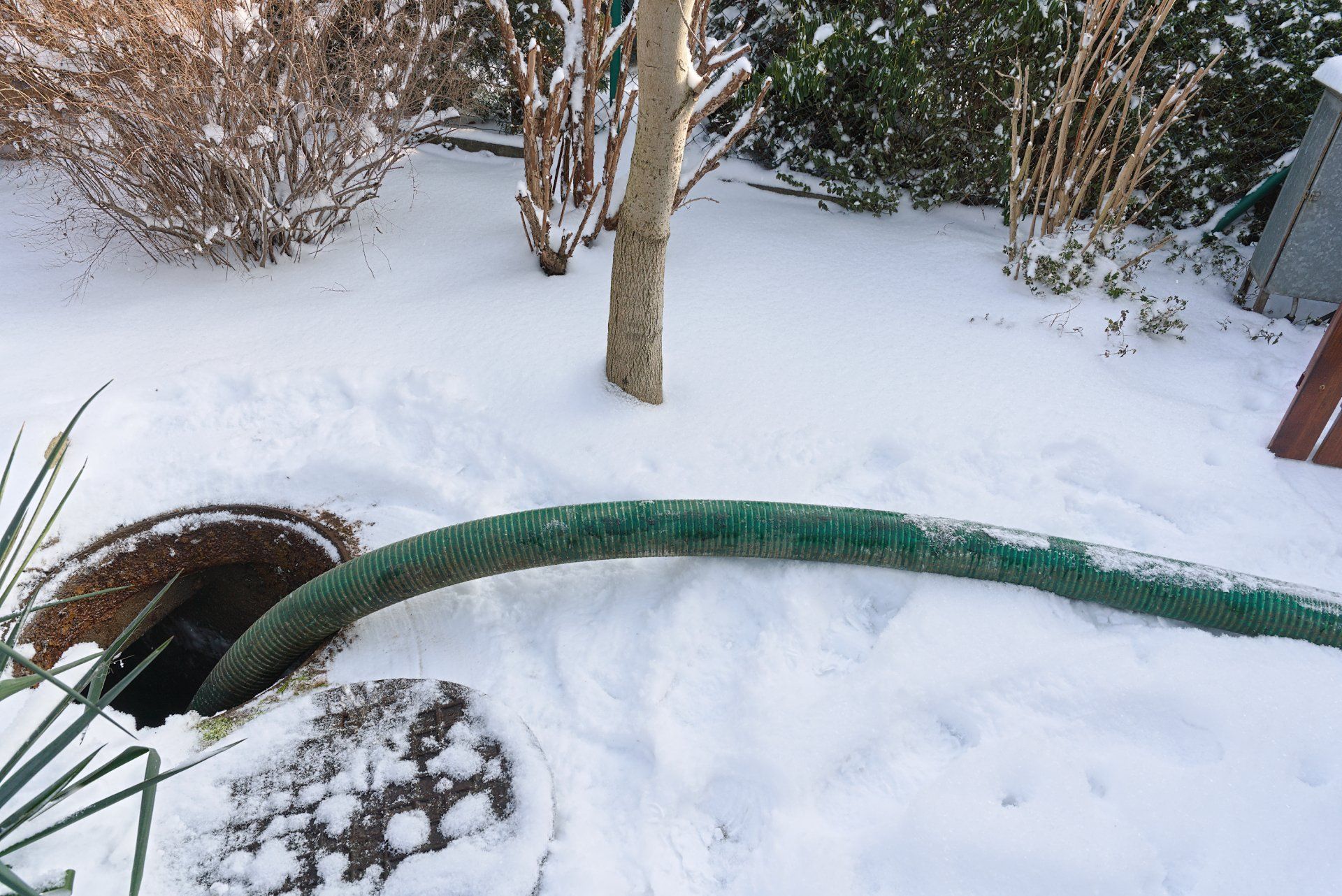
Signs Your System Might Be Chilly
How do you know if your septic system is getting a case of the shivers? There are some tell-tale signs. It’s like your house is trying to tell you something.
The most obvious sign is slow drains. If water isn't going down quickly, it could mean a blockage. This blockage might be ice in the pipes.
You might also hear gurgling sounds from your pipes or toilets. This indicates air struggling to pass through. It’s not a sound you want to hear.
A really strong, unpleasant sewage smell is another red flag. This smell often means sewage isn't draining away properly. It's pooling somewhere it shouldn't be.
Finally, the worst-case scenario: sewage backing up into your home. This is a clear sign of a major blockage. It means immediate attention is needed.
If you notice any of these signs, don't ignore them. Your septic system is crying out for help. It’s important to act quickly.
Prevention is Your Best Friend
The good news is that preventing a frozen septic tank is often quite simple. A little proactive care goes a long way. Think of it as winterizing your underground friend.
First, make sure your pipes have enough cover. Add extra insulation to shallow pipes if needed. Even a layer of straw or hay can help protect them.
Keep the snow cover on your drain field untouched. Snow is a fantastic natural insulator. Don't plow it off or drive over it.
Maintain consistent water use throughout the winter. Regular flow helps prevent water from sitting still. This is especially true if you have a vacation home.
If you have a vacation home, consider having someone run water occasionally. Even flushing a toilet a few times a week can make a difference. It keeps things moving.
Avoid parking heavy vehicles over your drain field or septic lines. This compacts the soil and snow. It removes that precious insulating layer.
Fix any leaks promptly. A leaky faucet or running toilet adds unnecessary water to the system. This extra, slow-moving water increases the risk of freezing.
Get your system inspected regularly. A professional can spot potential problems before they become major issues. They are like a doctor for your septic system.
By following these simple steps, you can greatly reduce the risk of your septic system freezing. It’s all about being a good steward of your underground investment.
What If It Does Freeze?
So, despite your best efforts, disaster strikes, and you suspect a freeze. What should you do? Panic is not on the list!
First and foremost, do not try to thaw it yourself with chemicals or hot water. Adding antifreeze or salt can harm your septic system. It can also pollute the environment.
Resist the urge to start digging blindly. You could damage the pipes further. This is a job for trained professionals.
Your best bet is to call a qualified septic professional. They have the right tools and expertise to safely thaw frozen pipes. They can use steam or other safe methods.
While you wait for help, reduce your water use as much as possible. This prevents further backups into your home. Every drop counts.
A frozen septic system is a serious inconvenience, but it's not the end of the world. With the right help, your system will be back to normal. It will be flowing smoothly again.
The Takeaway: Mostly Chill, Sometimes Chilly
In conclusion, will a septic tank freeze? Generally, the tank itself is quite resilient. It's often well-protected by the earth and continuous use.
However, the pipes leading to and from the tank are the real troublemakers. They are more exposed and prone to freezing. They need a little extra care.
Being aware of the risks and taking preventative measures is key. A little planning can save you a lot of hassle. It can save you from a very unpleasant surprise.
So, rest easy knowing your septic tank is probably doing fine. Just give those connecting pipes a little extra thought. Keep them cozy and warm this winter!
Your underground hero deserves your attention. A happy septic system means a happy home! Stay warm and enjoy the winter season!