
Will A Gas Leak Make You Sick

Alright, let's talk gas. No, not the kind from your burrito – the kind that cooks your dinner and warms your house! We’re diving into a question that pops up more often than you might think: "Will a gas leak make you sick?"
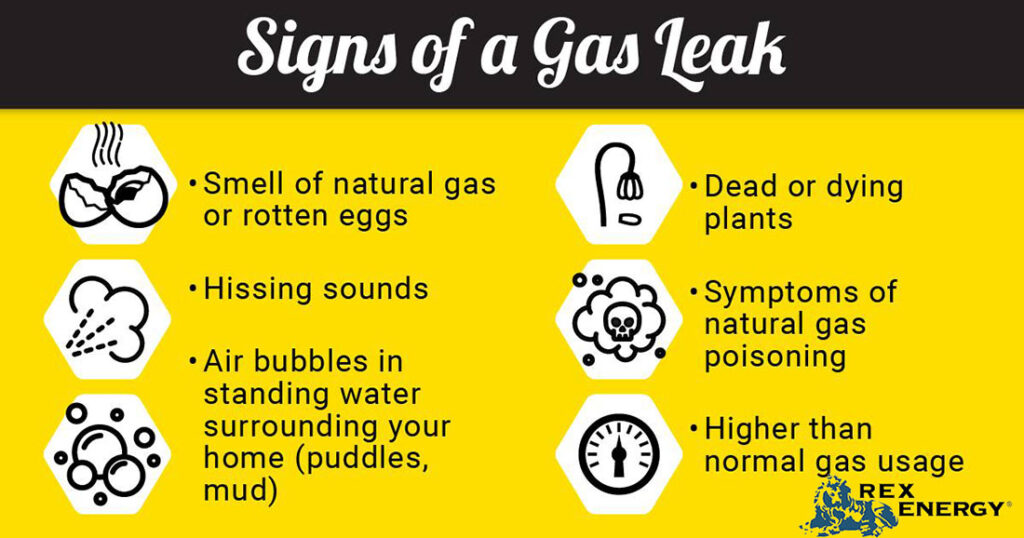
Imagine this: You walk into your kitchen, ready to whip up some delicious scrambled eggs, and... whoa! What's that smell? It's not the leftover pizza, and it's definitely not the cat’s litter box. It’s that distinctive, slightly sulfuric, rotten-egg whiff. Yep, that's often your friendly neighborhood natural gas making an unscheduled appearance.
So, does this unexpected guest have the power to turn your stomach or give you a headache? Let's break it down in a way that’s as easy to digest as those scrambled eggs (once the coast is clear, of course!).
Must Read
The "Rotten Egg" Sniff Test: What Are We Smelling?
First off, let's clarify which gas we're chatting about. We're primarily talking about natural gas, the kind that fuels your stove, furnace, and water heater. In its pure form, natural gas is actually odorless, colorless, and pretty sneaky. But utility companies are clever! They add a special odorant called mercaptan, which gives it that unmistakable, can't-miss-it, rotten-egg stench. It's like a built-in alarm system for your nose!
So, when you smell that tell-tale stink, your nose isn't just being dramatic. It's giving you a heads-up that something's a bit off-kilter.
How Does It Make You Feel "Blah"?
The main way a natural gas leak can make you feel unwell isn't because the gas itself is super toxic to breathe in tiny amounts (like, say, a whiff of poison ivy is to your skin). The bigger concern is actually about what it replaces in the air: oxygen.
Think of your home's air like a party. Oxygen is the life of the party, and everyone needs enough space to dance. If natural gas starts leaking, it’s like an uninvited guest who brings a giant sofa and pushes everyone else out. Suddenly, there’s less room for oxygen, and that’s when your body starts feeling it.
When your brain and body aren't getting enough oxygen, you might experience a few unwelcome symptoms. These can include:

- Headaches: Like a tiny drummer setting up shop behind your eyes.
- Dizziness or Lightheadedness: Feeling a bit wobbly, like you've spun around too many times.
- Nausea or Upset Stomach: That queasy feeling you get on a bumpy car ride.
- Fatigue or Weakness: Suddenly feeling drained, as if you ran a marathon instead of just walking into the kitchen.
- Difficulty Breathing: Your lungs might feel like they're not quite catching enough air.
These symptoms can sneak up on you, often mimicking a bad flu or just a really crummy day. That's why it's so important to be aware!
A Quick Word on Carbon Monoxide: The Silent Snitch
Now, while we’re talking about gas, it's worth mentioning a related troublemaker: carbon monoxide (CO). This isn't the gas itself leaking, but rather a dangerous byproduct of natural gas (or other fuels) that isn't burning completely. Think of it like a messy BBQ grill that isn't quite getting enough air – it produces smoke and soot, right? A faulty furnace or water heater can do something similar, but with an invisible, odorless, and highly toxic gas.
Carbon monoxide is the real sneaky villain because it doesn't have that rotten-egg smell. It's often called the "silent killer" for a reason! Its symptoms are very similar to a natural gas leak (headaches, dizziness, nausea), but it can be far more dangerous, much faster. That's why having a carbon monoxide detector is just as crucial as having a smoke detector. It's your invisible bodyguard!
So, Why Should You Care (In a Fun Way)?
Because being informed is like having a superpower! You’re not just smelling a weird odor; you’re detecting a potential problem that could make you feel cruddy or even put you in harm's way. Ignoring that smell is like ignoring a check engine light in your car – eventually, something more serious might break down!
Think of it this way: your nose is your home's personal detective. When it sniffs out that tell-tale odor, it's not trying to ruin your day, it's trying to save your day!
What to Do When Your Nose Sounds the Alarm (Don't Be a Hero, Be Smart!)
If you ever suspect a natural gas leak (that rotten-egg smell or any of the symptoms above), here's the super-important, not-so-funny-anymore part:

- Don't panic! (But do act quickly.)
- Get out! Immediately evacuate everyone from the building, including pets. Seriously, no trying to "figure it out" or "just grab one more thing."
- Don't use anything that could spark! No light switches, no phones (until you're outside), no matches, no appliances. Even a tiny spark can be a big problem.
- Call for help! Once you are safely outside and a good distance away, call your gas company's emergency number or 911. They're the pros, and they'll handle it.
It's always better to be safe than sorry, even if it turns out to be just a forgotten lunchbox in the back of the fridge. Your health and safety are worth a quick trip outside!
Peace of Mind, One Sniff at a Time
So, yes, a natural gas leak can absolutely make you sick by reducing the oxygen you breathe, and carbon monoxide can be even more dangerous. But the good news is, your nose (and a good CO detector) are fantastic early warning systems!
Regular maintenance of your gas appliances, being aware of those "rotten egg" smells, and having working carbon monoxide detectors are like giving your home a big, protective hug. Stay alert, stay safe, and keep those beautiful lungs full of the good stuff – oxygen!