
Will A Car Battery Recharge If You Let It Sit

Ever wondered if your car battery, that silent workhorse under the hood, can magically recharge itself just by sitting idle? It's a question that pops up for a lot of us, especially when dealing with cars that aren't driven every day. Understanding the answer isn't just trivia; it could save you from a frustrating no-start situation and a potentially costly jump-start or replacement. Think of it as car battery self-care 101! It's fascinating to delve into the inner workings of something we often take for granted, and it empowers us to be more proactive car owners.
The purpose of a car battery is to provide the initial jolt of electricity needed to start the engine. Beyond that, it also supplements the alternator by powering electrical components like lights, radio, and other accessories, particularly when the engine is idling or running at low speeds. A fully charged battery ensures a reliable start, especially in cold weather when engines require more power to crank. The benefits of understanding battery behaviour are numerous: you can anticipate potential problems, avoid being stranded, and potentially extend the lifespan of your battery by practicing good charging habits.
So, can a car battery recharge itself simply by sitting? The short answer is no, not really. While a lead-acid battery (the type commonly found in cars) does experience a very slight, almost imperceptible rebound in voltage after being discharged, this isn’t a true recharge. Imagine it like stretching a rubber band – after being stretched (discharged), it retracts slightly, but it's still not in its original, unstretched state. Similarly, the battery might show a small voltage increase, but it won't regain enough power to reliably start the car.
Must Read
However, the confusion often arises because a healthy charging system (alternator) will recharge the battery while the engine is running. The alternator's job is to replenish the energy used during starting and to maintain the battery's charge while powering the car's electrical systems. So, while sitting won’t recharge the battery, driving (with a functioning alternator) will.
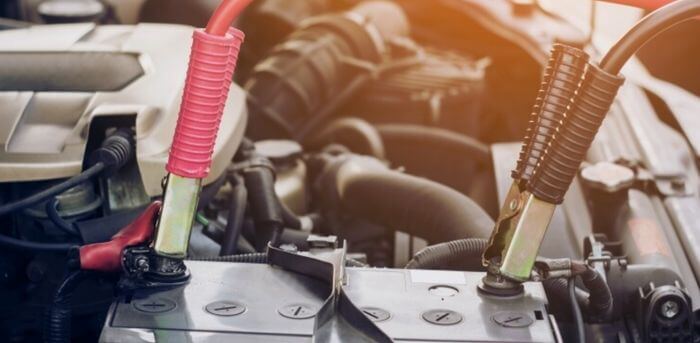
Think about this in daily life: imagine you have a car that sits parked for weeks at a time. The battery slowly discharges due to parasitic drain (the small amount of power drawn by the car's computer, alarm system, etc.). Leaving it sitting won’t fix this; in fact, it will worsen the situation, potentially leading to a completely dead battery. In an educational setting, understanding this concept helps students grasp the fundamentals of electrical circuits, energy storage, and the importance of a functioning charging system in automobiles.
Here are some practical tips to explore this further: Invest in a voltmeter (they're relatively inexpensive) and check your car battery's voltage after it's been sitting overnight. A healthy, fully charged battery should read around 12.6 volts. Then, check it again after a short drive. You should see a slight increase, indicating the alternator is charging the battery. For cars that sit idle for extended periods, consider using a trickle charger or battery maintainer. These devices provide a low, continuous charge to offset parasitic drain and keep the battery topped up. You can also disconnect the negative battery cable to minimize parasitic drain, though this might reset some of your car's settings. Remember, a little knowledge about your car battery can go a long way in preventing future headaches!

![How Long Does It Take To Charge A Car Battery [2023]](https://www.mountshine.com/wp-content/uploads/2023/06/Car-Battery-Recharge-Process.jpg)
